Hollywood has spent decades perfecting the art of making stars seem larger than life. Movie premieres, red carpets, late-night interviews and exclusive parties have traditionally provided the biggest opportunities for celebrities to promote their work while maintaining a certain distance from the audiences who support them. But the entertainment industry is increasingly embracing a different kind of celebrity appearance, one where the audience is not simply watching from behind a barricade. At fan conventions, viewers can attend panels, ask questions, meet performers, collect autographs, take photographs and participate in the culture surrounding their favorite franchises. New York Comic Con’s October 8–11, 2026 event offered a timely example of this evolving relationship, bringing major entertainment properties, recognizable stars, creators and thousands of passionate fans together at Manhattan’s Javits Center. Celebrating its 20th anniversary, the convention emphasized live appearances, exclusive announcements, merchandise, cosplay and shared experiences that audiences cannot fully reproduce through a screen.
The appeal of these gatherings extends far beyond comic books. Film studios, television networks, streaming platforms, publishers, gaming companies and entertainment personalities all have reasons to participate. A convention provides an opportunity to introduce upcoming projects, react to audience enthusiasm, strengthen relationships with existing fans and introduce a new production to people who might otherwise overlook it. For celebrities, these events also offer a different way to present themselves. Instead of appearing briefly on a red carpet before moving into a theater, they can discuss their work, share stories from production and engage with audiences who already have an emotional connection to the characters and worlds they represent. The result is a more participatory form of entertainment promotion, one in which the experience of meeting a star can become as memorable as the announcement that brought the star to the event.
New York Comic Con Makes Fan Culture the Center of Attention
New York Comic Con has developed into a major gathering for popular culture, bringing together comics, television, film, anime, gaming, collectibles and creative communities. Its official 2026 program featured major-stage presentations, first looks at upcoming entertainment, exhibitor experiences, Artist Alley, cosplay activities and opportunities to meet performers and creators. The convention’s anniversary programming also highlighted two decades of fandom, reflecting how an event originally associated with comics now operates across a much broader entertainment landscape.
That breadth is important because modern fandom rarely fits into a single category. Someone attending for a favorite science-fiction series might also be interested in an upcoming horror film, a video game announcement, an anime panel or an artist selling original illustrations. A visitor drawn by a celebrity appearance might leave with a new comic series, collectible or creative interest. The convention creates an environment where different forms of entertainment can reinforce one another rather than compete for attention.
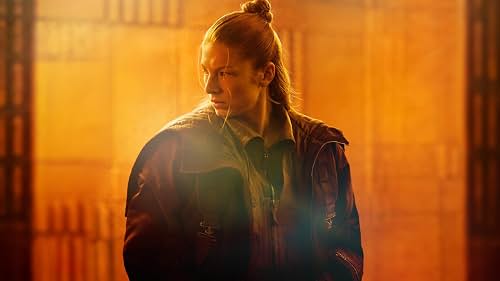
The celebrity presence was especially visible during the October event. Coverage highlighted appearances from performers including Hunter Schafer, Michelle Yeoh, Catherine Zeta-Jones, Nicolas Cage, Tom Welling, Sarah Paulson and Emma Thompson, among others. Schafer and Yeoh appeared in connection with the upcoming Prime Video series Blade Runner 2099, while Zeta-Jones promoted Kill Jackie. The program also featured reunions, television presentations and conversations tied to recognizable franchises.
These appearances demonstrate why conventions have become useful promotional settings. The attraction is not merely that a celebrity is present. The attraction is the connection between the celebrity, the project being promoted and the fans who have a reason to care. A panel about an upcoming science-fiction series can introduce viewers to its cast, provide context about the production and generate discussion before the show reaches a wider audience. A reunion can bring longtime fans back into a franchise’s orbit. A preview can give attendees a sense that they are participating in an entertainment moment before it becomes part of the broader news cycle.
The Celebrity Appearance Has Become an Experience
A traditional red-carpet appearance is designed around visibility. Photographers capture an outfit, reporters ask a few questions and the resulting images circulate through entertainment media. Conventions offer a different structure. A celebrity can spend an extended period discussing a project, responding to audience questions or participating in a presentation built around a specific fandom.
That distinction changes the relationship between performer and audience. A fan who has watched a television series for years may be interested in hearing how a character was developed, what a difficult scene required or how the cast approached a particular storyline. Someone who follows a film franchise may want to learn about the creative decisions behind a costume, production design or special effect. The answers can make familiar entertainment feel more personal.
The value of these interactions is not limited to what is revealed. Even when a panel contains few major announcements, the opportunity to hear a performer speak directly about a beloved project can become an event in itself. Fans may remember a joke, a thoughtful answer or an unexpected exchange long after the convention has ended. That memory can become part of their relationship with the franchise.
Conventions also give celebrities more room to demonstrate personality outside the formal expectations of a premiere. They can be enthusiastic fans themselves, discuss the influence of earlier films or comics, and acknowledge the creative communities that helped sustain their careers. The format does not eliminate the promotional purpose, but it can make that purpose feel more reciprocal.
For Hollywood, this is a valuable distinction. Audiences are not simply receiving information about a project. They are participating in an environment where the project has a community around it.
Why Studios Want to Meet Fans Face-to-Face
Entertainment marketing has become increasingly fragmented. Audiences discover projects through streaming platforms, social media, trailers, entertainment websites, podcasts, video essays, online communities and recommendations from friends. A single advertising campaign must compete with an enormous volume of other content, and a trailer can disappear from a person’s attention almost as quickly as it appears.
A convention provides a concentrated opportunity to reach people who have already demonstrated an interest in entertainment. Attendees have made time for the event, planned their schedules and often traveled specifically to see certain performers, creators or franchises. For studios, that creates a setting where promotional messages can reach an engaged audience rather than relying entirely on passive exposure.
The official NYCC program illustrates how this works. Its 2026 schedule included previews, stage presentations, celebrity appearances, exclusive merchandise and entertainment reveals. Hasbro also announced product reveals, convention exclusives, panels and hands-on experiences connected to brands including Transformers, G.I. Joe and Magic: The Gathering. These activities combine promotion with participation, giving visitors something to experience rather than simply an advertisement to watch.
This approach can be particularly useful for franchises with established communities. Fans who already understand a fictional universe may be eager to see new footage, learn about an upcoming installment or hear from the people creating it. Their reactions can also provide a visible indication of interest, although the enthusiasm of convention attendees should not automatically be treated as representative of the entire viewing public.
A convention audience is often self-selecting. People who spend money and time attending a fan event are likely to have stronger interests in at least some of its featured entertainment than the average consumer. Studios can learn from these interactions, but they must still consider how a project will appeal to people outside the convention hall.
The Power of Exclusivity
One of the strongest attractions of conventions is the possibility of seeing something before the wider public. Exclusive footage, first-look presentations, special panels and limited-edition merchandise can make attendance feel distinctive. The official NYCC 2026 schedule promoted early looks at upcoming entertainment and special programming throughout the four-day event.
Exclusivity changes the way promotional content travels. An attendee might enter a panel to watch a preview, then share a reaction online. A journalist may report a casting announcement. A creator might post a video explaining why a particular reveal matters. Other fans can then encounter the news through social media and entertainment coverage, even if they were not present.
This creates a relationship between the physical event and the digital conversation surrounding it. The convention becomes the starting point for content that can circulate far beyond the venue. A moment intended for a room full of fans can become a widely discussed topic within hours, depending on its news value and how readily audiences share it.
There is a delicate balance, however. Too much of a presentation can be revealed immediately, reducing the sense of discovery for people who attend in person. Too little information can leave attendees feeling that the event did not deliver on its promises. Studios and event organizers must decide which moments should be available to everyone and which should remain special to the people who are there.
When handled well, exclusivity rewards attendance while allowing the larger audience to participate in the excitement afterward.
Fans Are No Longer Just Spectators
The convention experience is built around the idea that fandom involves more than consuming a finished product. Fans interpret stories, create art, develop theories, design costumes, collect objects, organize communities and share their enthusiasm with other people. Conventions make those activities visible.
Cosplay is one of the clearest examples. Attendees transform themselves into characters from films, television, comics, games and anime, often spending considerable time designing, constructing and refining their costumes. At NYCC, Cosplay Central and community meetups formed part of the official event experience.
These participants are not simply advertising a franchise on behalf of a studio. They are contributing their own creativity to a shared cultural space. A costume may reinterpret a character, combine references from different versions of a story or demonstrate craftsmanship that goes far beyond what is required to attend an event. Other fans can appreciate the work, exchange techniques and form connections through a shared interest.
The same principle applies to fan art, independent publishing, collectibles and discussions about fictional worlds. Artist Alley, for example, gives artists and creators a space to present and sell original work, making the convention relevant to people who contribute to popular culture rather than only consume commercially released entertainment.
This community element helps explain why conventions can remain meaningful between major releases. A television series might not have a new season available, and a film franchise might be several years away from its next installment, but the audience can continue discussing, collecting, creating and meeting other fans. The community becomes part of the ongoing experience.
Streaming Has Not Eliminated the Value of Live Events
Streaming has changed how audiences discover and watch entertainment, but it has not removed the appeal of being physically present with other people who share the same interests. In some ways, the abundance of digital content makes distinctive live experiences more valuable.
A streaming service can provide immediate access to a television episode. A social platform can deliver interviews and behind-the-scenes footage. A video call can connect people across continents. But these options do not reproduce the full atmosphere of a crowded panel, a cosplay gathering or a room reacting together to an unexpected announcement.
NYCC’s 2026 program acknowledged the importance of reaching audiences beyond the venue as well. The convention offered official livestreams of selected Main Stage and Empire Stage programming, alongside interviews and coverage from the show floor. This format allowed people who could not attend in person to follow some of the event’s major moments.
The combination of in-person attendance and online distribution is significant. Live events can create an immediate sense of community, while livestreams and social coverage expand the audience for selected content. Studios and event organizers can connect with people who attend the convention, viewers watching remotely and fans who encounter clips or reports afterward.
However, the two experiences are not identical. A livestream may provide access to a panel, but it cannot reproduce every aspect of walking through the show floor, discovering an independent artist or talking with fellow fans in a queue. The distinction gives in-person attendance a value that cannot be measured solely by the number of viewers watching a stream.
The Business of Being Seen by the Right Audience
Celebrity appearances and convention panels also operate within a commercial environment. Studios invest in promotion because they want their projects to reach audiences, while conventions attract visitors through the promise of memorable experiences. Merchandise, ticket sales, photo opportunities, autograph sessions, exhibitor booths and branded activities all contribute to the broader event economy.
For performers, appearances can support a new film or series, maintain visibility between projects and strengthen relationships with established fan communities. For studios, an appearance may help introduce a new character, renew interest in an older franchise or demonstrate that a project has a recognizable creative team behind it.
The value is not always captured by immediate ticket sales or streaming figures. A convention appearance may generate news coverage, introduce a title to potential viewers or encourage existing fans to pay attention to a future release. Measuring the effect requires looking beyond the event itself and considering how audiences respond over time.
There are also limits. A popular panel does not guarantee that a television series will attract a large audience, and a celebrity appearance cannot compensate for a project that fails to meet expectations. Convention attendees are not a perfect representation of the wider market, and online enthusiasm does not always translate into purchases or viewing.
The most effective promotional strategies recognize these limitations. They treat conventions as one part of a broader relationship with audiences, combining live appearances with clear communication, useful previews and continued engagement after the event ends.
The Pressure to Deliver Something Memorable
As conventions become more visible in entertainment marketing, expectations rise. Fans may travel long distances, spend significant money and organize entire weekends around a particular panel or appearance. They want the experience to justify that investment.
That places pressure on organizers and studios to offer more than a celebrity standing onstage and repeating familiar promotional talking points. A successful presentation might provide a meaningful conversation, a compelling preview, a behind-the-scenes explanation or a surprise that rewards the audience’s attention.
The challenge is that not every production has major news to announce, and not every performer can share confidential details about upcoming work. Studios must find ways to create value without revealing information that is not ready for release or promising more than a project can deliver.
Fans also bring their own expectations, which may differ from a studio’s marketing priorities. They might want questions answered about a previous season when the panel is focused on a new project. They might be more interested in a character’s development than in the next promotional milestone. Their enthusiasm can make a presentation lively, but it can also expose the distance between what a company wants to communicate and what its audience most wants to know.
That is not necessarily a problem. It is part of what makes live engagement useful. The conversation reveals that audiences have interests and priorities that cannot always be reduced to a promotional plan.
What Hollywood’s Convention Era Means for Celebrity Culture
The growing visibility of fan conventions reflects a broader change in how celebrity relationships are experienced. A traditional premiere emphasizes spectacle and distance. A convention can offer spectacle too, but it also creates opportunities for conversation, shared enthusiasm and community participation.
That does not mean celebrities are becoming completely accessible. Autograph sessions, photo opportunities and panels operate within schedules, rules and commercial arrangements. Performers still have boundaries, and not every fan will have an opportunity to interact with a particular star. The experience is curated rather than unrestricted.
Nevertheless, the setting can make the relationship feel different. Instead of seeing an actor primarily through a role, a fan may hear the actor explain what the character means to them, discuss a challenging scene or describe the experience of working with a particular director. These details can add context to the performance and deepen a viewer’s appreciation of the work.
The convention also changes the way celebrity appearances are framed in entertainment coverage. Fashion moments, funny exchanges, emotional reunions and unexpected announcements can become stories in their own right. At NYCC 2026, the combination of celebrity appearances, franchise presentations and fan activity created multiple points of interest for entertainment outlets covering the event.
Celebrity culture, in this setting, is not only about who appears. It is about what the appearance means to a particular audience and how the moment becomes part of a shared conversation.
The Fans Have Become Part of the Show
The most important feature of Hollywood’s convention era may be the recognition that audiences are not simply waiting for the next release. They are actively participating in the culture surrounding it.
They create costumes, debate storylines, support artists, collect memorabilia, develop communities and share their experiences online. They can help an older franchise remain relevant or introduce a new property to people who were previously unfamiliar with it. Their enthusiasm is not a substitute for strong creative work, but it can help sustain the environment in which entertainment is discovered and discussed.
New York Comic Con’s 20th-anniversary event offered a clear illustration of that relationship. Its combination of celebrity appearances, exclusive previews, creator spaces, cosplay and live programming treated fandom as a central part of the event rather than an audience waiting at the edges.
For Hollywood, this creates both an opportunity and a responsibility. Studios can use conventions to build awareness, strengthen relationships and make upcoming projects feel more immediate. But fans also expect to be treated as participants whose time, enthusiasm and knowledge deserve respect. A promotional appearance that ignores those expectations risks feeling transactional. One that provides a meaningful experience can become part of the story people tell about the project itself.
The convention era is not necessarily replacing red carpets, premieres or traditional publicity. It is expanding the ways entertainment companies can connect with audiences. A red carpet offers visibility. An interview offers explanation. A convention can offer something more communal: the opportunity to experience a story alongside the people who care about it.
And that is why the fans increasingly become the main event. The celebrity may draw the crowd, but the collective enthusiasm, creativity and participation of the audience give the gathering its identity. In a media environment where almost every trailer, interview and announcement can be watched online, the most memorable experience may be the one that makes people feel they were genuinely part of something.
For Hollywood, that feeling is difficult to manufacture through advertising alone. It has to be created through the experience itself. As fan conventions continue to bring performers, creators and audiences together, their significance will depend not simply on the number of stars appearing onstage, but on whether the people in the room leave with a stronger connection to the entertainment they love.
References
- New York Comic Con — Official 2026 event information and programming
- New York Comic Con — 2026 livestream schedule and coverage
- Hasbro — New York Comic Con 2026 announcements, exclusives and fan experiences
- Vogue — Hunter Schafer’s Prada look at New York Comic Con
- People — Celebrity appearances and photos from New York Comic Con and other October events
- Vulture — The biggest takeaways from BlumFest 2026 at NYCC
- ViceInsider.com — Entertainment news and celebrity culture