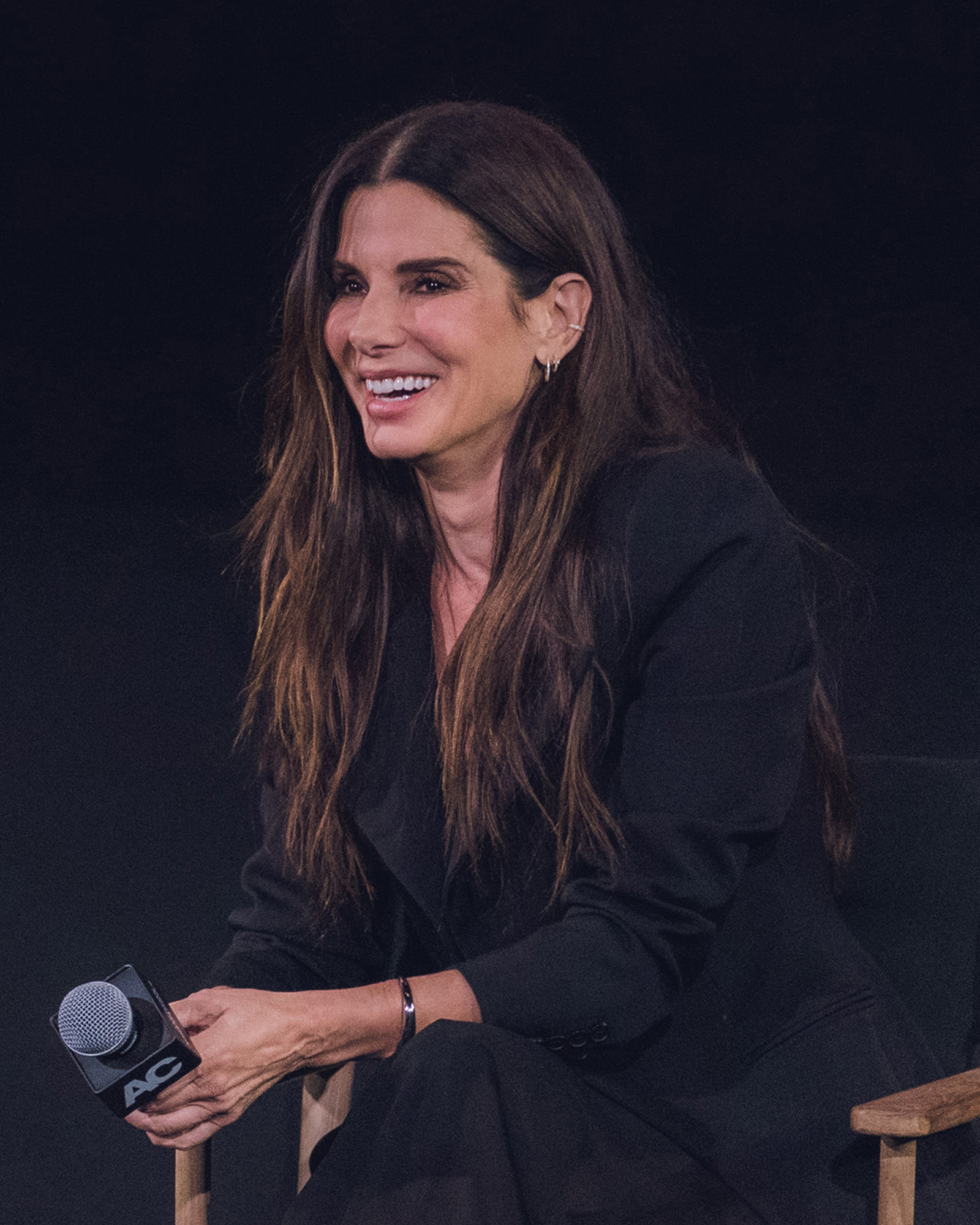
Hollywood has always evolved through generations. Every era introduces a new group of actors who redefine what it means to be a movie star, capturing audiences with fresh perspectives, distinctive performances, and cultural relevance. Today, the industry is entering another major transition. Rather than chasing short-lived viral fame, studios are increasingly investing in actors who can build loyal audiences and sustain successful careers over many years.
This generational shift comes at a time when the entertainment landscape is changing rapidly. Streaming platforms, global distribution, and social media have transformed how audiences discover talent. A breakout performance can now reach millions of viewers worldwide overnight, but maintaining that attention requires far more than a viral moment. Studios are looking beyond internet popularity to identify performers who consistently deliver strong performances and cultivate lasting relationships with audiences.
One reason for this shift is the changing economics of filmmaking. Major productions often require years of planning and hundreds of millions of dollars in investment. For studios, choosing the right lead actor has become a strategic decision that extends beyond opening-weekend box office numbers. They increasingly value performers who can carry multiple projects, appeal to international audiences, and grow alongside long-running franchises or original film series.
Today’s emerging stars are also expected to be more versatile than previous generations. Success is no longer measured only by blockbuster films. Actors now move fluidly between theatrical releases, prestige television, streaming series, voice acting, independent cinema, and even producing their own projects. This versatility allows them to remain visible while continuously developing their craft.
Actors such as Paul Mescal, Florence Pugh, and Glen Powell represent this new generation of Hollywood talent. Each has steadily built a reputation through diverse performances rather than relying solely on internet trends. Their careers demonstrate how consistent work, critical acclaim, and audience trust can create lasting momentum.
Authenticity has become another defining characteristic of modern stardom. Audiences increasingly appreciate actors who appear approachable and genuine rather than carefully manufactured. While social media remains an important communication tool, many successful performers use it selectively, allowing their work to remain the primary focus instead of constant online visibility.
The globalization of entertainment has also influenced casting decisions. Streaming services release films and television shows simultaneously across dozens of countries, creating worldwide fan communities almost instantly. As a result, studios seek actors who resonate across cultures and can connect with diverse international audiences. Charisma, adaptability, and universal storytelling appeal are often considered just as valuable as traditional celebrity status.
Original storytelling is also contributing to this generational change. After years dominated by established franchises and familiar intellectual property, audiences have shown renewed interest in original films featuring emerging talent. This gives newer actors opportunities to become closely associated with fresh stories rather than inheriting characters already defined by previous generations.
Training and preparation continue to matter as well. Many rising actors spend years refining their skills through theater, independent productions, and supporting roles before becoming household names. This gradual development often results in stronger performances and longer careers than rapid fame achieved through a single viral success.
Another notable trend is the increasing importance of collaboration. Modern actors frequently work with acclaimed directors, writers, and producers across multiple projects, building creative partnerships that strengthen both artistic growth and industry reputation. These relationships often become more valuable than short-term publicity.
Technology has changed audience engagement, but it has not replaced the importance of talent. While online platforms can introduce new performers to millions of viewers, lasting careers are still built on compelling performances, professionalism, and consistency. Viral moments may generate immediate attention, but enduring success comes from repeatedly earning audience trust.
Industry analysts also note that younger viewers are discovering actors differently than previous generations. Instead of following traditional movie stars through magazine covers and television interviews, audiences now encounter performers through streaming recommendations, social clips, and online discussions. This broader exposure creates opportunities for actors whose work resonates organically rather than through large promotional campaigns.
Ultimately, Hollywood’s newest generation is being defined less by instant fame and more by sustainable careers. Studios are recognizing that long-term audience loyalty offers greater value than temporary internet attention. The actors emerging today are building reputations through versatility, authenticity, and consistent performances that encourage viewers to follow their careers from one project to the next.
The next generation of Hollywood is not waiting in the wings—it is already leading major productions, redefining modern stardom, and shaping what the future of entertainment will look like.