Beauty trends move quickly. One month, everyone is talking about a new skincare ingredient, and the next, a completely different product becomes the must-have addition to your bathroom shelf. Social media has made it easier than ever to discover new beauty products, but it has also made it harder to know what is genuinely worth trying and what is simply clever marketing.
In 2026, the beauty conversation is shifting toward smarter routines, healthier skin, multifunctional products, and ingredients with a stronger foundation in cosmetic science. Instead of using ten or fifteen products simply because they are trending, many beauty enthusiasts are becoming more selective about what they put on their skin. Barrier care, peptides, gentle formulas, sunscreen, targeted treatments, and lightweight makeup are all having a major moment.
At the same time, some beauty habits are losing their appeal. Complicated routines, aggressive exfoliation, excessive product layering, and viral hacks without reliable evidence are increasingly being questioned. The new definition of a great beauty routine is not necessarily having more products. It is having the right products and using them consistently.
So what is actually hot in beauty right now, and what is better left behind? From skincare ingredients to makeup trends and beauty gadgets, here is the beauty hot or not list worth knowing.
HOT: Barrier-Focused Skincare
Healthy skin is officially having a bigger moment than complicated skincare. One of the strongest beauty trends of 2026 is the focus on maintaining and supporting the skin barrier.
The skin barrier helps protect the skin from environmental stressors and helps prevent excessive moisture loss. When it becomes irritated or compromised, skin can feel dry, tight, sensitive, or uncomfortable. That is why modern skincare routines are increasingly focused on hydration, gentle cleansing, and barrier-supporting ingredients rather than constantly trying to exfoliate or aggressively treat every perceived imperfection.
Ceramides, niacinamide, peptides, glycerin, and other hydrating ingredients are receiving increased attention because they can fit into a more balanced approach to skincare. Current beauty coverage also highlights a growing preference for formulas that combine effective ingredients with gentler delivery systems.
The appeal is simple. Healthy-looking skin is easier to maintain when the foundation of the routine is strong.
NOT: Complicated Skincare Routines Just for the Sake of More Steps
There was a time when having a long skincare routine seemed like the ultimate sign of dedication. Cleansers, toners, essences, multiple serums, exfoliants, masks, oils, sleeping packs, and several creams could all end up being used in one routine.
But more products do not automatically mean better skin.
Dermatology guidance increasingly emphasizes simplifying routines and avoiding unnecessary irritation. Using too many active ingredients at once can make it difficult to determine which product is helping and which one might be causing irritation. Excessive exfoliation can also be especially problematic for people with sensitive skin.
A simple routine consisting of a gentle cleanser, appropriate treatment products, moisturizer, and sunscreen can be more practical than a complicated routine that you cannot consistently maintain.
HOT: Peptides Are Having Their Moment
Peptides are not completely new, but they are becoming increasingly prominent in modern skincare. In 2026, beauty experts are paying more attention to sophisticated peptide formulas and their potential role in supporting healthier-looking, firmer skin.
Peptides are short chains of amino acids that are used in skincare formulations for different purposes. Depending on the type and formulation, peptide products may be designed to support the appearance of firmness, smoothness, and overall skin quality.
The important point is not to treat peptides as a miracle ingredient. Like most skincare ingredients, results depend on the specific formulation, concentration, consistency of use, and individual skin needs.
The growing interest in peptides is part of a broader shift toward science-backed beauty rather than chasing a new ingredient simply because it is viral. Current 2026 skincare coverage places peptides alongside other established ingredients while emphasizing better formulations and more targeted approaches.
HOT: Retinol, Vitamin C and Niacinamide
Some beauty trends come and go, but certain ingredients remain popular because they have established places in skincare.
Retinol continues to be widely used in routines focused on signs of aging and uneven texture. Vitamin C remains popular for antioxidant and brightening-focused skincare, while niacinamide is valued for its versatility and compatibility with many routines.
The important trend is not simply using these ingredients because everyone else is. It is learning how to introduce them appropriately and understanding that more is not necessarily better.
For example, someone who is new to retinol may benefit from starting slowly rather than applying a strong formula every night immediately. People with sensitive skin may also need to be especially careful about combining several active ingredients.
Beauty is becoming less about collecting powerful ingredients and more about understanding how they fit together.
NOT: Aggressive Exfoliation
Scrubs, acids, exfoliating pads, peeling products, and other resurfacing treatments can have a place in a beauty routine, but aggressive exfoliation is becoming one of the habits worth reconsidering.
The idea that you need to constantly remove dead skin cells to achieve smooth skin can encourage people to exfoliate more often than their skin can tolerate.
Current dermatology advice increasingly favors moderation. A healthy skin barrier should not have to be sacrificed for the temporary feeling of ultra-smooth skin.
If your skin is constantly feeling irritated, dry, burning, or unusually sensitive, adding another exfoliating product may not be the answer. Sometimes the better beauty move is to simplify.
HOT: Skin-First Makeup
Makeup is becoming less about covering every detail and more about creating a healthy, polished appearance.
Lightweight skin tints, sheer foundations, cream blushes, hydrating lip products, and natural-looking complexion products are particularly appealing because they allow the skin to remain part of the look.
This does not mean full-coverage makeup is no longer fashionable. It simply means that beauty has become more flexible. Instead of following one universal makeup style, people are choosing finishes based on their skin type, lifestyle, and personal preferences.
For mature skin in particular, beauty experts are emphasizing lighter formulas and more strategic application rather than automatically applying heavy foundation and powder everywhere.
The result is makeup that looks more like skin and less like a mask.
HOT: Blush Is Back in a Big Way
Blush continues to be one of the easiest ways to update a makeup routine.
In fall 2026 beauty coverage, blush is being applied in fresh and slightly unexpected ways, including lower cheek placement and softer powder formulas that create a healthy, youthful appearance.
The modern approach to blush is less about creating a perfectly sculpted face and more about bringing life back into the complexion.
Cream blush remains useful for a dewy finish, while powder blush can provide longer wear and a softly diffused effect. The best choice depends on your skin type and the overall finish you want.
HOT: Soft, Expressive Makeup
Beauty in 2026 is not completely minimalist. There is also plenty of room for creativity.
Soft brown eyeshadow, cool-toned lips, glossy finishes, colorful eyeshadow, and unconventional mascara choices are all part of the current conversation. Rather than one dominant makeup look, beauty is becoming more individualistic.
Recent fall beauty forecasts include soft taupe and brown eye looks, cool-toned lips, diffused cheeks, softly blurred skin, and more experimental lash combinations.
The key difference is that these trends are being interpreted in wearable ways. You can experiment with a berry lip without creating a dramatic full-face look, or try a colorful eyeshadow while keeping the rest of your makeup simple.
NOT: Buying Every Viral Beauty Product
TikTok and Instagram can be fantastic sources of inspiration, but viral does not automatically mean effective.
A product can become popular because of attractive packaging, celebrity promotion, satisfying application videos, or a dramatic before-and-after. None of those things automatically prove that it will work for your skin.
Before buying a trending beauty product, consider the ingredients, your skin type, how you will actually use it, and whether it duplicates something you already own.
A beauty shelf full of half-used products is not necessarily a sign of a great routine. Sometimes it is evidence that the marketing worked better than the product fit.
HOT: Multifunctional Beauty Products
Multifunctional products make sense for modern lifestyles. A moisturizer that provides additional skin-supporting benefits, a makeup product that combines complexion coverage with skincare ingredients, or a lip product that provides color and hydration can reduce the number of products needed in a routine.
This trend reflects the larger movement toward simplified beauty. Consumers want products that work hard without requiring complicated routines.
The rise of multifunctional formulas is also connected to advances in cosmetic formulation, with brands increasingly combining multiple benefits into individual products.
For busy mornings, travel, gym bags, and minimalist routines, this approach can be especially practical.
HOT: Beauty That Extends Beyond the Face
Beauty is no longer limited to skincare and makeup. Haircare, scalp care, body care, recovery, and wellness are increasingly being treated as part of a complete beauty lifestyle.
Scalp care has become especially important as consumers recognize that healthy-looking hair starts with taking care of the scalp. Body care is also becoming more sophisticated, with people paying more attention to hydration, exfoliation, texture, and overall skin health beyond the face.
Wellness-focused beauty products are also becoming popular because consumers are looking for ways to combine personal care with relaxation and recovery.
For example, products designed to support relaxation after a long day can fit naturally into a broader self-care routine. The FIT KING Leg Compression Massager for Circulation & Pain Relief with 3 Timers is one example of a wellness-oriented product that can complement an at-home relaxation routine.
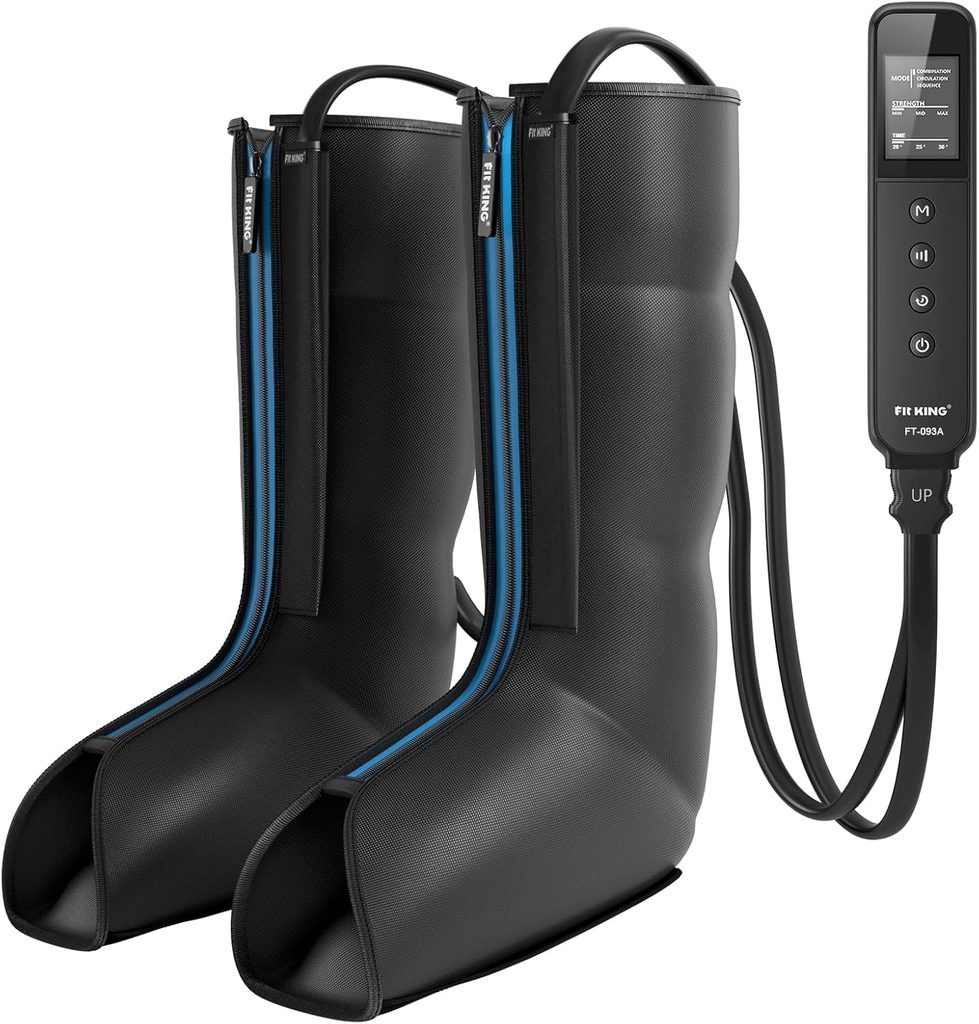
The important distinction is that beauty and wellness products should be viewed realistically. A massager can be part of relaxation and self-care, but it should not be treated as a substitute for medical care when someone has an underlying health concern.
NOT: Beauty Products That Promise Instant Transformation
One of the biggest beauty marketing problems is the promise of instant results.
Real skincare generally takes consistency. Hydration can sometimes improve the appearance of skin quickly, but concerns such as uneven pigmentation, fine lines, texture, and signs of aging often require longer-term routines.
Be skeptical of products that promise dramatic transformations overnight.
The best beauty products are not necessarily the ones making the loudest claims. They are the ones with sensible formulations, realistic expectations, and a routine you can actually maintain.
HOT: Choosing Products Based on Your Skin, Not the Internet
Personalization may be one of the most important beauty trends of all.
Your favorite influencer’s skincare routine may not be right for you. Your friend’s favorite foundation may not suit your skin type. A product that works beautifully for dry skin may feel completely different on oily skin.
Instead of asking, “What is everyone buying?” a better question is, “What does my skin actually need?”
That shift can save money and reduce unnecessary experimentation.
If your skin is dry, hydration and barrier support may be priorities. If your skin is oily, lightweight textures may feel more comfortable. If you have sensitive skin, minimizing potential irritants may be more important than adding another active ingredient.
There is no universal beauty routine.
The Beauty Trends Worth Watching
The biggest beauty lesson of 2026 may be that effective beauty does not have to be complicated.
The hottest trends are moving toward healthier-looking skin, better formulations, targeted ingredients, lightweight makeup, multifunctional products, personalized routines, and beauty experiences that support overall well-being.
At the same time, some of the habits worth leaving behind include excessive exfoliation, unnecessary product layering, blindly following viral hacks, and buying products simply because they are trending.
Peptides, ceramides, niacinamide, retinol, vitamin C, and other established ingredients continue to have a place in beauty, but the focus is increasingly on how products are formulated and how they fit into an individual’s routine.
The modern beauty consumer is becoming more selective. Instead of wanting the biggest collection of products, people are looking for products that make sense for their skin, lifestyle, and goals.
Final Thoughts
What is hot in beauty is not always about discovering something completely new. Sometimes the smartest trend is returning to the basics and doing them better.
Healthy skin, thoughtful product choices, consistent sun protection, appropriate active ingredients, hydration, and makeup that enhances rather than completely disguises the complexion are all strong foundations for a modern beauty routine.
The beauty industry will always introduce something new, and that is part of the fun. There is nothing wrong with experimenting with a new blush color, trying a peptide serum, testing a new lip finish, or discovering an innovative beauty tool.
The key is knowing the difference between a trend that genuinely adds value and one that simply adds another product to your shelf.
In 2026, the beauty winners are the products and habits that make sense, feel good to use, and fit into real life. The hottest beauty routine is not necessarily the longest one. It is the one you can understand, enjoy, and consistently maintain.