
Wellness has become a major part of modern life, with new products promising better sleep, improved digestion, glowing skin, increased energy, and a more balanced lifestyle. From high-tech relaxation gadgets and oversized water bottles to probiotic supplements and elaborate self-care routines, there is no shortage of products claiming to make everyday life healthier. Some are genuinely useful, while others rely more on attractive packaging and persuasive marketing than convincing evidence.
The challenge is knowing which wellness trends deserve your attention and which ones are better left on the shelf. A product can look impressive on social media without delivering meaningful benefits, and a simple, affordable habit can sometimes do more for your well-being than an expensive gadget. That does not mean every trending product is a waste of money. It means consumers should look beyond the hype and understand what a product actually does, what evidence supports it, and whether it fits their individual needs.
In this Wellness Files review, we are putting popular wellness trends under the microscope. From hydration accessories and relaxation tools to gut health supplements and everyday self-care essentials, here is what may be worth trying, what deserves a closer look, and what you should know before spending your money.
1. Smart Water Bottles and Hydration Accessories: HOT or NOT?
Staying hydrated is an important part of everyday health, but remembering to drink water throughout a busy day can be surprisingly difficult. That is one reason reusable water bottles, insulated tumblers, and smart hydration reminders have become popular wellness accessories.
A good reusable water bottle can make hydration more convenient. It allows you to carry water to work, the gym, school, or while traveling. Insulated bottles can help maintain beverage temperature, while bottles with measurement markings make it easier to estimate how much you have consumed. Some smart bottles even offer reminders through lights, sounds, or connected applications.
The real benefit, however, is convenience rather than a special health effect. You do not necessarily need an expensive electronic bottle to stay hydrated. A basic reusable bottle that is easy to clean, comfortable to carry, and large enough for your routine may be equally useful.
Smart hydration devices can also encourage unnecessary spending if their features do not match your needs. People who already drink water regularly may gain little from constant reminders, while those who dislike charging additional gadgets may prefer a simpler option.
HOT: Reusable bottles, easy-to-clean tumblers, and practical hydration reminders that help you maintain a routine.
NOT: Expensive bottles marketed as essential for health when their main functions are already available in an ordinary water bottle.
2. Sleep Gadgets and Relaxation Products: Do They Actually Help?
Better sleep is one of the most popular wellness goals, and the market offers countless products promising more restful nights. White-noise machines, sleep masks, weighted blankets, sunrise alarm clocks, and relaxation devices are designed to make bedtime more comfortable or support a consistent sleep routine.
Some of these products can be genuinely useful. A comfortable sleep mask may block unwanted light, while a white-noise machine can help mask distracting background sounds. A sunrise alarm clock may offer a gentler way to wake up, especially for people who dislike sudden alarms.
However, results depend on the individual. A weighted blanket may feel comforting to one person but uncomfortable to another. A sleep tracker can provide interesting information about sleep patterns, but its estimates are not the same as a clinical sleep assessment. Constantly checking sleep scores can also make some people more anxious about whether they are getting enough rest.
Before purchasing a sleep gadget, consider the basics. Maintaining a regular bedtime, creating a comfortable sleeping environment, reducing disruptive light, and limiting late-day caffeine may be more useful than adding another device to your nightstand.
HOT: Comfortable sleep masks, practical sound machines, and products that address a specific problem in your sleeping environment.
NOT: Devices promising perfect sleep or guaranteed recovery without reliable evidence to support those claims.
3. Probiotic Supplements and Gut Health: Useful Support or Marketing Hype?
Gut health has become a major wellness topic, with consumers paying more attention to digestion, dietary habits, and the microorganisms living in the digestive tract. Probiotic supplements are part of this conversation because they contain microorganisms that may provide health benefits in specific circumstances.
However, not every probiotic works in the same way. Different strains and formulations have been studied for different purposes, and evidence supporting one product cannot automatically be applied to every supplement. The National Center for Complementary and Integrative Health explains that some probiotics have shown benefits for particular conditions, but strong evidence is lacking for many other proposed uses.
This distinction is especially important when evaluating products that advertise extremely high colony-forming unit counts, multiple probiotic strains, or ingredients associated with emerging microbiome research. A large number on the label does not, by itself, establish that a supplement will produce better results.
One ingredient receiving research attention is Akkermansia muciniphila, a bacterium naturally found in the human gut. Early studies have explored its potential relationship with metabolic health, but the evidence remains developing, and researchers continue to investigate how different formulations affect people. Findings from research on a specific preparation should not be treated as proof that every supplement containing or promoting Akkermansia delivers the same benefits.
For readers interested in exploring this category, the 300 Billion AFU, 6-in-1 Akkermansia Probiotics for Women and Men, 120 Capsules is one product to examine when comparing probiotic supplements. Before purchasing, review the full ingredient list, the specific organisms and strains included, the manufacturer’s quality information, and the directions for use. The product’s advertised AFU count and six-in-one formulation should not be interpreted as proof of superior effectiveness.
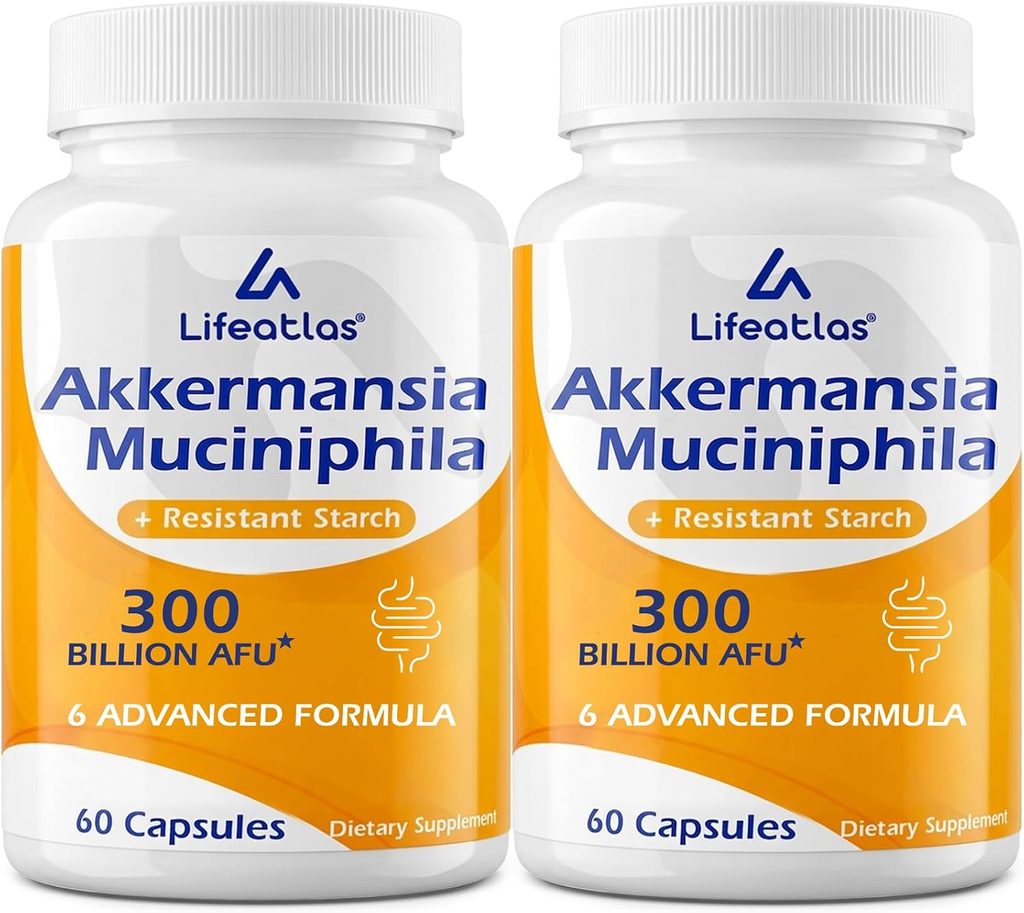
It is also important to consider safety. Probiotics may cause digestive discomfort in some people, and the risk of complications can be greater for people with serious illnesses or weakened immune systems. Anyone with underlying health conditions should seek professional guidance before using these products.
HOT: Probiotic products selected for a clear purpose, with transparent labeling and evidence relevant to their specific formulation.
NOT: Supplements that promise dramatic weight loss, anti-aging effects, or guaranteed improvements in overall health simply because they contain a high number of microorganisms.
4. Red Light Therapy Devices: Worth the Investment?
Red light therapy has gained attention in skincare and wellness discussions. At-home devices include facial masks, handheld panels, and larger light panels marketed for different cosmetic or wellness purposes.
The appeal is understandable. Consumers like the possibility of improving their routines without frequent appointments, and home devices can appear convenient. However, red light therapy is not a single treatment with identical results across all devices and uses. Evidence varies depending on the condition being studied, the device, the light parameters, and how the treatment is used.
A product advertised for skin appearance should not automatically be assumed to treat every skin concern. Similarly, claims involving pain relief, tissue recovery, or other medical outcomes require evidence specific to the intended use.
Before buying a device, examine whether the manufacturer provides clear specifications and realistic instructions. Consider the cost of the device, replacement components, and the time required to use it consistently. Follow eye-safety precautions and consult a qualified healthcare professional if you have a medical condition or take medication that may increase light sensitivity.
HOT: Devices with clear specifications, appropriate safety guidance, and evidence relevant to the intended use.
NOT: Products promising dramatic, universal results or suggesting that a single device can replace established medical care.
5. Massage Guns and Recovery Tools: Helpful or Overrated?
Massage guns, foam rollers, and handheld massage tools are popular among people who exercise regularly, spend long hours sitting, or want to relax after a demanding day. These products can make self-massage more convenient and may help some users feel less stiff or temporarily relieve muscle discomfort.
A massage gun uses rapid percussive movements, while a foam roller applies pressure as you move over the surface. Both can be incorporated into a recovery routine, but neither is a shortcut to better fitness or a substitute for appropriate treatment when pain has an underlying medical cause.
The biggest mistake is assuming that more pressure means better results. Using a massage gun aggressively or applying it to sensitive areas can cause discomfort or injury. People with certain medical conditions, injuries, or bleeding risks should seek professional advice before using these devices.
For many people, a simple foam roller or gentle stretching routine may be sufficient. A more expensive massage gun may be useful for someone who prefers its convenience, but the additional features are not automatically worth the higher price.
HOT: Recovery tools that are comfortable, easy to use, and appropriate for your activity level.
NOT: Devices promoted as guaranteed solutions for injuries, chronic pain, or rapid muscle growth.
6. Essential Oil Diffusers and Aromatherapy: Relaxing or Overhyped?
Aromatherapy products are often marketed as simple ways to create a calming environment. Essential oil diffusers, scented candles, and room sprays can make a space feel more inviting, particularly during an evening wind-down routine.
Fragrance preferences are personal, and a pleasant scent may help someone associate a particular space with relaxation. However, enjoying a fragrance is different from proving that it treats anxiety, insomnia, or another health condition. Strong claims require appropriate evidence, and the effects of particular scents should not be generalized to everyone.
Essential oils also require care. Some can irritate the skin, trigger headaches, or cause problems for people with respiratory sensitivities. Certain oils may be unsafe around pets, depending on the animal, the oil, and the method of exposure. Never assume that a natural ingredient is automatically harmless.
If you enjoy aromatherapy, begin with a simple product and use it in a well-ventilated space. Follow the manufacturer’s directions and avoid applying concentrated essential oils directly to the skin unless they are appropriately formulated for that purpose.
HOT: Subtle fragrances and diffusers used safely as part of a comfortable home environment.
NOT: Products claiming that a scent can cure illness, replace professional mental health care, or guarantee deep sleep.
7. Wellness Apps and Habit Trackers: Motivation or More Screen Time?
Wellness applications can help people organize exercise, record habits, practice meditation, and monitor certain aspects of their daily routines. Their biggest advantage is that they can make goals more visible and help users identify patterns over time.
A simple habit tracker may encourage someone to take regular walks, maintain a bedtime, or remember planned breaks during the workday. Meditation applications can also provide guided sessions for people who want structured instructions rather than trying to practice independently.
The problem begins when tracking becomes more important than the activity itself. A missed goal can create unnecessary guilt, while constant notifications may add stress to an already busy day. Some applications also charge recurring fees for features that users may not need.
Choose an app based on the problem you want to solve. If you simply need reminders to move during work, a basic phone notification may be enough. If you want guided meditation, a dedicated application could be useful. Review privacy settings before sharing sensitive personal information, especially with apps that collect health-related data.
HOT: Simple applications that support realistic goals and help you build sustainable habits.
NOT: Expensive subscriptions that overwhelm you with statistics or make ordinary wellness activities feel like another performance target.
8. Self-Care Products: What Is Actually Worth Buying?
Self-care is often presented as a collection of products, but it does not have to involve elaborate routines or expensive purchases. Everyday essentials such as moisturizer, comfortable sleepwear, a reusable water bottle, a journal, and a supportive pillow can make daily life more pleasant.
The best self-care products solve an actual problem or make a routine easier to maintain. Someone who experiences dry skin may benefit from an appropriate moisturizer, while a person who enjoys writing may find a journal useful for organizing thoughts. A comfortable eye mask can be a practical addition to a bedtime routine if unwanted light is a problem.
On the other hand, purchasing every trending product can create clutter and unnecessary expenses. Ten different products are not automatically better than two carefully selected essentials. Before buying something new, ask whether it fills a genuine need, whether you already own something similar, and whether its benefits justify its cost.
Self-care also includes habits that do not require shopping. Taking a walk, maintaining social connections, preparing balanced meals, setting boundaries around work, and making time for rest can all contribute to a healthier routine.
HOT: Affordable essentials that fit your lifestyle and are likely to be used consistently.
NOT: Products that make you feel that you must spend money to achieve an ideal version of wellness.
9. How to Spot Wellness Marketing Hype Before You Buy
Wellness marketing can make almost any product sound essential. Words such as “revolutionary,” “detoxifying,” “clinically inspired,” and “advanced” may appear impressive, but they do not establish whether a product works.
Start by identifying the exact claim. Is the product designed to improve comfort, support a routine, or address a specific health concern? These are different goals and require different levels of evidence. A water bottle can reasonably claim to help you carry water, but it should not be treated as a medical intervention.
Next, look for evidence that matches the product. A study on one ingredient does not prove that every product containing it will produce the same effect. Likewise, testimonials and influencer recommendations can describe individual experiences, but they cannot establish that a product will work for everyone.
Check the full cost, including subscriptions, replacement parts, and recurring purchases. Read the instructions and consider possible limitations. If the marketing promises immediate transformation or claims that one product can solve several unrelated health problems, approach it cautiously.
For supplements in particular, review ingredient amounts, strain information where applicable, quality testing, and safety considerations. Consult a qualified healthcare professional when a product could interact with medication or affect an existing condition.
10. Building a Wellness Routine Without Wasting Money
A practical wellness routine starts with your needs rather than the latest trend. Instead of buying several products at once, identify one area you want to improve. You might want to drink water more consistently, create a relaxing bedtime routine, make exercise more comfortable, or simplify your personal care habits.
Choose one or two tools that directly support that goal. Give yourself time to evaluate whether they are genuinely useful. A product that makes an existing habit easier may be worth keeping, while something that sits unused in a drawer is probably not a good investment.
It is also helpful to distinguish convenience from necessity. A smart bottle may be convenient, but a regular bottle can serve the same basic purpose. A sleep mask may solve a real lighting problem, while a costly sleep gadget may offer little additional value. A probiotic supplement may be appropriate in certain circumstances, but it is not automatically necessary for every healthy person.
Prioritize sustainable habits before adding more products. Regular physical activity, a varied diet, adequate sleep, hydration, and appropriate healthcare provide a foundation that wellness accessories cannot replace.
Final Verdict: What’s HOT and What’s NOT in Wellness?
Wellness products can be helpful when they solve a real problem, fit your lifestyle, and have benefits that are supported by appropriate evidence. Reusable hydration accessories, comfortable sleep aids, practical recovery tools, and selected self-care essentials may be worth trying because they can make everyday routines more convenient.
Other products deserve closer scrutiny, particularly when they promise dramatic results, rely on vague scientific language, or present an emerging area of research as a guaranteed solution. Probiotic supplements, light therapy devices, and other specialized wellness products should be evaluated individually rather than judged by marketing claims alone.
The smartest approach is to shop with a purpose. Look at what a product does, what evidence supports its intended use, how much it costs, and whether it is suitable for you. Remember that a higher price, a more complicated device, or a larger number on a label does not automatically mean better results.
Ultimately, wellness should make life healthier and more manageable, not more expensive or stressful. The products worth keeping are the ones that provide a clear, realistic benefit and support habits you can maintain over time. When you separate genuine usefulness from hype, you can make more informed purchases and build a wellness routine that works for your life.