The wellness industry is full of promises. From detox teas and fat-burning supplements to trendy eating plans and superfood powders, there always seems to be a new shortcut claiming to help you lose weight, improve digestion, or feel healthier. Social media makes these trends even more tempting, especially when influencers share dramatic transformations and describe products as essential to their daily routines.
But not every popular diet hack deserves a place in your wellness routine. Some habits can support better nutrition, energy, and long-term health, while others waste money, encourage restrictive eating, or promise results that science does not support. The challenge is learning how to distinguish practical wellness strategies from clever marketing.
The good news is that healthy living does not have to involve expensive products or complicated rules. Consistently eating nutritious foods, staying physically active, getting enough sleep, and making realistic choices can be more valuable than chasing the latest trend. If you want to improve your wellness, it is time to look at what deserves a place in your routine, what needs a second look, and what might be better left behind.
1. Keep It: Fiber-Rich Foods That Support Everyday Wellness
One of the most useful diet hacks is also one of the simplest: eat more fiber-rich foods. Fiber supports digestive health, helps maintain regular bowel movements, and can help you feel satisfied after meals. Yet many popular diet plans focus so heavily on protein, calorie restriction, or eliminating carbohydrates that they overlook the importance of fiber.
Fortunately, adding fiber to your diet does not require expensive supplements. Beans, lentils, oats, berries, apples, vegetables, whole grains, nuts, and seeds are practical choices that can fit into many eating patterns. For example, adding berries and oats to breakfast, including beans in a lunch salad, or choosing whole-grain bread can help increase your daily fiber intake.
Chia seeds are another convenient option. These tiny seeds provide fiber, plant-based omega-3 fatty acids, and other nutrients. They can be mixed into oatmeal, yogurt, smoothies, or overnight oats. You can also combine them with milk or a milk alternative to prepare chia pudding.
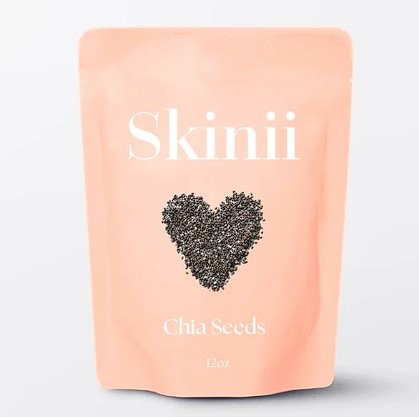
For an easy addition to your pantry, consider Skinii Chia Seeds 12 oz Superfood Pouch. Chia seeds can be a convenient ingredient for building fiber-rich meals and snacks without changing your entire eating routine.
However, remember that no single superfood can make up for an otherwise unbalanced diet. Start with small portions of high-fiber foods and increase your intake gradually, drinking enough water along the way. This can help reduce digestive discomfort, particularly if you are not accustomed to eating much fiber.
The goal is not to find one magical ingredient. It is to build a varied eating pattern that supplies the nutrients your body needs.
2. Toss the Hype: Detox Teas and Extreme Cleanses
Detox teas and cleansing programs are among the most recognizable wellness trends. They are often marketed as a way to eliminate toxins, flatten your stomach, or achieve rapid weight loss after a period of overeating. Some programs encourage people to replace meals with drinks, while others rely on laxatives or restrictive food rules.
The problem is that these promises often go beyond the available evidence. Your body already has systems, including the liver and kidneys, that help process and eliminate waste. There is little convincing evidence that commercial detox diets are necessary to remove toxins or deliver lasting weight-loss results.
Some detox products can also cause unpleasant side effects. Depending on their ingredients, they may lead to diarrhea, dehydration, electrolyte imbalances, or interactions with medications. Any rapid change on the scale may reflect fluid loss or reduced food intake rather than sustainable fat loss.
Instead of spending money on a cleanse, focus on habits that support your general health. Eat regular, balanced meals, drink water throughout the day, include fruits and vegetables, and get sufficient sleep. If you enjoy herbal tea, you can still drink it as part of your routine without expecting it to detoxify your body or melt away body fat.
You do not need to punish yourself after a holiday meal or a weekend of eating differently. Returning to your usual balanced habits is generally more practical than following an extreme cleanse.
3. Keep It: Balanced Meals Instead of Extreme Diet Rules
Another wellness habit worth keeping is building balanced meals. Rather than labeling foods as completely good or bad, consider how different foods contribute to your overall nutrition.
A balanced meal can include vegetables or fruit, a source of protein, fiber-rich carbohydrates, and healthy fats. For example, grilled chicken with brown rice and roasted vegetables offers a combination of protein, carbohydrates, and fiber. A vegetarian meal with beans, quinoa, avocado, and vegetables can provide a similar variety of nutrients.
Protein from foods such as eggs, fish, poultry, tofu, beans, lentils, and yogurt supports many important body functions, including muscle maintenance and repair. Whole grains and other carbohydrate sources provide energy, while fats from foods such as nuts, seeds, olive oil, and avocados contribute essential nutrients.
This approach can also make healthy eating more enjoyable. You do not necessarily need to eliminate bread, pasta, potatoes, or your favorite desserts to improve your diet. Portion sizes, preparation methods, overall food quality, and consistency all matter.
Be cautious of eating plans that demand strict food rules without considering your nutritional needs, preferences, or lifestyle. A plan that leaves you constantly hungry or makes it difficult to eat with family and friends may be challenging to maintain.
Instead, look for a pattern of eating that works with your everyday schedule and budget. Sustainable wellness is not about making every meal perfect. It is about making nourishing choices regularly while allowing flexibility.
4. Toss the Hype: Fat Burners That Promise Effortless Weight Loss
Fat-burning supplements often feature attractive packaging and bold claims. They may promise faster metabolism, reduced appetite, or dramatic weight loss without major changes to your lifestyle. For people who have tried multiple diets, these products can seem like an appealing shortcut.
Unfortunately, many weight-loss supplements have limited evidence supporting their effectiveness. Some contain stimulants that can cause nervousness, sleep problems, increased heart rate, or other unwanted effects. Certain products may also interact with medications, and the actual ingredients or amounts in some supplements may not match what consumers expect.
The National Center for Complementary and Integrative Health warns that many supplements marketed for rapid weight loss have not been proven safe or effective. Some weight-loss products have also been found to contain hidden drug ingredients.
This does not mean every dietary supplement is useless. Supplements can be appropriate for people who have particular nutritional needs or deficiencies, and some ingredients have established uses. The important distinction is between a supplement chosen for a specific reason and a product marketed as a shortcut to effortless weight loss.
Before purchasing a fat burner, examine its ingredient list and research its claims using reliable sources. Be especially cautious of products promising dramatic results in a few days, claiming to work without lifestyle changes, or relying primarily on dramatic testimonials.
If you are considering a weight-loss supplement, speak with a qualified healthcare professional, particularly if you take medication or have an existing health condition. Your money may be better spent on nutritious groceries, comfortable walking shoes, or other practical resources that support sustainable habits.
5. Keep It: Simple Meal Preparation That Saves Time
Meal preparation may not be the most exciting wellness trend, but it can make healthy eating much easier. When you have nutritious ingredients ready to use, you are less likely to rely entirely on takeout or whatever snack happens to be available during a busy day.
You do not need to prepare every meal for an entire week. Start with a few basics that can be combined in different ways. Cook a batch of rice or another grain, wash and chop vegetables, prepare a protein source, and keep convenient snacks such as fruit, yogurt, nuts, or hummus available.
For example, roasted vegetables and cooked chicken can become a lunch bowl one day and a filling wrap the next. Beans can be added to soups, salads, and grain bowls. Overnight oats can provide a quick breakfast when mornings are hectic.
Meal preparation can also help you plan grocery shopping more effectively. Before heading to the store, check what you already have and choose recipes that use overlapping ingredients. This can reduce waste and make nutritious meals more affordable.
Food safety matters when preparing meals in advance. Refrigerate perishable foods promptly, use suitable storage containers, and follow recommended storage times. Freezing portions you will not eat soon can help preserve food quality and reduce waste.
The best meal-prep routine is one you can maintain. Even preparing two lunches and a few breakfast options ahead of time can make your week easier.
6. Reconsider It: Cutting Out Entire Food Groups
Eliminating an entire food group is a common feature of many trendy diets. Some plans discourage carbohydrates, others remove dairy, and some promote highly restrictive menus built around only a few foods.
There are legitimate reasons for certain people to avoid specific foods. Someone with a diagnosed allergy, celiac disease, lactose intolerance, or another medical concern may need to limit particular ingredients. However, eliminating a food group without a clear reason can make it harder to meet your nutritional needs.
Carbohydrates, for example, are not automatically unhealthy. Fruits, vegetables, beans, and whole grains provide carbohydrates alongside fiber, vitamins, minerals, and other beneficial nutrients. Likewise, dairy products can provide protein and calcium, although fortified alternatives may also be suitable for people who avoid dairy.
Instead of focusing on removing foods simply because they have been labeled unhealthy online, consider what you can add to improve your meals. Include more vegetables, choose whole grains more often, and make room for protein-rich foods and healthy fats.
If a particular diet requires major restrictions, especially when you have a medical condition or a history of disordered eating, seek guidance from a qualified healthcare professional or registered dietitian. Your eating pattern should support your health, not create unnecessary fear around food.
7. Toss the Hype: One-Ingredient Diets and Viral Food Challenges
Social media regularly introduces diet challenges built around one ingredient, drink, or supposedly secret eating trick. You may see claims that drinking a particular beverage every morning, eating only a certain fruit, or following a rigid meal schedule will transform your body.
Some individual habits can be helpful, but their value is often exaggerated when separated from the bigger picture. Drinking water regularly is useful, for example, but adding a trendy ingredient to water does not automatically produce significant weight loss. Eating fruit is nutritious, but relying on one fruit as the foundation of your diet would leave little room for nutritional variety.
Be cautious of challenges that promise identical results for everyone. Individual needs differ according to age, activity level, medical conditions, medications, and other factors. A routine that suits one person may be inappropriate for another.
Before following a viral diet hack, ask three questions. Is the claim supported by reliable scientific evidence? Does the routine provide enough food and nutrients? Can it be followed safely and comfortably over time?
If the answers are unclear, there is no need to rush into the trend. Reliable wellness habits rarely require dramatic announcements or a complicated set of rules.
8. Keep It: Hydration, Movement, and Rest
Wellness is about more than food. Drinking enough fluids, engaging in regular physical activity, and getting adequate sleep all contribute to overall health.
Hydration needs vary from person to person and depend on factors such as activity level, climate, and health status. Water is an accessible everyday choice, while foods such as fruit and vegetables also contribute fluids. You generally do not need expensive wellness drinks to stay hydrated during ordinary daily activities.
Physical activity can be equally simple. Walking, cycling, dancing, gardening, strength training, and recreational sports can all help you move more regularly. Choose activities you enjoy so exercise feels like a sustainable part of your life rather than a punishment for eating.
Sleep deserves similar attention. Poor sleep can affect energy, concentration, mood, and appetite regulation. Creating a consistent bedtime routine, limiting stimulating activities close to bedtime, and keeping your sleep environment comfortable may help support better rest.
These habits work together. A balanced meal may support your energy, regular movement can improve fitness, and sufficient sleep helps you recover. None is a magic solution, but their combined effect can be more valuable than spending money on multiple products promising instant results.
9. Learn to Read Wellness Product Claims
Before buying a product promoted for weight loss or general wellness, take a closer look at its claims. Marketing language can sound scientific without providing strong evidence that a product delivers the advertised results.
Be skeptical of phrases such as “instant fat loss,” “guaranteed results,” or “works for everyone.” Before-and-after photographs and personal testimonials may be persuasive, but they cannot establish that a product is effective or safe for the general population.
Read the ingredient list and serving information. Consider whether the product contains large amounts of caffeine, unfamiliar stimulants, laxative ingredients, or a combination of substances you do not understand. Remember that natural ingredients can still have side effects or interact with medications.
In the United States, the Food and Drug Administration does not approve dietary supplements for safety and effectiveness before they are marketed in the same way it approves prescription medicines. Consumers should therefore be cautious about assuming that a product is proven simply because it is available for sale.
Look for information from credible public health organizations, scientific reviews, and qualified healthcare professionals. If a product makes a medical claim or promises unusually rapid results, seek independent evidence before spending your money.
The goal is not to distrust every wellness product. It is to become a more informed consumer who can separate reasonable benefits from exaggerated promises.
10. Build a Wellness Routine You Can Actually Maintain
The most useful diet hacks are often the least dramatic. They involve habits that fit your daily life, rather than strict programs that require constant effort or expensive purchases.
Start with one or two manageable changes. Add a serving of fruit to breakfast, include vegetables at dinner, prepare a few meals in advance, or take a short walk during your lunch break. Once these habits feel comfortable, you can build on them gradually.
Keep convenient nutritious foods available, including oats, beans, eggs, frozen vegetables, fruit, and seeds. Plan meals around foods you enjoy instead of forcing yourself to follow a menu you dislike. Allow flexibility for restaurant meals, celebrations, and favorite treats.
If weight management is one of your goals, focus on sustainable behaviors rather than extreme restrictions. Individual progress varies, and a healthy routine should account for your nutritional needs, physical activity, medical circumstances, and relationship with food.
Most importantly, avoid judging your health by a single meal, a number on the scale, or a trend circulating online. Wellness is a long-term process, and consistency is generally more useful than perfection.
Conclusion: Keep the Healthy Habits and Toss the Empty Promises
When it comes to diet hacks and wellness trends, the smartest approach is to look beyond the marketing. Fiber-rich foods, balanced meals, practical meal preparation, hydration, regular movement, and sufficient sleep are useful foundations for everyday wellness. They may not offer the instant transformation promised by viral products, but they can support healthier routines over time.
On the other hand, detox teas, extreme cleanses, unproven fat burners, and restrictive food challenges deserve careful scrutiny. Some may waste money, while others can create unnecessary risks or encourage unrealistic expectations.
You do not need to buy every trending supplement or follow every new diet rule to take care of yourself. Start with nutritious foods, make gradual changes, and choose products based on their ingredients, evidence, and suitability for your needs.
The best wellness routine is not the one with the most products or the strictest rules. It is the one that helps you feel nourished, energized, and confident in your everyday choices. Keep what genuinely supports your health, question what sounds too good to be true, and remember that lasting wellness is built through consistent habits rather than quick fixes.