
Walk through a grocery store, browse social media, or visit an online wellness shop, and you will find countless products promising better health, easier weight management, improved digestion, and more energy. From low-calorie snacks and flavored drinks to protein powders and meal replacement shakes, the choices can feel endless. Many of these products are marketed as healthy alternatives, but not everything labeled natural, low-fat, sugar-free, or high-protein automatically deserves a place in your daily routine.
The truth is that some everyday diet products can support a balanced lifestyle, while others may contain ingredients that are worth limiting. A snack advertised as low-fat might have considerable added sugar. A protein bar may contain more sweeteners than protein. Even a smoothie marketed as a nutritious breakfast can become a high-calorie drink when it contains large amounts of syrup, juice, or sweetened toppings.
Understanding what is good for your body and what deserves a second look does not mean following a restrictive diet or throwing away every packaged food in your kitchen. It means learning how to recognize nutritional quality, read ingredient labels, and make practical food swaps that support your long-term wellness.
Why You Should Rethink Some Everyday Diet Products
Many people choose diet products because they want convenient ways to eat better. However, marketing language can sometimes make a product appear healthier than its actual nutritional profile. Words such as diet, light, natural, fitness, and low-carb do not tell the whole story.
A product can be low in one nutrient but high in another. For example, a reduced-fat snack may contain additional sugar to improve its taste. A sugar-free dessert may use sugar alcohols that cause bloating or digestive discomfort in some people. A packaged protein snack may provide a convenient source of protein but also contain considerable sodium.
The World Health Organization recommends a balanced and varied eating pattern built around fruits, vegetables, legumes, whole grains, and suitable protein sources. It also recommends limiting foods high in free sugars, unhealthy fats, and sodium. This approach focuses on the overall quality of a person’s diet rather than relying on individual products to deliver better health.
The goal is not to label every packaged food as unhealthy. Instead, it is to understand what you are buying and whether it provides meaningful nutritional value.
1. Sugary Drinks: Replace Everyday Sodas and Sweetened Beverages
One of the first things worth reviewing in your kitchen is your collection of sugary drinks. Regular soda, sweetened iced tea, bottled fruit drinks, flavored coffee beverages, and energy drinks can contribute substantial amounts of added sugar without providing much fiber or lasting fullness.
These drinks are easy to consume quickly, and their calories may not feel as satisfying as those from a balanced meal. Drinking them regularly can also make it harder to manage overall added sugar intake.
A better everyday choice is plain water. If you find water boring, add lemon slices, cucumber, mint, or fresh berries for natural flavor. Unsweetened tea and sparkling water are other options for people who enjoy something more interesting than plain water.
You do not have to avoid every sweet beverage forever. The more practical approach is to make water your regular choice and enjoy sweetened drinks occasionally rather than treating them as everyday hydration.
2. Highly Sweetened Breakfast Cereals: Choose More Filling Options
Breakfast cereals are often advertised as convenient sources of vitamins, minerals, and energy. Some fortified cereals can contribute useful nutrients, but heavily sweetened varieties may contain significant added sugar and relatively little fiber.
A colorful cereal marketed toward people who want a quick breakfast is not necessarily the most satisfying option. If it contains mostly refined grains and added sweeteners, you may find yourself hungry again soon after eating.
Consider replacing highly sweetened cereals with oatmeal, plain whole-grain cereal, or unsweetened yogurt topped with fresh fruit and nuts. These combinations can provide fiber, protein, and other nutrients that help make breakfast more balanced.
If you enjoy your favorite cereal, check the serving size and added sugar content. You can also mix a smaller portion of sweetened cereal with plain oats or an unsweetened alternative.
3. Low-Fat Flavored Yogurt: Look Beyond the Front Label
Yogurt can be a useful addition to a balanced diet because it provides protein and, depending on the product, calcium and live cultures. However, not every flavored yogurt has the same nutritional value.
Some low-fat fruit-flavored varieties contain added sugar to improve sweetness and taste. This does not automatically make them unhealthy, but it is worth checking the label instead of assuming that low-fat means better.
Plain yogurt or unsweetened Greek yogurt is a practical alternative. You can add fresh strawberries, bananas, blueberries, nuts, or a small amount of honey if you prefer a sweeter flavor.
Greek yogurt is particularly useful for people who want a convenient protein-rich snack. It can also be used in smoothies, breakfast bowls, dips, and homemade dressings. Choosing a plain variety gives you more control over how much sweetness you add.
4. Packaged Protein Bars: Convenience Does Not Always Mean Quality
Protein bars are popular among gym-goers, busy professionals, and people looking for convenient snacks. They can provide protein when a full meal is not available, but their nutritional quality varies considerably.
Some bars contain a useful amount of protein and fiber, while others resemble candy bars with added protein. They may include considerable added sugar, saturated fat, or sugar alcohols. Some sugar alcohols can cause gas, bloating, or diarrhea, especially when consumed in large amounts.
Before buying a protein bar, compare the protein content with the amount of added sugar, fiber, calories, and saturated fat. Consider whether the bar actually helps meet your nutritional needs or simply adds another highly sweetened snack to your day.
For an everyday alternative, try boiled eggs, plain yogurt, nuts, cottage cheese, or fruit paired with a protein source. These options can be just as convenient with a little preparation.
5. Artificially Sweetened Diet Products: Read the Ingredients Carefully
Sugar-free drinks, diet desserts, and low-calorie sweeteners are often marketed as easy ways to reduce sugar intake. While they can reduce the amount of sugar in a particular product, they are not automatically essential for better health.
Some sugar substitutes, particularly certain sugar alcohols, may cause digestive discomfort in sensitive individuals. Other non-sugar sweeteners have different safety profiles and should not all be treated as identical.
The World Health Organization advises against relying on non-sugar sweeteners as a long-term strategy for weight control. Its guidance encourages reducing overall sweetness in the diet rather than simply replacing sugar with another sweetener.
A practical approach is to gradually become comfortable with less-sweet foods and drinks. Choose plain coffee or tea more often, enjoy whole fruit instead of frequently drinking sweetened beverages, and check the ingredient list of products labeled sugar-free.
6. Instant Noodles and Highly Processed Convenience Meals: Watch the Sodium
Instant noodles and packaged convenience meals are popular because they are inexpensive, easy to prepare, and require very little cooking time. They can be useful when schedules are busy, but some varieties contain considerable sodium and may be low in fiber and vegetables.
Eating them occasionally does not mean you are damaging your health. The bigger concern is relying on them frequently without adding other nutritious foods.
You can improve an instant noodle meal by using less of the seasoning packet, adding leafy vegetables, mushrooms, carrots, tofu, or an egg, and including a suitable protein source. You can also choose lower-sodium alternatives when available.
For regular meals, consider preparing simple dishes with rice, vegetables, fish, chicken, beans, or tofu. Home-prepared meals make it easier to control ingredients and adjust portions according to your needs.
7. Protein Powders: Keep Them Only If They Serve a Purpose
Protein powder can be a convenient option for people who struggle to get enough protein from regular meals. It may be useful for active individuals, people with demanding schedules, or anyone who needs an easy addition to a smoothie or snack.
However, protein supplements are not automatically healthier than food. Some products contain added sugar, unnecessary ingredients, or more calories than expected. Product quality also varies, making it important to review the ingredient list and look for reliable quality testing where available.
Harvard Health Publishing has highlighted concerns about protein powders, including differences in added sugar, calorie content, and possible contamination in some products. This does not mean every protein powder is unsafe. It means consumers should be selective rather than assuming that all supplements are equally reliable.
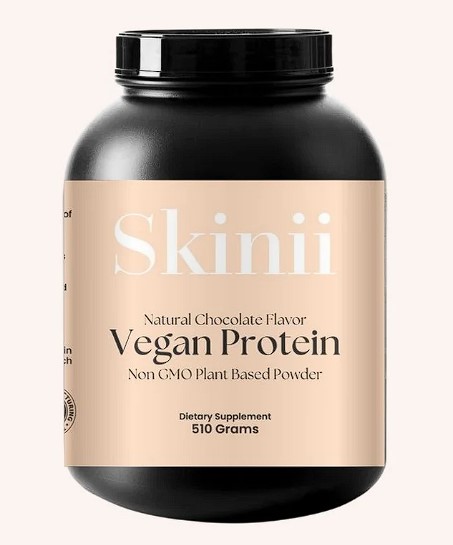
If you prefer plant-based protein, a vegan protein powder may be an option to consider. For example, the Skinii Vegan Protein Low Carb Chocolate is one product you can review if you are looking for a chocolate-flavored plant-based protein option.
Before choosing any protein powder, check the protein amount per serving, total calories, added sugars, sweeteners, allergens, and ingredient information. Use it to supplement a balanced eating pattern rather than replace every meal. People with kidney disease or other medical conditions affecting protein needs should consult a qualified healthcare professional before increasing protein intake.
8. Packaged Fruit Juices and Smoothies: Choose Whole Fruit More Often
Fruit juice may appear to be a healthy choice because it comes from fruit. However, juice does not provide the same amount of fiber as eating whole fruit, and it can be easy to consume several servings of fruit in one glass.
Commercial smoothies can also contain sweetened yogurt, syrups, juice concentrates, or large portions of fruit. These ingredients can increase the total sugar and calorie content.
Whole fruit is generally a better everyday option because it provides fiber and requires more chewing, which can help make eating more satisfying. Apples, oranges, bananas, berries, and other seasonal fruits are easy choices.
If you enjoy smoothies, prepare them at home using whole fruit, unsweetened milk or a suitable plant-based alternative, plain yogurt, and optional seeds or protein powder. This gives you more control over the ingredients and portion size.
9. Flavored Coffee Creamers: Check the Added Sugar
Coffee is part of many people’s daily routines, but flavored creamers can add more sugar and calories than expected. Caramel, vanilla, hazelnut, and seasonal dessert-inspired creamers often contain added sweeteners and fats.
You do not need to give up your favorite coffee. Instead, try using regular milk, unsweetened plant-based milk, or a smaller amount of creamer. Cinnamon or a little vanilla extract can also add flavor without requiring large amounts of sweetened syrup.
If you regularly buy coffee from cafés, consider asking for fewer pumps of flavored syrup or choosing an unsweetened version. Small adjustments can make a meaningful difference when repeated every day.
10. Highly Processed Snack Foods: Make Room for More Nutritious Choices
Chips, cookies, packaged pastries, and similar snacks are convenient, but many contain high amounts of sodium, added sugar, or saturated fat. They can be enjoyable occasionally, but relying on them as your main snack choices may leave less room for foods that provide fiber, vitamins, minerals, and protein.
Instead of automatically removing every snack you enjoy, build a more balanced snack routine. Fresh fruit, unsalted nuts, roasted chickpeas, plain yogurt, vegetable sticks with hummus, and boiled eggs are examples of alternatives that offer useful nutrients.
The key is variety. You can still enjoy your favorite chips or cookies sometimes while making more nutrient-dense foods your regular choices.
How to Read Nutrition Labels Before Buying Diet Products
One of the easiest ways to improve your grocery choices is to become comfortable reading nutrition labels. The front of a package is designed to attract attention, but the nutrition facts panel and ingredient list provide more useful information.
Start by checking the serving size. A package may contain two or three servings, even if it looks like one individual snack. Eating the entire package means consuming more than the amounts listed for a single serving.
Next, look at added sugars, sodium, saturated fat, fiber, and protein. The U.S. Food and Drug Administration explains that the Daily Value percentage can help consumers compare products. On its label guidance, 5% Daily Value or less is considered low, while 20% or more is considered high for a nutrient.
Also, read the ingredient list. Ingredients are generally listed in descending order by weight, meaning those appearing first make up a larger proportion of the product. Comparing two similar products can help you choose the one with less added sugar or sodium and more fiber or protein.
Remember that no single number determines whether a food is healthy. Consider the entire nutritional profile, your portion size, and how the product fits into your overall eating pattern.
Simple Food Swaps That Support Better Everyday Wellness
Improving your diet does not require buying expensive specialty foods. Many useful changes can be made with familiar ingredients.
Replace sugary drinks with water or unsweetened tea. Choose oatmeal or whole-grain cereal instead of heavily sweetened breakfast options. Swap flavored yogurt for plain yogurt topped with fresh fruit. Choose whole fruit instead of drinking fruit juice every day. Add vegetables and protein to convenience meals, and use nuts, eggs, beans, or yogurt as alternatives to highly sweetened snacks.
You can also prepare simple meals in advance. Cook a batch of rice, prepare vegetables, boil eggs, or portion nuts and fruit into containers. Having convenient options available makes it easier to choose balanced meals when your schedule becomes busy.
These changes are more sustainable than trying to completely transform your eating habits overnight.
A Healthier Diet Is About Balance, Not Perfection
The most important lesson about diet products is that healthy eating should not be based on fear or extreme restrictions. A single snack, dessert, or packaged meal does not determine your overall health. What matters more is the pattern of choices you make consistently over time.
Some packaged products are useful, especially when they provide convenient sources of protein, fiber, or essential nutrients. Others are best enjoyed occasionally because they contain substantial added sugar, sodium, or less nutritious ingredients.
Instead of asking whether a product is completely good or bad, ask whether it provides something valuable, how often you consume it, and whether there is a better alternative for your everyday needs.
A balanced approach allows room for convenience, enjoyment, and flexibility. By paying attention to ingredients, choosing more whole foods, and making small food swaps, you can build eating habits that support your energy, health, and long-term wellness without following a restrictive diet.