As we navigate the intricate tapestry of life, our skin serves as a living canvas, bearing witness to every laugh line, sun-kissed memory, and moment of wisdom etched upon its surface. While the passage of time is an inevitable and beautiful journey, the desire to maintain a youthful, vibrant complexion—to “age gracefully”—is a universal aspiration. Modern skincare, far from merely masking the signs of aging, has evolved into a sophisticated science offering powerful, evidence-based solutions that can genuinely help you reclaim your skin’s radiance, firmness, and overall youthful vitality. This comprehensive guide will illuminate the science behind skin aging, demystify the most effective anti-aging ingredients, and empower you to craft a personalized skincare regimen that not only addresses existing concerns but also proactively safeguards your skin’s future.
The Science of Skin Aging: Understanding the Process
To effectively combat the signs of aging, it’s crucial to understand what’s happening beneath the surface. Skin aging is a complex, multifaceted process influenced by two primary categories of factors:
- Intrinsic Aging (Chronological Aging): This is the natural, genetically determined aging process. Over time, our cells simply replicate less efficiently. Key changes include:
- Reduced Collagen and Elastin Production: Collagen provides skin’s structure and firmness, while elastin gives it elasticity and the ability to “bounce back.” Both naturally decline with age, leading to fine lines, wrinkles, and sagging.
- Slower Cell Turnover: The rate at which new skin cells are produced and old ones shed slows down, leading to a duller complexion and less efficient repair.
- Decreased Hyaluronic Acid: This natural humectant, responsible for holding moisture, diminishes, resulting in drier, less plump skin.
- Loss of Subcutaneous Fat: Fat pads beneath the skin diminish, contributing to volume loss and a more hollowed appearance.
- Extrinsic Aging (Environmental Aging): These are external factors that accelerate the aging process, often significantly more than intrinsic aging. The primary culprits include:
- UV Radiation (Photoaging): Sun exposure is by far the most damaging extrinsic factor. UVA rays penetrate deep into the dermis, damaging collagen and elastin, leading to wrinkles, sagging, and hyperpigmentation (sun spots). UVB rays cause sunburn and contribute to skin cancer.
- Pollution: Environmental pollutants generate free radicals that damage skin cells and impair barrier function.
- Lifestyle Factors: Smoking, excessive alcohol consumption, poor diet, chronic stress, and lack of sleep all contribute to accelerated skin aging by generating oxidative stress and inflammation.
- Gravity: While not a direct cause of cellular aging, gravity contributes to sagging over time.
Understanding these mechanisms allows us to pinpoint the areas where targeted skincare can make the most significant impact: stimulating collagen, increasing cell turnover, boosting hydration, and, most importantly, protecting against environmental damage.
The Power Players: Essential Anti-Aging Ingredients
The vast array of skincare ingredients can be overwhelming. However, certain ingredients have stood the test of time and scientific scrutiny, proving their efficacy in addressing multiple signs of aging.
1. Retinoids (The Gold Standard)
Retinoids, derivatives of Vitamin A, are arguably the most well-researched and proven anti-aging ingredients available outside of a dermatologist’s office. They work by:
- Accelerating Cell Turnover: Promoting faster shedding of old skin cells and the rise of new ones, leading to a smoother, brighter complexion and reducing hyperpigmentation.
- Stimulating Collagen Production: Retinoids penetrate the dermis and signal cells to produce more collagen, which helps to plump up fine lines and wrinkles and improve skin firmness over time.
- Reducing Fine Lines and Wrinkles: Through increased cell turnover and collagen synthesis, retinoids effectively diminish the appearance of lines.
- Improving Skin Texture and Tone: They can refine pores and create a more even complexion.
Types of Retinoids:
- Retinoic Acid (Tretinoin/Retin-A): Prescription-strength, most potent, and often causes initial irritation.
- Retinaldehyde (Retinal): One step removed from retinoic acid, less irritating than tretinoin but more potent than retinol.
- Retinol: Over-the-counter (OTC) form, common in many anti-aging products. It needs to convert to retinoic acid in the skin, making it less potent but also less irritating.
- Retinyl Esters (e.g., Retinyl Palmitate): Mildest form, furthest conversion step from retinoic acid.
- Bakuchiol: A plant-derived ingredient, often touted as a “natural retinol alternative.” It offers similar benefits (collagen stimulation, reduced wrinkles) but with less irritation, making it suitable for sensitive skin or those who can’t tolerate traditional retinoids.
When starting with retinoids, begin with a lower concentration and use them a few times a week, gradually increasing frequency as your skin tolerates it. Always apply at night, as they can increase sun sensitivity, and always follow with sunscreen in the morning.
For addressing the delicate eye area, which often shows the first signs of aging due to thinner skin and constant movement, a targeted retinol eye cream is invaluable. The YOUN Beauty Retinol Eye Cream by Plastic Surgeon Dr. Anthony Youn is an excellent choice, formulated to be effective yet gentle for this sensitive region, helping to reduce the appearance of fine lines, wrinkles, and crow’s feet. For those seeking a natural alternative to traditional retinols, particularly if sensitivity is a concern, the Ogee Natural Retinol Bakuchiol Serum 2% Elixir offers similar age-defying benefits, promoting smoother skin and reducing wrinkles without the potential for irritation often associated with retinoid. This provides a versatile option for different skin types and preferences while targeting key signs of aging.
2. Vitamin C (The Antioxidant Powerhouse)
Vitamin C (ascorbic acid) is a powerhouse ingredient that should be a staple in every anti-aging routine, especially in the morning. Its benefits are manifold:
- Potent Antioxidant: Neutralizes free radicals generated by UV radiation and pollution, preventing cellular damage that leads to premature aging.
- Boosts Collagen Production: Essential co-factor for collagen synthesis, helping to firm the skin and reduce wrinkles.
- Brightens Skin Tone: Inhibits melanin production, reducing hyperpigmentation (dark spots, sun spots) and creating a more radiant, even complexion.
- Anti-inflammatory: Helps to calm redness and irritation.
When selecting a Vitamin C serum, look for L-ascorbic acid, which is the purest and most potent form. Stability is key, as Vitamin C can degrade quickly when exposed to light and air. Packaging in dark, opaque bottles with airless pumps is ideal.
3. Hyaluronic Acid (The Hydration Hero)
While not an “anti-aging” ingredient in the same vein as retinoids or Vitamin C (it doesn’t directly stimulate collagen or cell turnover), hyaluronic acid (HA) is indispensable for plump, youthful-looking skin. Its primary function is intense hydration:
- Exceptional Humectant: HA can hold up to 1,000 times its weight in water, drawing moisture from the environment into the skin.
- Plumps Skin: By infusing the skin with hydration, HA instantly plumps up the skin, making fine lines and wrinkles appear less noticeable.
- Improves Skin Barrier Function: A well-hydrated skin barrier is more resilient and better able to protect against environmental aggressors.
- Enhances Absorption: Hydrated skin allows other active ingredients to penetrate more effectively.
Look for serums or creams that contain different molecular weights of HA (low, medium, high) to target various layers of the skin.
4. Peptides (The Building Blocks)
Peptides are short chains of amino acids, the building blocks of proteins like collagen and elastin. They act as signaling molecules, telling your skin cells to perform specific functions. Different types of peptides have different roles:
- Signal Peptides: Encourage collagen production.
- Carrier Peptides: Deliver trace elements (like copper) that are essential for wound healing and collagen synthesis.
- Neurotransmitter-Inhibiting Peptides: Work similarly to Botox by relaxing muscle contractions that cause dynamic wrinkles (e.g., argireline).
Peptides are generally well-tolerated and can be a great addition to any routine to support collagen synthesis and skin repair.
5. Alpha Hydroxy Acids (AHAs) and Beta Hydroxy Acids (BHAs) (The Exfoliators)
These chemical exfoliants help to remove dead skin cells, promoting a smoother texture, brighter complexion, and allowing other active ingredients to penetrate better.
- AHAs (Glycolic Acid, Lactic Acid): Water-soluble, work on the skin’s surface, best for improving texture, tone, and reducing fine lines. They also have humectant properties.
- BHAs (Salicylic Acid): Oil-soluble, penetrate into pores, making them ideal for acne-prone skin and blackheads, but also beneficial for overall exfoliation.
Start with lower concentrations and gradually increase use to avoid irritation. Sun protection is crucial when using AHAs/BHAs.
Building Your Comprehensive Anti-Aging Skincare Regimen
A well-structured skincare routine is key to maximizing the benefits of your chosen ingredients. While morning and evening routines differ, consistency is paramount.
Morning Routine (Focus: Protection & Prevention)
- Cleanse: Use a gentle cleanser to remove overnight buildup without stripping your skin.
- Vitamin C Serum: Apply a stable Vitamin C serum. This is your primary antioxidant defense against daily environmental aggressors.
- Hydrating Serum (Optional but Recommended): A hyaluronic acid serum can plump and hydrate, preparing your skin for moisturizer.
- Moisturizer: Apply a moisturizer appropriate for your skin type to lock in hydration and support your skin barrier.
- Sunscreen (Non-Negotiable!): This is the single most important anti-aging step. Use a broad-spectrum SPF 30 or higher daily, rain or shine. Mineral sunscreens (zinc oxide, titanium dioxide) are often preferred for sensitive skin.
Evening Routine (Focus: Repair & Regeneration)
- Double Cleanse (Recommended): If you wear makeup or heavy sunscreen, start with an oil-based cleanser or micellar water to dissolve impurities, followed by a gentle water-based cleanser.
- Treatment Serum (Retinoid/Peptides/AHAs): This is where your heavy-hitting active ingredients go. If using a retinoid, apply it now. If you’re using AHAs, alternate nights with your retinoid to avoid over-exfoliation.
- For overall skin longevity and age reversal, the OS-01 Peptide Skin Longevity Age Reversal Duo presents an innovative and scientifically-backed approach. This product is designed to target cellular aging, offering benefits that extend beyond superficial improvements, aiming for genuine skin health at a foundational level. This kind of advanced peptide technology signals your skin to behave more youthfully, addressing the root causes of aging.
- For overall skin longevity and age reversal, the OS-01 Peptide Skin Longevity Age Reversal Duo presents an innovative and scientifically-backed approach. This product is designed to target cellular aging, offering benefits that extend beyond superficial improvements, aiming for genuine skin health at a foundational level. This kind of advanced peptide technology signals your skin to behave more youthfully, addressing the root causes of aging.
- Eye Cream: Gently pat a dedicated eye cream around the orbital bone.
- Night Cream/Moisturizer: Apply a rich night cream to nourish and support skin repair while you sleep. The Obagi Hydrate Luxe Ultra-Rich Moisturizer is an excellent choice for providing deep, lasting hydration overnight, ensuring your skin wakes up feeling supple and restored. Its luxurious texture helps to calm and repair the skin barrier, essential for combating dryness and improving overall skin resilience.
Advanced Anti-Aging Treatments and Considerations
While a consistent daily routine is paramount, integrating advanced treatments can further enhance results.
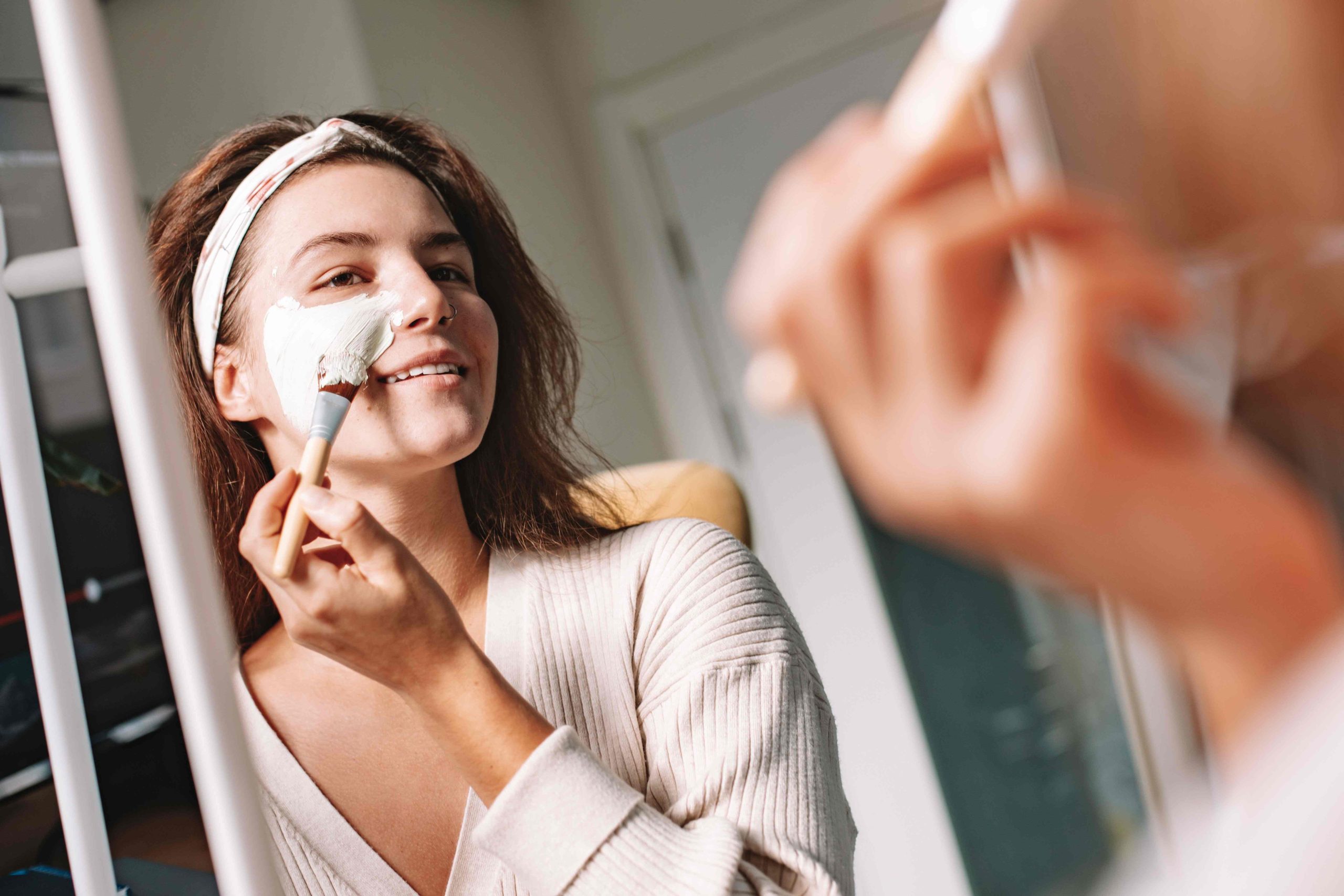
- Facial Masks: Targeted masks can provide an extra boost. For a unique and effective treatment, the CO2Lift Carboxy Gel Treatment Facial Mask can promote radiant, youthful skin by increasing oxygen delivery to the skin, which aids in cellular regeneration and can lead to a plumper, more hydrated, and luminous complexion.
- At-Home Peels: Gentle at-home chemical peels, often containing lower concentrations of AHAs or BHAs, can provide deeper exfoliation than daily cleansers, improving texture and tone.
- Microneedling (at-home devices): These devices create micro-injuries in the skin, stimulating collagen production. Use with caution and strict hygiene, and consult a professional first.
- LED Light Therapy: Red light therapy devices can stimulate collagen production and reduce inflammation.
- Professional Treatments: For more dramatic results, consider in-office treatments like professional chemical peels, laser therapy, microneedling with PRP, or injectables (Botox, fillers) under the guidance of a board-certified dermatologist.
Beyond the Bottle: Lifestyle for Youthful Skin
Remember that skincare products are just one piece of the puzzle. Your lifestyle choices profoundly impact your skin’s health and appearance.
- Diet: A diet rich in antioxidants (from colorful fruits and vegetables), healthy fats (omega-3s), and lean proteins supports skin health from within. Limit processed foods, excessive sugar, and alcohol.
- Hydration: Drink plenty of water throughout the day to keep your skin hydrated from the inside out.
- Sleep: Quality sleep is essential for skin repair and regeneration. During deep sleep, your skin’s cells undergo significant repair processes.
- Stress Management: Chronic stress elevates cortisol levels, which can break down collagen and elastin. Incorporate stress-reducing practices like meditation, yoga, or spending time in nature.
- No Smoking: Smoking is one of the most detrimental habits for skin health, causing premature wrinkles, dullness, and a sallow complexion.
Embracing the journey of aging doesn’t mean passively accepting every wrinkle. It means understanding the science, making informed choices, and empowering yourself with a smart, consistent skincare strategy coupled with a healthy lifestyle. By investing in proven ingredients, protecting your skin daily, and nurturing your overall well-being, you can truly reclaim your skin’s radiance and face each year with confidence and a luminous, healthy glow that reflects the vitality within. Your skin is your largest organ; treat it with the care and respect it deserves, and it will radiate health for years to come.