The New Era of Celebrity Influence
The entertainment industry in 2026 is undergoing a noticeable shift in how fame, relevance, and public perception are measured. Traditional markers like box office performance and award recognition still matter, but cultural influence, viral presence, and narrative momentum now play an equally powerful role.
This evolving landscape is best captured in what industry watchers are calling the “Celebrity Stock Report”—a metaphorical measure of who is rising, who is holding steady, and who is declining in public favor.
At the center of this shift are two defining forces: the continued dominance of global icons like Beyoncé and the enduring prestige of cinematic royalty such as Nicole Kidman. Their commanding presence at the Met Gala 2026 has reset expectations for red carpet influence and cultural relevance.
At the same time, emerging stars like Lady Gaga and Pedro Pascal are experiencing rapid upward momentum, while established figures such as Javier Bardem face increased scrutiny and shifting public sentiment.
This article breaks down the celebrity “stock market” of 2026, focusing on who is rising, who is falling, and why audience perception is changing faster than ever.
Met Gala 2026: The Cultural Center of Celebrity Power
The Met Gala has always been a high-profile intersection of fashion, art, and celebrity status. In 2026, it became something more: a global indicator of cultural influence.
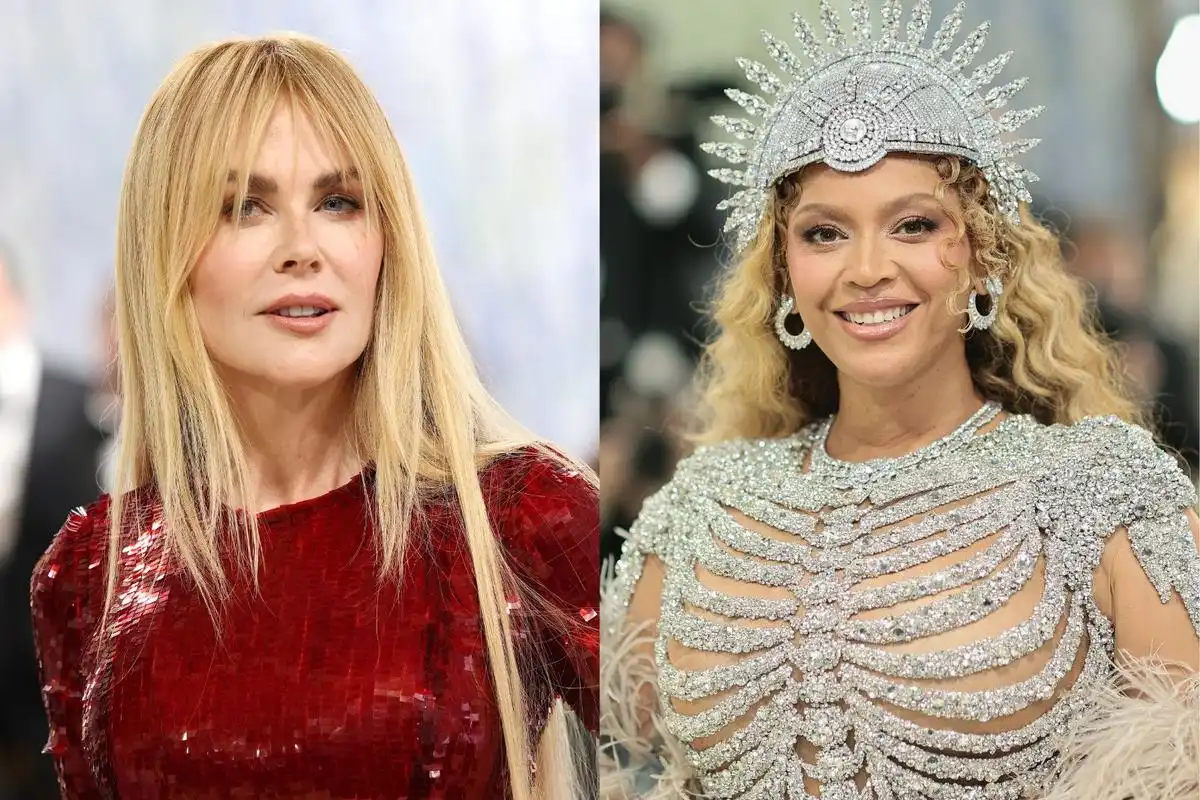
Beyoncé’s dual-outfit reveal instantly became one of the most analyzed fashion moments of the year. The first look embodied structured elegance, while the second transitioned into a more avant-garde, performance-inspired aesthetic. This deliberate transformation was widely interpreted as a visual metaphor for artistic reinvention.
Meanwhile, Nicole Kidman’s archival Chanel appearance emphasized refinement over spectacle. Instead of chasing shock value, her look leaned into timeless luxury, reinforcing her long-standing association with classic Hollywood elegance. Together, these two appearances defined the tone of the event: duality between reinvention and tradition.
Their co-chairing role further amplified their influence, positioning both women not just as attendees but as cultural architects of the event.
Beyoncé: The Reinvention of a Global Icon
Beyoncé’s presence at the Met Gala 2026 is part of a broader narrative of sustained artistic evolution. Rather than relying solely on nostalgia or legacy status, she continues to redefine what long-term relevance looks like in global entertainment.
Her dual-outfit presentation was widely interpreted as a statement on identity fragmentation in modern fame. In an era where celebrities are expected to maintain multiple public personas—artist, entrepreneur, activist, and cultural symbol—her styling choice reflected that complexity.
Beyond fashion, Beyoncé’s ongoing critical acclaim in music and visual performance continues to strengthen her cultural “stock.” Each public appearance is treated less as a moment and more as a strategic narrative extension of her brand evolution.
As a result, she remains one of the most stable high-value figures in the celebrity economy of 2026.
Nicole Kidman: The Power of Timeless Prestige
While many celebrities rely on reinvention, Nicole Kidman’s strength lies in consistency and refinement. Her Met Gala 2026 appearance reinforced her position as a symbol of classical Hollywood sophistication.
Her archival Chanel look sparked widespread discussion in fashion circles, particularly around the resurgence of vintage luxury. Rather than competing for viral attention, Kidman’s strategy emphasizes longevity and prestige.
In a media environment increasingly driven by short-form attention cycles, her approach offers a counterbalance. She represents a category of celebrity influence rooted in legacy, craftsmanship, and controlled public presence.
This positions her as one of the few remaining stars whose influence does not depend on constant reinvention.
Lady Gaga: Rapid Ascent Through Artistic Boldness
Few celebrities experience volatility and upward momentum as consistently as Lady Gaga.
Her highly praised appearance at the world premiere of MAYHEM Requiem in Los Angeles reinforced her reputation as a performer who thrives on theatrical reinvention. Unlike many contemporaries, Gaga’s public image is built on unpredictability and artistic risk-taking.
In 2026, her “stock” is rising due to three key factors:
- Strong critical reception of recent performances
- Continued dominance in visual storytelling
- Alignment with avant-garde fashion movements
Her ability to shift between music, film, and fashion without losing cohesion makes her one of the most adaptable figures in modern entertainment.
Pedro Pascal: The Quiet Rise of Mainstream Appeal
Pedro Pascal continues to experience steady upward momentum in both mainstream media and fan communities.
His appeal lies in versatility and relatability. As he prepares for major franchise expansion in Star Wars: The Mandalorian and Grogu, Pascal represents a rare combination of critical respect and mass audience appeal.
Unlike highly polarizing figures, his public perception remains largely positive, contributing to a stable and growing cultural presence.
In the current entertainment climate, where audience trust is increasingly fragmented, consistency is a valuable asset.
Javier Bardem: Navigating Public Controversy and Reputation Shifts
In contrast, Javier Bardem is experiencing a downward shift in public sentiment following controversial remarks tied to geopolitical commentary.
In today’s entertainment ecosystem, political statements by celebrities are amplified instantly and often recontextualized beyond their original intent. This has contributed to increased scrutiny and polarized reactions.
While Bardem remains a respected actor with a strong filmography, his current public perception reflects the broader challenge celebrities face when personal opinions intersect with global political tensions.
This situation highlights a key reality of 2026 celebrity culture: reputation is no longer solely shaped by performance, but also by perception velocity in digital media.
The Franchise Fatigue Effect: When Big IP Starts Losing Momentum
Another significant trend affecting the celebrity economy is what analysts describe as “franchise fatigue.”
Major streaming franchises and superhero universes are no longer guaranteed cultural dominance. While individual actors may still perform strongly, the overall audience enthusiasm for repetitive cinematic universes is declining.
This shift impacts:
- Box office predictability
- Audience engagement levels
- Long-term franchise sustainability
Even when star power is attached, audiences are becoming more selective about large-scale franchise content, demanding originality over continuity.
This trend is reshaping how studios plan releases and how actors choose long-term projects.
Rio and Kate Ferdinand: The Human Side of Celebrity Visibility
Public figures like Rio Ferdinand and Kate Ferdinand illustrate a different aspect of modern celebrity culture: the merging of personal life and global visibility.
Their recent updates from Dubai, where they reported safety concerns during regional unrest, highlight how modern celebrity status extends beyond entertainment into real-world vulnerability.
In 2026, audiences are increasingly exposed to the private realities of public figures, often in real time. This creates a complex dynamic where personal crises become global talking points, further blurring the line between news and entertainment.
Understanding the 2026 Celebrity Stock Market
The metaphor of “celebrity stock” is useful because it reflects how volatile public perception has become.
Key Drivers of Rising Celebrity Stock:
- Strong critical reception
- Cultural adaptability
- Fashion influence and viral presence
- Consistent public relatability
Key Drivers of Declining Celebrity Stock:
- Controversy or political backlash
- Franchise fatigue association
- Overexposure without narrative evolution
In this environment, longevity is no longer guaranteed by fame alone. It must be continuously earned through relevance, reinvention, and perception management.
Conclusion: Fame Is No Longer Static
The entertainment world of 2026 is defined by movement. No celebrity remains in one category for long. Rising stars can peak within months, while established icons must continuously evolve to maintain relevance.
Beyoncé and Nicole Kidman demonstrate that long-term cultural dominance is still possible, but it now requires strategic reinvention and careful narrative control.
Meanwhile, figures like Lady Gaga and Pedro Pascal show how momentum can rapidly build when talent aligns with cultural timing.
On the other hand, the shifting reception of Javier Bardem and broader franchise fatigue trends remind us that even established success can be destabilized by changing audience expectations.
Ultimately, the 2026 celebrity landscape is not about permanence. It is about adaptation. And in this evolving system, only those who understand cultural timing will continue to rise.