The Truth Behind Viral Beauty Hacks
Social media has completely transformed how people discover beauty routines. One scroll on TikTok, Instagram Reels, or YouTube Shorts can introduce a “miracle” skincare trick, a DIY facial method, or a beauty tool that promises instant glowing skin, lifted contours, or flawless makeup results.
But behind every viral trend is a critical question: do these beauty hacks actually work, or are they just internet hype designed to go viral?
In this edition of The Beauty Files, we break down the most talked-about viral beauty hacks, evaluate their real effectiveness based on skincare logic and user experience trends, and help you understand which ones are worth trying—and which ones should stay on your feed, not your face.
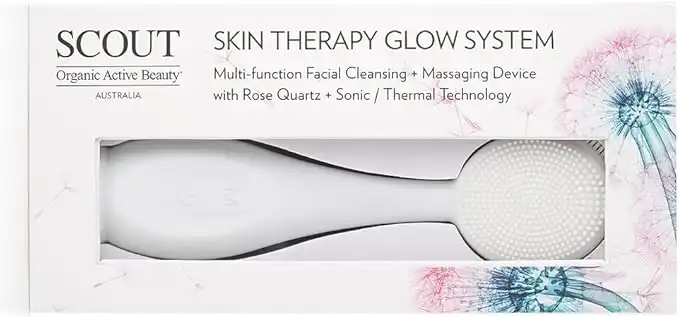
We’ll also highlight practical, reliable beauty solutions, including a carefully selected featured product available here:
Featured Beauty Solution on Amazon
Why Viral Beauty Hacks Spread So Fast
Before evaluating individual hacks, it’s important to understand why they go viral in the first place.
Most beauty hacks explode online because they offer three things:
- Instant results on camera
- Low-cost or DIY appeal
- Before-and-after transformations
However, what looks impressive in a 10-second video does not always translate into real, long-term skin improvement. Lighting, filters, editing, and short-term effects (like temporary plumping or redness reduction) often exaggerate results.
The Beauty Files approach is different: we evaluate based on skin science, safety, consistency, and long-term results.
Hack #1: Ice Water Facial Dipping (The “Glass Skin Dip” Trend)
The Claim:
Dipping your face in ice water reduces puffiness, shrinks pores, and creates instant glass skin.
What Actually Happens:
Cold exposure does cause temporary vasoconstriction, meaning blood vessels shrink. This can reduce puffiness and make skin appear tighter for a short period.
The Reality:
- Yes, it reduces puffiness temporarily
- No, it does not shrink pores permanently
- No, it does not treat acne or texture issues
The Verdict:
Effective for a quick refresh, especially in the morning, but not a long-term skincare solution.
Hack #2: Slugging (Petroleum Jelly Overnight Mask)
The Claim:
Applying a thick layer of petroleum jelly locks in moisture and transforms dry skin overnight.
What Actually Happens:
Slugging creates an occlusive barrier that prevents water loss. This is scientifically valid for hydration retention.
The Reality:
- Works well for dry or dehydrated skin
- Not suitable for acne-prone or oily skin (may clog pores for some users)
- Does not repair skin barrier on its own—only supports it
The Verdict:
Legit skincare technique, but not universally safe or effective for everyone.
Hack #3: DIY Lemon Juice for Brightening Skin
The Claim:
Lemon juice lightens dark spots and brightens skin naturally.
What Actually Happens:
Lemon juice is highly acidic (low pH) and contains citric acid, which can irritate the skin and increase photosensitivity.
The Reality:
- Can cause irritation, redness, or chemical burns
- Increases sun sensitivity, worsening pigmentation long-term
- Not dermatologically recommended
The Verdict:
This is one of the most misleading viral hacks. Avoid applying raw lemon juice on skin.
Hack #4: Toothpaste for Pimples
The Claim:
Applying toothpaste dries out pimples overnight.
What Actually Happens:
Toothpaste contains ingredients like baking soda, alcohol, and hydrogen peroxide, which can dry the skin—but also damage it.
The Reality:
- May reduce pimple size temporarily
- Often causes irritation, peeling, or dark marks
- Disrupts skin barrier balance
The Verdict:
An outdated hack with more harm than benefit. Modern acne treatments are far safer and more effective.
Hack #5: Dermaplaning at Home with Razors
The Claim:
Shaving facial hair improves skin smoothness and makeup application.
What Actually Happens:
Dermaplaning removes fine vellus hair and dead skin cells, leading to smoother texture.
The Reality:
- Safe when done properly with professional tools
- Risky if done with improper razors or poor hygiene
- Hair does not grow back thicker (myth)
The Verdict:
Effective when done correctly, but should be approached with caution.
Hack #6: Rice Water for Skin Brightening
The Claim:
Fermented rice water improves glow, reduces dark spots, and tightens skin.
What Actually Happens:
Rice water contains antioxidants, amino acids, and mild starch-based soothing properties.
The Reality:
- May improve hydration and softness
- Effects are mild and gradual
- Results vary widely depending on skin type
The Verdict:
A gentle, low-risk hack with modest benefits. More supportive than transformative.
Hack #7: Jade Rollers for Face Sculpting
The Claim:
Jade rollers reshape the face and permanently lift features.
What Actually Happens:
Massage improves lymphatic drainage and temporarily reduces puffiness.
The Reality:
- Temporary de-puffing effect
- No permanent structural changes to facial shape
- Works better when combined with skincare serums
The Verdict:
Helpful as a relaxation and circulation tool, not a sculpting device.
The Problem With Viral Beauty Culture
Across all these hacks, one pattern becomes clear:
Most viral beauty trends rely on temporary visual effects, not structural skin improvement.
Social media rewards:
- Instant gratification
- Dramatic transformation
- Easy replication
But real skincare requires:
- Consistency
- Proper ingredients
- Skin barrier protection
- Long-term routine building
This is where many people get misled—chasing hacks instead of building systems.
A Smarter Approach: What Actually Works
Instead of relying on one-off viral tricks, the most effective beauty routines focus on:
- Hydration-based skincare
- Barrier repair ingredients (ceramides, hyaluronic acid)
- Gentle exfoliation (not harsh DIY acids)
- Sun protection
- Reliable tools that support skin health
This is also where curated beauty products come in—especially those designed for consistent, safe results rather than viral hype.
One featured solution that aligns with this approach is available here:
Shop Featured Beauty Tool on Amazon
This type of product is better suited for structured skincare routines compared to risky DIY hacks, helping users achieve results through consistency rather than experimentation.
How to Evaluate Any Viral Beauty Hack
Before trying any trending beauty trend, ask these questions:
1. Is there scientific evidence or just anecdotal claims?
If it only comes from influencers, be cautious.
2. Does it damage the skin barrier?
Anything too acidic, abrasive, or drying is a red flag.
3. Is the effect temporary or long-term?
Puffiness reduction is not the same as skin repair.
4. Would dermatologists recommend it?
If professionals consistently warn against it, avoid it.
5. Does it rely on shock value?
If it looks extreme, it probably is.
Final Verdict: Do Viral Beauty Hacks Really Work?
The answer is: some do, most don’t, and many are misunderstood.
- Effective hacks: slugging, gentle dermaplaning, ice water (temporarily), jade rolling (supportive)
- Overhyped or harmful hacks: lemon juice, toothpaste, aggressive DIY treatments
- Neutral/supportive hacks: rice water, facial massage techniques
The key takeaway from The Beauty Files is simple:
If it sounds too fast, too dramatic, or too easy—it’s probably not real skincare.
True beauty results come from consistency, not virality.
Conclusion: Build a Routine, Not a Trend Cycle
Viral beauty hacks will continue to appear every week, each one promising faster results than the last. But skin health does not respond to trends—it responds to care, time, and the right ingredients.
Instead of chasing every new hack, focus on building a stable routine supported by proven methods and reliable tools. Supplement curiosity with caution, and always prioritize skin health over social media trends.
In the end, the most powerful beauty routine is not the one that goes viral—it’s the one you can maintain long enough to see real results.