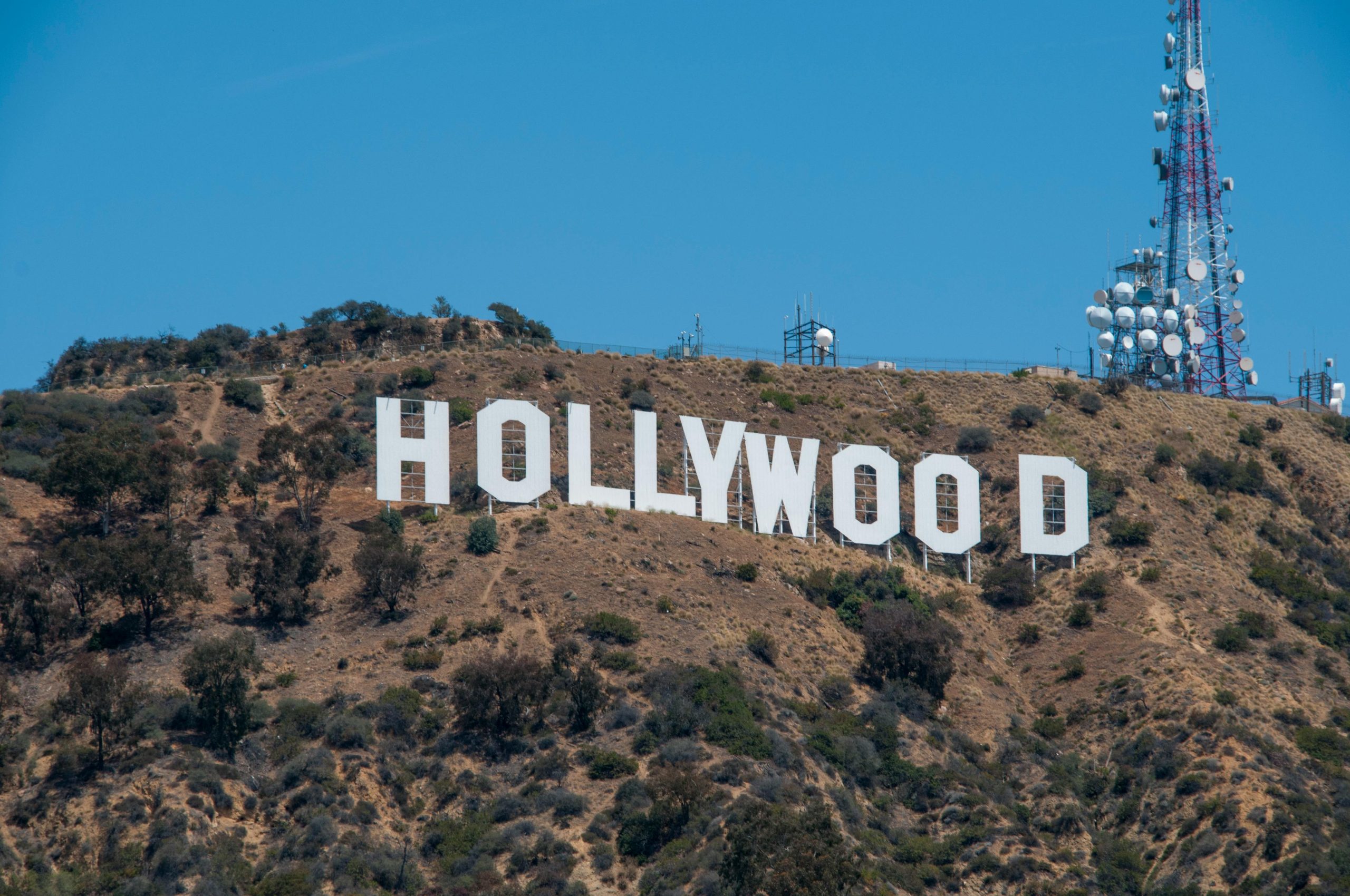
Hollywood publicity used to move at a controlled pace. Interviews were scheduled weeks in advance, magazine covers rolled out strategically, and celebrity narratives were shaped through carefully managed press cycles. In 2026, that system barely exists in its original form.
Now, celebrity teams operate inside a nonstop reaction economy where a single clip, screenshot, livestream, or offhand comment can reshape public conversation within minutes.
Publicists are no longer managing publicity alone — they are managing speed.
The rise of viral culture completely transformed how entertainment narratives spread online. Instead of waiting for official interviews or press statements, audiences now react instantly to fragments: short videos, paparazzi clips, reposted tweets, red carpet expressions, leaked audio, fan edits, and reaction memes.
By the time traditional media publishes an article, the internet has often already formed an opinion.
That shift forced Hollywood teams to become far more responsive than before. Crisis management now happens in real time because delays can allow narratives to spiral uncontrollably across multiple platforms at once.
One viral moment can trigger thousands of reaction videos, commentary posts, and speculative discussions before a publicist even finishes drafting a statement.
This creates enormous pressure behind the scenes. Celebrity teams constantly monitor social platforms, trending hashtags, fan conversations, and media coverage because public perception can change extremely quickly online. Reputation management is no longer periodic — it is continuous.
The challenge is not just visibility. It is unpredictability.
A movie premiere, interview appearance, fashion look, or award show moment can suddenly become internet discourse for reasons nobody expected. Sometimes the biggest story is not the official event itself, but a facial expression, awkward interaction, or five-second clip that audiences decide to meme repeatedly.
Publicists also face a major shift in audience behavior. Fans no longer consume celebrity culture passively. They actively participate in shaping narratives through reposts, edits, commentary threads, and viral jokes. Public perception is now partially crowdsourced by the internet itself.
This makes controlling narratives much harder than in previous decades.
Another complication is the speed of outrage cycles. Online reactions tend to escalate emotionally before full context appears, meaning celebrity teams often have to respond while information is still incomplete. Waiting too long can appear dismissive, but responding too quickly can create additional problems if details later change.
AI-generated content and deepfakes are creating even more pressure. Manipulated clips, fake audio, edited screenshots, and synthetic celebrity content blur the line between real and fabricated material, forcing publicists to address misinformation at unprecedented speed.
At the same time, celebrity visibility itself has become more complicated strategically. Constant exposure can increase backlash fatigue, so many publicists now manage scarcity more carefully. Selective appearances, limited interviews, and controlled posting often generate stronger public interest than nonstop visibility.
The role has evolved beyond promotion. Modern entertainment publicists now operate somewhere between strategist, media analyst, crisis manager, internet researcher, and brand consultant simultaneously.
And despite all the planning, internet culture remains impossible to fully predict.
A carefully organized press campaign can be ignored while an accidental moment dominates headlines for days. A polished interview may receive little attention while a blurry backstage clip generates millions of views overnight. Viral culture rewards spontaneity more than structure, which makes publicity work significantly harder to control.
Ultimately, “Why Hollywood Publicists Are Working Harder Than Ever” reflects how completely internet culture changed celebrity management. In a digital environment where narratives form instantly and reactions spread globally within minutes, managing fame is no longer about controlling publicity cycles — it is about surviving the speed of attention itself.