In today’s entertainment economy, fame is no longer just about talent or visibility—it is about momentum. A single viral moment can shift public perception, revive a career narrative, or even influence financial markets tied to celebrity branding, real estate, and endorsements. This week’s “Celebrity Power Rankings” takes a closer look at who is dominating the culture conversation and who is quietly taking financial hits behind the headlines.
From headline-making power couples to luxury real estate losses, the entertainment world continues to blur the line between pop culture influence and economic reality. Some celebrities are riding the peak of global attention, while others are navigating costly downturns that reveal how unpredictable modern fame can be.
The New Rules of Celebrity Power in 2026
Celebrity influence today is no longer measured solely by box office numbers, album sales, or TV ratings. Instead, power is defined by cultural reach: social media virality, fashion influence, brand partnerships, and the ability to dominate online conversation cycles.
A celebrity “win” now means more than success in a single project—it means owning the narrative. On the other hand, a “loss” doesn’t always mean irrelevance; it can mean financial strain, public scrutiny, or declining asset value despite fame.
This week’s rankings reflect that dual reality: cultural dominance on one side, and financial pressure on the other.
CULTURE DOMINATORS: THE CELEBRITIES WINNING THE INTERNET
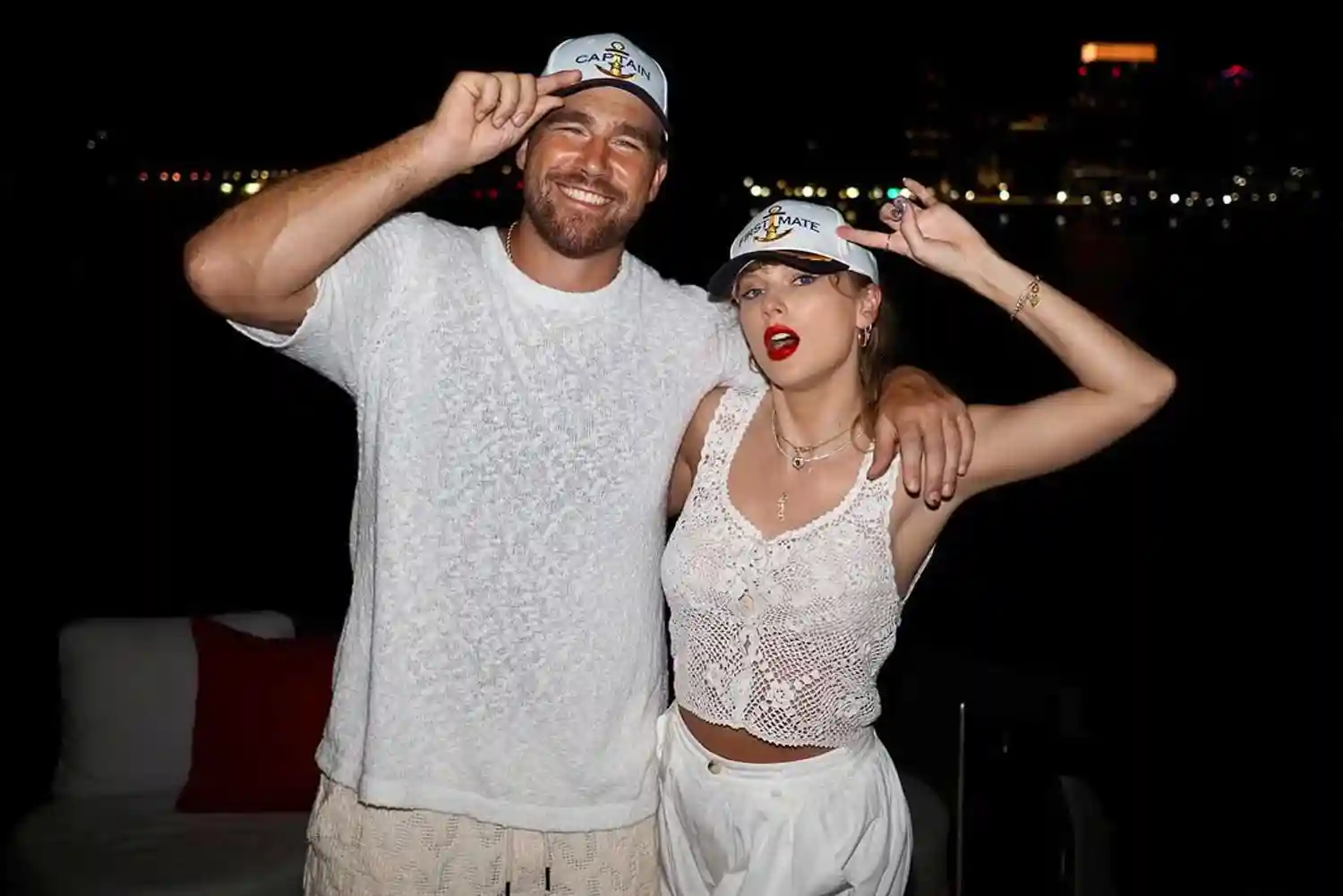
Taylor Swift and Travis Kelce: The Ultimate Pop Culture Power Couple
Few celebrity stories capture global attention like the relationship between Taylor Swift and Travis Kelce. This week, the pair once again dominated the entertainment cycle after their highly publicized wedding celebration at New York City’s Madison Square Garden reportedly became one of the most talked-about events of the year.
Whether through music, sports, or cultural symbolism, their combined influence has created a rare crossover appeal that keeps both fanbases engaged. The event was described across media platforms as a star-studded gathering, drawing A-list attendees and generating massive online discourse.
What makes their cultural dominance unique is not just their individual success, but their synergy. Taylor Swift continues to command the music industry with record-breaking tours and streaming numbers, while Travis Kelce maintains elite status in professional football and sports media visibility. Together, they represent a modern entertainment power structure where music and sports merge into one continuous media narrative.
Their presence at the center of pop culture conversations this week reinforces a larger trend: celebrity couples are now cultural institutions in their own right.
Gigi Hadid: Fashion’s Viral Moment Maker
Supermodel Gigi Hadid also secured a strong position in this week’s cultural rankings after dominating fashion headlines during the Swift–Kelce wedding event.
Her appearance in a sparkling pink beaded designer gown quickly circulated across social platforms, earning widespread praise from fashion critics and fans alike. The look was widely discussed not only for its aesthetic appeal but also for how it aligned with current luxury fashion trends emphasizing soft glamor, structured elegance, and modern romantic styling.
Hadid’s influence in fashion continues to demonstrate how models today are no longer just runway figures—they are global media personalities. Every public appearance becomes a digital fashion campaign, amplified through social media engagement and celebrity event photography.
Her consistent ability to generate viral fashion moments places her firmly in the “On the Up” category this week.
Olivia Wilde: The Interview That Rekindled the Spotlight
Actress and filmmaker Olivia Wilde made a significant cultural return this week after a series of candid interviews went viral online. Her comments revisiting past high-profile relationships and media scrutiny sparked renewed interest in her personal and professional journey.
While Wilde has long been recognized for her work in film and television, her cultural relevance often rises during periods of public conversation around her personal life. This week was no exception, as clips from her interviews circulated widely, placing her back at the center of entertainment discourse.
In today’s media environment, narrative control is everything. Wilde’s ability to re-enter the conversation on her own terms highlights how celebrity visibility is often cyclical, shaped by both professional output and public curiosity.
FINANCIAL PRESSURE POINTS: WHO IS LOSING BIG THIS WEEK
While some celebrities are thriving in cultural relevance, others are facing challenges tied to wealth management, real estate, and shifting luxury markets.
Kylie Jenner: Luxury Real Estate Meets Market Reality
Beauty mogul Kylie Jenner is experiencing a more difficult trend in the luxury property sector after reportedly reducing the asking price of her Holmby Hills estate by an additional $10 million, bringing it down to approximately $38.5 million.
The situation reflects a broader cooling in ultra-luxury real estate, where even celebrity-owned properties are not immune to market pressure. High-end buyers are becoming more selective, and properties with bold architectural styles or niche design choices—such as Brutalist-inspired estates—can take longer to sell.
Despite her continued success in the beauty and business world, this development highlights an important reality: celebrity wealth is not always liquid. Assets tied up in luxury real estate can fluctuate significantly in value depending on timing, demand, and market sentiment.
Kylie Jenner’s situation is less about personal financial distress and more about market correction—but in the world of celebrity reporting, perception often matters just as much as reality.
Bob Chapek: A High-Level Executive Facing a Costly Exit
Former Disney CEO Bob Chapek also appears in this week’s “On the Down” category after reportedly selling his Westlake Village estate at a multi-million-dollar loss compared to its original listing price.
Chapek’s case illustrates that even high-level corporate executives are not insulated from real estate volatility. The luxury housing market, particularly in California, has seen fluctuations driven by interest rates, buyer demand, and broader economic uncertainty.
While Chapek remains a significant figure in corporate entertainment history, his real estate loss adds another layer to the narrative of financial unpredictability at the top tiers of industry leadership.
WHY CULTURE AND MONEY ARE NOW INTERTWINED
One of the most interesting patterns in modern celebrity culture is the increasing overlap between cultural influence and financial performance. A celebrity’s public image can directly affect brand deals, property values, and even long-term earning potential.
For example, viral cultural dominance can elevate demand for endorsements, while negative financial headlines can impact perceived stability or market appeal. In this sense, fame operates like a currency—constantly fluctuating based on public attention.
This week’s rankings highlight that contrast clearly: while some figures are expanding their cultural footprint, others are navigating tangible financial adjustments behind the scenes.
THE POWER RANKINGS BREAKDOWN
If we summarize this week’s landscape, the hierarchy becomes clear:
At the top, Taylor Swift and Travis Kelce continue to function as a cultural engine, driving global attention across entertainment and sports.
Gigi Hadid strengthens her position as a fashion influencer capable of turning a single appearance into a worldwide trend.
Olivia Wilde demonstrates the lasting power of narrative-driven fame, where public interest can be reignited through a single interview cycle.
On the financial side, Kylie Jenner reflects the volatility of luxury assets even for top-tier entrepreneurs, while Bob Chapek’s real estate loss underscores that market pressure extends beyond Hollywood into corporate leadership circles.
FINAL THOUGHTS: FAME IS NO LONGER STATIC
Celebrity culture in 2026 is defined by movement. No one remains permanently “on top” or “on the down.” Instead, influence shifts weekly, sometimes daily, depending on media cycles, public sentiment, and financial developments.
What this week shows clearly is that cultural dominance and financial stability do not always move in the same direction. Some celebrities are winning the attention economy while others are navigating the complexities of wealth preservation in a rapidly changing market.
In the end, the modern celebrity landscape is less about who is famous—and more about who is relevant right now.