
Introduction: Why a “Diet Cleanup” Matters More Than Ever
Modern eating habits have become increasingly complicated. Supermarket shelves are filled with processed snacks, “health” products with hidden sugars, and convenient meals that often prioritize taste over nutrition. As a result, many people feel constantly tired, bloated, or stuck in cycles of low energy and cravings without fully understanding why.
A diet cleanup is not about restriction or extreme dieting. It is about simplifying your food environment so your body can function the way it is meant to. When you remove confusing, ultra-processed foods and replace them with nutrient-dense options, your energy levels, digestion, mental clarity, and even mood can improve significantly.
This guide will help you identify what supports your wellness, what silently harms it, and what you should consider removing from your pantry today. It also includes a practical featured product that can support your daily nutrition goals in a clean, simple way.
Understanding the Concept of a Clean Diet
A “clean diet” is not a trend. It refers to eating whole, minimally processed foods that your body recognizes and can efficiently use for energy and repair.
In simple terms:
- Good foods fuel your body
- Harmful foods disrupt balance
- Hidden problem foods often look “healthy” but are not
The goal is not perfection. It is awareness and better choices that compound over time.
Foods That Are Good for Your Body (Keep These in Your Pantry)
These are the foundation of a healthy, sustainable diet. They support metabolism, muscle recovery, gut health, and stable energy levels.
1. Whole Protein Sources
Protein is essential for muscle maintenance, hormone balance, and satiety.
Best options include:
- Eggs
- Chicken breast
- Fish (salmon, tuna, sardines)
- Lean beef
- Plant-based proteins like lentils and chickpeas
Protein helps reduce cravings and keeps you full longer, making it a critical part of any wellness-focused diet.
2. Healthy Fats
Healthy fats support brain health, hormone regulation, and inflammation control.
Keep these in your pantry:
- Olive oil
- Avocados
- Nuts (almonds, walnuts)
- Seeds (chia, flax, sunflower)
- Coconut oil (in moderation)
These fats are calorie-dense but extremely beneficial when consumed in balance.
3. Complex Carbohydrates
Not all carbs are bad. The key is choosing slow-digesting options that provide steady energy.
Good options include:
- Brown rice
- Oats
- Sweet potatoes
- Quinoa
- Whole grain bread (minimally processed)
These foods help stabilize blood sugar and prevent energy crashes.
4. Fruits and Vegetables
These are essential for vitamins, minerals, and antioxidants.
Stock up on:
- Leafy greens (spinach, kale)
- Berries
- Bananas
- Broccoli
- Carrots
- Bell peppers
A colorful plate often means a nutrient-rich meal.
5. Clean Protein Supplements (Smart Addition)
For busy individuals, protein supplementation can help fill nutritional gaps without relying on processed snacks.
A strong example of a clean, low-carb option is:
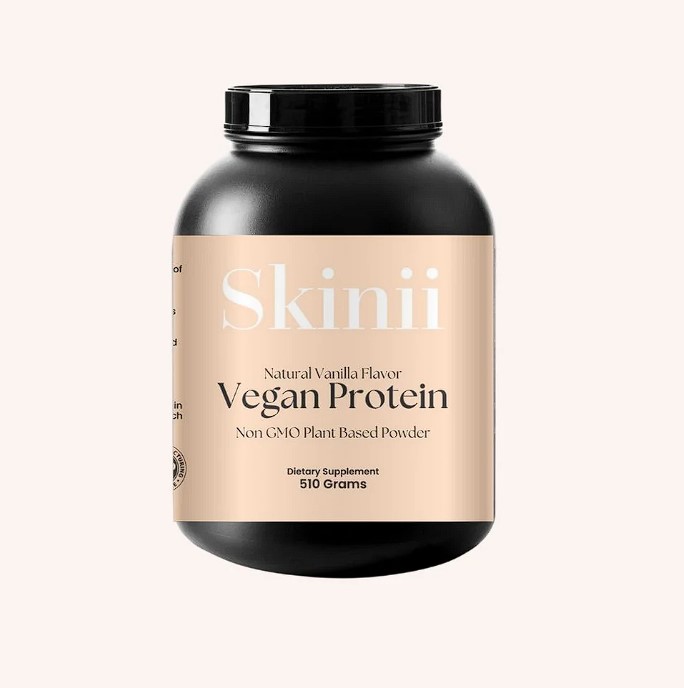
Skinii Vegan Protein Low Carb Vanilla
This type of plant-based protein can support muscle recovery, appetite control, and daily nutrition without unnecessary sugar overload. It is especially useful for people managing weight, following low-carb diets, or simply trying to improve overall eating habits in a convenient way.
Foods That Are Harmful to Your Body (Limit or Remove These)
Not all foods need to be eliminated completely, but many should be reduced significantly because they negatively affect energy, digestion, and long-term health.
1. Sugary Drinks
Soft drinks, sweetened juices, and flavored coffees cause rapid blood sugar spikes followed by crashes. Over time, this can lead to fatigue and increased cravings.
Better alternative: water, infused water, unsweetened tea
2. Ultra-Processed Snacks
These include packaged chips, cookies, and artificial snack bars.
Why they are harmful:
- High in refined sugar and oils
- Low in nutrients
- Designed to trigger overeating
They offer calories without real nourishment.
3. Refined Carbohydrates
White bread, white rice, and pastries fall into this category.
Problems include:
- Rapid blood sugar spikes
- Low fiber content
- Reduced satiety
These foods are quickly digested, leaving you hungry again soon after eating.
4. Processed Meats
Examples include hotdogs, sausages, and deli meats.
Concerns:
- High sodium content
- Preservatives
- Increased risk when consumed frequently
While convenient, they should not be daily staples.
5. “Hidden Health” Products
Many products marketed as healthy actually contain:
- High sugar alcohols
- Artificial sweeteners
- Highly processed ingredients
Always check labels carefully, especially for protein bars, flavored yogurts, and “diet” snacks.
Pantry Detox: What to Remove Immediately
A practical way to start your diet cleanup is by identifying items in your kitchen that no longer serve your health goals.
Start removing:
- Sugary cereals
- Instant noodles (frequent consumption)
- Artificial juice drinks
- Packaged desserts
- Highly processed sauces with added sugar
Replacing these items with whole foods instantly improves your dietary environment and reduces temptation.
Smart Swaps That Make a Big Difference
Instead of focusing on restriction, think in terms of upgrades:
- Soda → Sparkling water with lemon
- Chips → Roasted nuts or air-popped popcorn
- White bread → Whole grain bread
- Sugary cereal → Oats with fruit
- Milk chocolate → Dark chocolate (70% or higher)
These small swaps reduce inflammation and improve nutrient intake without making your diet feel restrictive.
How Protein Plays a Key Role in Diet Cleanup
One of the most overlooked aspects of a clean diet is protein intake. Many people consume too many carbs and fats but not enough quality protein, leading to:
- Constant hunger
- Muscle loss
- Low energy
- Sugar cravings
Adding a clean protein source daily helps stabilize your diet and reduces the need for processed snacks.
Plant-based protein supplements, especially low-carb formulas, are useful because they provide convenience without compromising nutritional goals.
Building a Sustainable Clean Eating Lifestyle
A successful diet cleanup is not about short-term discipline. It is about long-term structure.
Here are key principles to follow:
1. Keep your kitchen simple
If unhealthy food is not available, you are less likely to eat it.
2. Prioritize whole foods
The fewer ingredients, the better.
3. Don’t aim for perfection
Aim for consistency. An 80/20 balance is sustainable.
4. Read labels carefully
Marketing can be misleading. Ingredients tell the real story.
5. Focus on nourishment, not restriction
Your goal is to fuel your body, not punish it.
Final Thoughts: A Cleaner Diet Leads to a Clearer Life
Cleaning up your diet is one of the most effective lifestyle changes you can make. It impacts not only your physical health but also your mental clarity, productivity, and emotional balance.
By keeping whole, nutrient-dense foods in your pantry and removing heavily processed options, you create an environment that naturally supports better decisions.
Small, consistent changes lead to long-term transformation. Start with your pantry, simplify your choices, and focus on foods that truly nourish your body.