Netflix has built an entertainment empire around a simple promise: there is always something worth watching.
From international dramas and reality television to blockbuster films, documentaries, live events, and major sporting competitions, the streaming giant has spent years expanding what viewers can find on its platform.
But having more content does not automatically mean having better content.
As competition intensifies and audiences become increasingly selective about their subscriptions, Netflix is entering another important chapter. The company has appointed Peter Rice as its new chief content officer, placing a veteran entertainment executive in charge of a programming operation that influences billions of dollars in investment and the viewing habits of audiences around the world.
Rice officially began the role on October 26, replacing Bela Bajaria, who led Netflix’s global content organization for nearly a decade.
His assignment is not simply to commission the next hit series. It is to make sure Netflix continues producing entertainment that people consider worth paying for, while managing the financial and creative risks involved in building a global content business.
The challenge is enormous because Netflix is no longer competing only with traditional television networks or other subscription platforms. It is competing for people’s attention against social media, gaming, video platforms, live sports, and an expanding collection of entertainment options.
The next phase of Netflix’s content strategy may depend on how effectively Rice balances creative ambition with commercial discipline.
A New Executive With Hollywood Experience
Peter Rice is not entering Netflix as an unfamiliar figure in the entertainment industry.
Before joining the company, he held senior leadership positions at The Walt Disney Company and 21st Century Fox. His career included overseeing television networks, film production, entertainment studios, and major creative operations.
At Disney, Rice served as chairman of Walt Disney Television and chairman of general entertainment. His responsibilities included overseeing a broad portfolio of programming and networks, with shows such as The Bear, Abbott Elementary, Modern Family, and Only Murders in the Building among the projects associated with his leadership period.
Earlier in his career, he led Fox Searchlight Pictures, the specialty film studio behind acclaimed productions including Slumdog Millionaire, Juno, and Little Miss Sunshine.
That background is particularly relevant to Netflix’s current situation.
The company has developed a reputation for producing content across nearly every major entertainment category. However, its next challenge involves determining where additional investment can create the greatest impact.
Rice brings experience across television and film, as well as relationships with writers, directors, actors, producers, and other creative professionals.
Netflix co-CEO Ted Sarandos has emphasized Rice’s combination of creative judgment and business experience, describing him as an executive capable of managing entertainment at scale.
That combination will be important. Netflix needs programming that attracts attention, but it also needs an operation that understands how to turn creative investment into sustainable business results.
The $20 Billion Content Question
One of Rice’s biggest responsibilities will involve overseeing Netflix’s enormous content operation.
The company has been associated with an annual content spending budget of approximately $20 billion, although the exact amount can vary depending on accounting definitions, production schedules, and how spending is categorized.
That level of investment creates extraordinary opportunities, but it also creates pressure.
Every major production involves financial risk. A series may require expensive sets, international locations, large casts, visual effects, and months or years of development. A film may involve substantial talent agreements and marketing costs before audiences have even seen a trailer.
And there is no guarantee that viewers will respond.
A production can receive significant promotional attention and still struggle to become a lasting audience favorite. Another project with a smaller budget may unexpectedly become a global sensation.
This makes content planning difficult.
Netflix cannot simply spend more money and assume that more spending will produce more successful titles. It must evaluate which projects have the strongest creative potential, which audiences they are likely to reach, and whether their performance justifies the investment.
The company also needs a healthy mix of programming.
Big-budget films and ambitious series can generate attention, while documentaries, reality programs, comedy specials, licensed entertainment, and regional productions help provide variety.
The challenge is to avoid building a content strategy around expensive spectacle alone.
A successful platform needs major releases that attract new subscribers, but it also needs enough consistently appealing programming to keep existing members watching between those events.
For Rice, the question will not simply be how much Netflix spends.
It will be how intelligently that money is allocated.
The Audience Retention Battle
Netflix’s business depends on more than getting people to sign up. It must give them enough reasons to remain subscribers.
Streaming audiences have become increasingly comfortable moving between platforms. Someone may subscribe to Netflix for one highly anticipated series, switch to another service for a major release, and cancel a subscription when the content they wanted is finished.
This behavior creates a difficult environment for streaming companies.
The industry often refers to the rate at which subscribers cancel as churn. Reducing churn requires a steady supply of programming that makes viewers feel their subscription continues to provide value.
Netflix has several advantages. Its global library, recommendation technology, established franchises, and international production network provide a substantial foundation.
However, the company still needs to keep audiences engaged.
During its third-quarter 2026 earnings discussion, Netflix leadership acknowledged that U.S. viewing growth had slowed compared with expectations. Co-CEO Ted Sarandos indicated that the company believed its U.S. content execution could improve, even while international programming continued delivering encouraging results.
This is an important distinction.
A platform can have millions of subscribers and still face pressure to improve how much they watch. Subscription retention, viewing engagement, advertising opportunities, and the perceived value of the service are connected.
A popular series can bring people back to the platform, but a strong content calendar gives them reasons to stay.
Netflix must also consider the viewing habits of different audiences. Some subscribers prefer long-running dramas, others want short reality seasons, and many simply want a film they can watch without committing to another multi-season story.
The strongest content strategy recognizes that audiences do not all consume entertainment in the same way.
Rice will have to help Netflix maintain that variety while ensuring that its biggest investments create meaningful viewing opportunities.
International Hits Are One of Netflix’s Biggest Advantages
Netflix’s international content strategy has become one of its most important competitive strengths.
The platform has demonstrated that successful entertainment does not need to originate in Hollywood to attract a worldwide audience.
South Korean dramas, Spanish-language series, Japanese productions, Indian programming, and European titles have all contributed to Netflix’s global identity.
International storytelling allows the company to reach audiences with culturally specific entertainment while also creating opportunities for unexpected global hits.
A production developed for one market can eventually find viewers in dozens of countries.
This strategy is valuable because it reduces the company’s dependence on a single entertainment industry or audience.
During its third-quarter earnings discussion, Netflix leadership highlighted strong international performance, pointing to markets including India, Korea, Japan, and parts of Europe.
India was particularly notable. Netflix executives reported that viewing hours in the country increased 24% year over year during the third quarter.
That result illustrates why local programming remains strategically important.
International content can attract new audiences, strengthen regional engagement, and help Netflix compete against domestic streaming platforms that understand local tastes.
Rice will need to preserve the creative relationships and regional expertise that support this strategy.
A major risk would be treating international productions simply as cheaper alternatives to American programming. Their value comes from their individual perspectives, cultural relevance, and ability to connect with audiences.
The next global hit might come from an established production market or from a country that has not yet become a major international entertainment exporter.
Netflix needs to remain willing to take those creative risks.
Hollywood Still Matters, but the U.S. Slate Needs Attention
Although international programming is a major strength, Netflix’s American content operation remains central to its business.
The U.S. market is highly competitive, and audiences have access to an enormous selection of entertainment.
Netflix must compete with Disney+, Hulu, Amazon Prime Video, Apple TV, Max, Paramount+, traditional television, and countless other sources of content.
A major American production can also have an international effect. A successful series may become a worldwide conversation, attract new subscribers, and generate additional viewing across multiple regions.
This is one reason Sarandos has emphasized the need for stronger execution in the U.S.
Netflix leadership has indicated that its international strategy remains important, while the American slate represents an area where the company believes it can achieve greater impact.
Rice’s experience across television networks and film studios could help the company evaluate what kinds of productions deserve priority.
That does not necessarily mean returning to an older Hollywood model or abandoning Netflix’s existing approach.
It may instead involve becoming more selective about projects, strengthening creative development, and identifying productions that can generate sustained interest rather than brief promotional excitement.
A successful U.S. slate must also offer something different from competitors.
When every streaming platform is producing crime dramas, celebrity documentaries, romantic comedies, and high-budget fantasy series, simply matching the competition is not enough.
Netflix needs titles that feel distinctive.
The Competition Is No Longer Just About Streaming
The entertainment market has changed dramatically since Netflix began transforming television distribution.
Today, audiences spend significant amounts of time on platforms such as YouTube, TikTok, Instagram, and Twitch. They also spend hours playing video games, watching livestreams, following sports, and consuming short-form entertainment.
These platforms compete for the same limited resource: people’s attention.
Traditional streaming services often measure success through subscriptions and viewing engagement. But the broader entertainment ecosystem has made those measurements more complicated.
A viewer might spend an entire evening watching short videos without opening a streaming service. Another might follow a creator’s daily content more consistently than a television series.
Netflix has responded by expanding beyond traditional films and series.
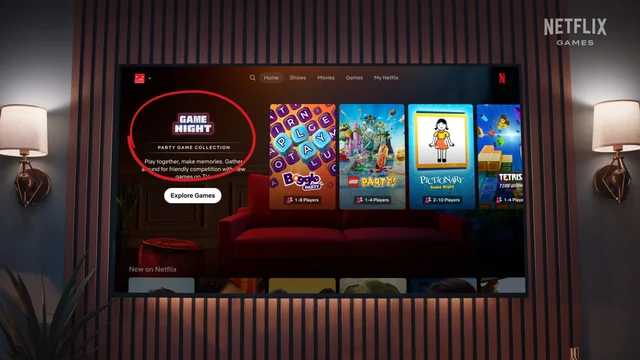
Live events, sports programming, games, and other formats have become part of its broader entertainment strategy.
These additions create new opportunities, but they also require different production expertise, partnerships, and financial decisions.
Live sports can attract large audiences at specific times. Reality television can create ongoing social conversations. Games can encourage people to interact with the platform beyond passive viewing.
However, each category has different economics and audience expectations.
Rice will have to help determine how much attention and investment each area deserves.
The company cannot pursue every entertainment trend simply because competitors are doing it. It must decide which opportunities complement its core business and which ones risk distracting from the programming that originally made Netflix successful.
The Talent Relationship Challenge
Another important part of Rice’s assignment involves maintaining relationships with the creative community.
The most successful entertainment companies depend on access to talented writers, directors, actors, producers, and production teams.
These professionals have choices about where to develop their projects.
Netflix has historically attracted creative talent by offering global distribution, substantial production opportunities, and the possibility of reaching enormous audiences.
But competition for high-profile projects is intense.
Other studios and streaming companies are investing in recognizable franchises, established creative teams, and original productions.
Rice’s experience working with creative executives and talent across different entertainment businesses could become an advantage.
His challenge will be to make Netflix a place where creators feel supported while maintaining financial expectations and production discipline.
There is a delicate balance between giving creative professionals room to develop ambitious projects and ensuring that those projects fit the company’s broader strategy.
Too much interference can discourage creativity. Too little financial oversight can lead to expensive productions that fail to connect with audiences.
The strongest content organizations need both creative trust and clear business objectives.
What Success Could Look Like Under Peter Rice
It is too early to know exactly how Rice will reshape Netflix’s programming priorities.
Much of the content arriving over the next several years is already in development or production. Changes in commissioning decisions will take time to become visible on the platform.
However, several areas will offer clues about the direction of his leadership.
First, viewers may see a stronger emphasis on selecting distinctive projects rather than pursuing volume for its own sake.
Second, Netflix will need to maintain the international production strategy that has become a major competitive advantage.
Third, the company will have to improve the consistency of its American programming while protecting the variety that makes its global library appealing.
Finally, its approach to live entertainment, licensing, films, and television will reveal how Rice balances established strengths with newer opportunities.
Success should not be measured by one major release or a single quarter of impressive viewing numbers.
It will require a sustainable pattern of programming that attracts attention, supports subscriber retention, and creates value across different markets.
The ultimate test will be whether Netflix can continue making entertainment that people actively look forward to watching.
The Next Netflix Era Is About More Than Bigger Hits
Peter Rice has inherited a powerful entertainment business, but the expectations surrounding the role are considerable.
Netflix has already demonstrated that it can distribute stories across the world, invest in productions across multiple languages, and transform relatively unfamiliar titles into international successes.
Its next challenge is making those strengths work together more efficiently.
The company must decide when a major production deserves a substantial investment, when a smaller project has the potential to become a surprise hit, and how to maintain a library that remains relevant to audiences with different tastes.
It must also compete with a changing entertainment environment in which streaming subscriptions are only one part of how people spend their free time.
Rice’s experience suggests that he understands both the creative and commercial sides of the business. Whether that experience translates into stronger programming and improved engagement will become clearer as his leadership takes effect.
For viewers, the outcome may eventually appear in the form of better films, more memorable series, and fewer releases that disappear from conversation almost immediately.
For Netflix, the stakes are much larger.
The company does not simply need another hit.
It needs to prove that its enormous content investment can continue delivering the entertainment value that keeps audiences choosing Netflix, month after month.
And in an industry where attention is increasingly difficult to hold, that may be the most expensive challenge of all.
References
- Netflix — Peter Rice Named Chief Content Officer
- Reuters — Netflix Names Former Disney Executive Peter Rice as New Content Chief
- TheWrap — Netflix’s Content Leadership Change and Its Implications
- Variety — Ted Sarandos Addresses Netflix’s Content Leadership Shake-Up
- Variety — Netflix’s U.S. Viewing Slowdown and Content Strategy
- Variety — Netflix’s International Content Strategy
- Netflix Investor Relations