In the digital age, a celebrity’s presence on social media is often viewed as their lifeblood. It is the bridge between the persona and the public, a 24/7 broadcast of curated intimacy. So, when the biggest pop star on the planet—a man who has spent years dominating global streaming charts—suddenly hits the “kill switch” on his digital identity, the world doesn’t just notice. It vibrates.
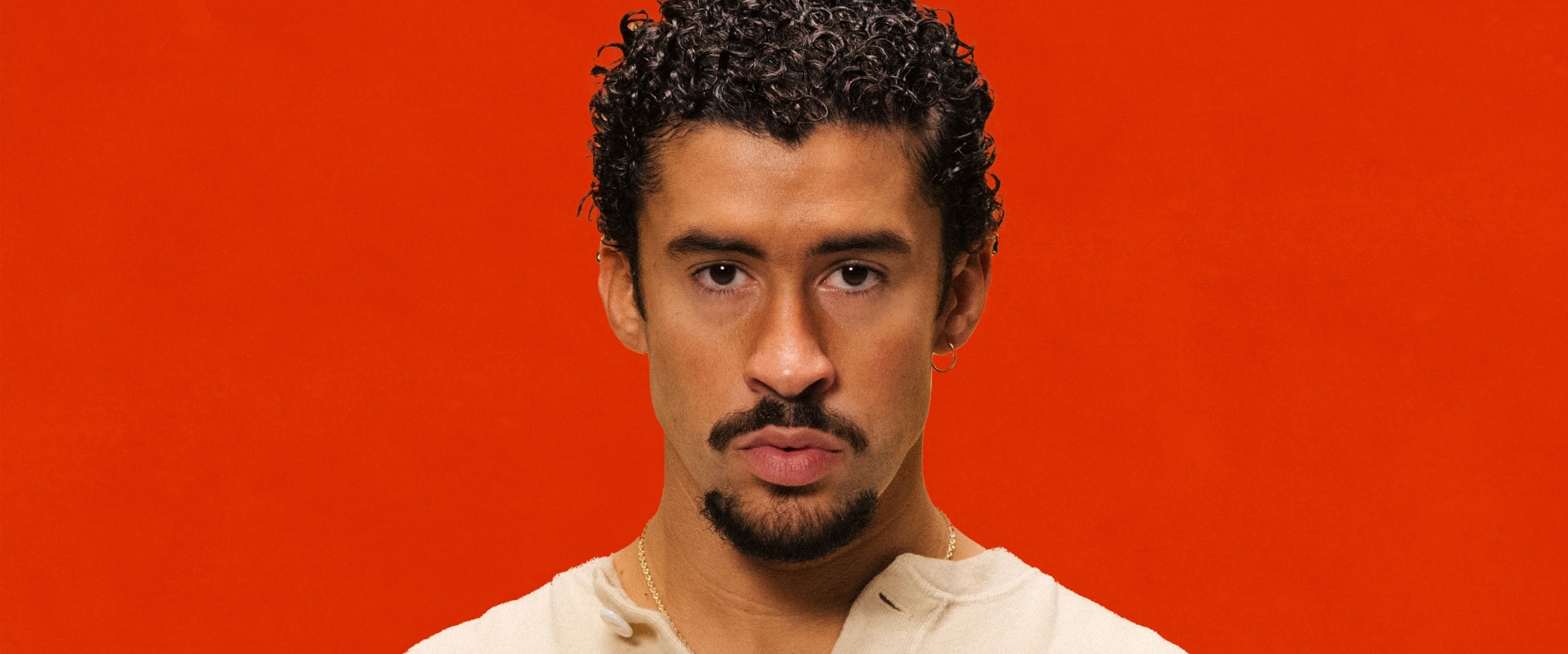
Following his historic, yet fiercely debated, Super Bowl LX performance at Levi’s Stadium on February 8, 2026, Bad Bunny (Benito Antonio Martínez Ocasio) did the unthinkable: he wiped his Instagram clean. No farewell post, no explanatory Story, no PR-approved statement. Just a blank grid, a removed profile picture, and a following count that dropped to zero.
In an era defined by the “Reaction Cycle,” where every move is expected to be met with an immediate explanation, Bad Bunny chose the one thing the internet cannot handle: silence. And in doing so, he turned a moment of intense cultural backlash into a masterclass in modern power. Silence, it seems, has become the loudest PR move of 2026.
The Performance That Broke the Internet
To understand the deletion, you have to understand the firestorm that preceded it. Bad Bunny’s halftime show was never going to be “just” a concert. As the first solo Latino artist to headline the Super Bowl performing almost entirely in Spanish, the stakes were political before he even hit the stage.
The set was an exuberant, uncompromising tribute to Puerto Rican identity. From the replica of a LUMA Energy light post—a biting nod to the island’s ongoing power crisis—to the “La Casita” set filled with Latin American icons like Lady Gaga, Ricky Martin, and Pedro Pascal, Benito didn’t just perform; he occupied the space. He brought the Caribbean to Northern California, refusing to provide subtitles for a 13-minute set that featured flags from across the Americas and a clear message: “America” is a continent, not just a country.
The reaction was instantaneous and polarized. On one side, millions hailed it as a revolutionary moment for Latino representation. On the other, the backlash was seismic. High-profile critics, including President Donald Trump, took to social media to blast the show, with Trump calling it a “slap in the face” to the country and criticizing the lack of English lyrics. For many in the “MAGA” sphere, the performance was a bridge too far, leading to the viral rise of a counter-programmed “All-American Halftime Show” featuring Kid Rock.
The Power of the “Dark Grid”
Usually, when a celebrity faces this level of heat, the playbook is predictable. You release a statement. You post a series of “behind-the-scenes” photos to show how hard you worked. You have your team leak a story about your “true intentions.” You engage with the cycle to try and steer the narrative.
Bad Bunny did the opposite. By deleting his Instagram, he effectively removed the target. You can’t leave hate comments on a post that doesn’t exist. You can’t “ratio” a blank profile. By retreating into the “Dark Grid,” he forced the public to sit with the performance itself rather than the social media fallout.
This is a shift in how viral behavior is managed. In 2026, we are beginning to see that the best way to win a game of digital “capture the flag” is to take the flag and go home. Benito’s silence isn’t a retreat; it’s a refusal to participate in a cycle that demands he defend his existence. He isn’t asking for an explanation of the hate, and he isn’t offering an explanation for his art. He is letting the work stand on its own—messy, political, and loud.
Reaction vs. Reflection: The Benito Paradox
This move perfectly illustrates the core tension of our current cultural moment: the struggle between reaction and reflection. The internet reacted with lightning speed—memes, outrage, boycotts, and praise were all generated before the fourth quarter even started. But by deleting his presence, Bad Bunny is forcing a moment of reflection.
When the noise of the comments section is silenced, what are we left with? We are left with the memory of the sugar cane fields on the 50-yard line. We are left with the image of Lady Gaga dancing salsa. We are left with the uncomfortable, necessary conversation about what it means to be “American” in 2026.
The deletion is “Peak Reset Behavior.” It signals that the artist knows he “broke the internet” and is now choosing to let it stay broken. It’s a move of immense privilege, yes—only someone with 50 million followers can afford to ignore them—but it’s also a move of immense artistic integrity. It says that the music and the message are more important than the “likes” they generate.
The Future of Celebrity Silence
As we watch other artists and public figures, we may see more of this. The “Blackout” is becoming a standard tool for those who realize that constant accessibility is a trap. In a world where every tweet is a potential landmine, the only safe ground is the one you don’t stand on.
Whether this is a permanent exit or a “blank slate” before a new album announcement (rumors are already swirling about his next project, Debí Tirar Más Fotos), the impact is the same. Bad Bunny has reclaimed the narrative by refusing to provide one. He has proven that in the loudest era of human history, the most effective way to be heard is to stop talking.
The fallout from Super Bowl LX will continue for weeks. The political debates will rage on cable news, and the “All-American” counter-movements will claim their victories. But Benito won’t be there to hear it—at least not on his grid. He’s moved on to the next act, leaving us to talk to ourselves in the silence he left behind.