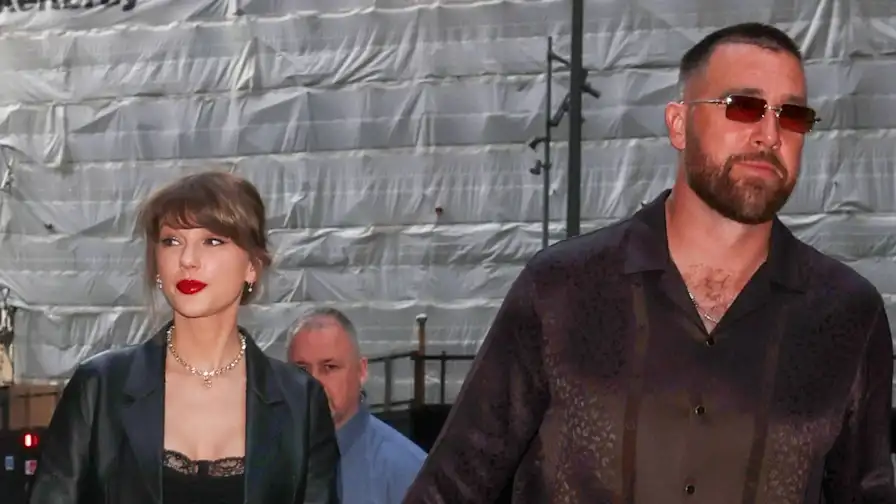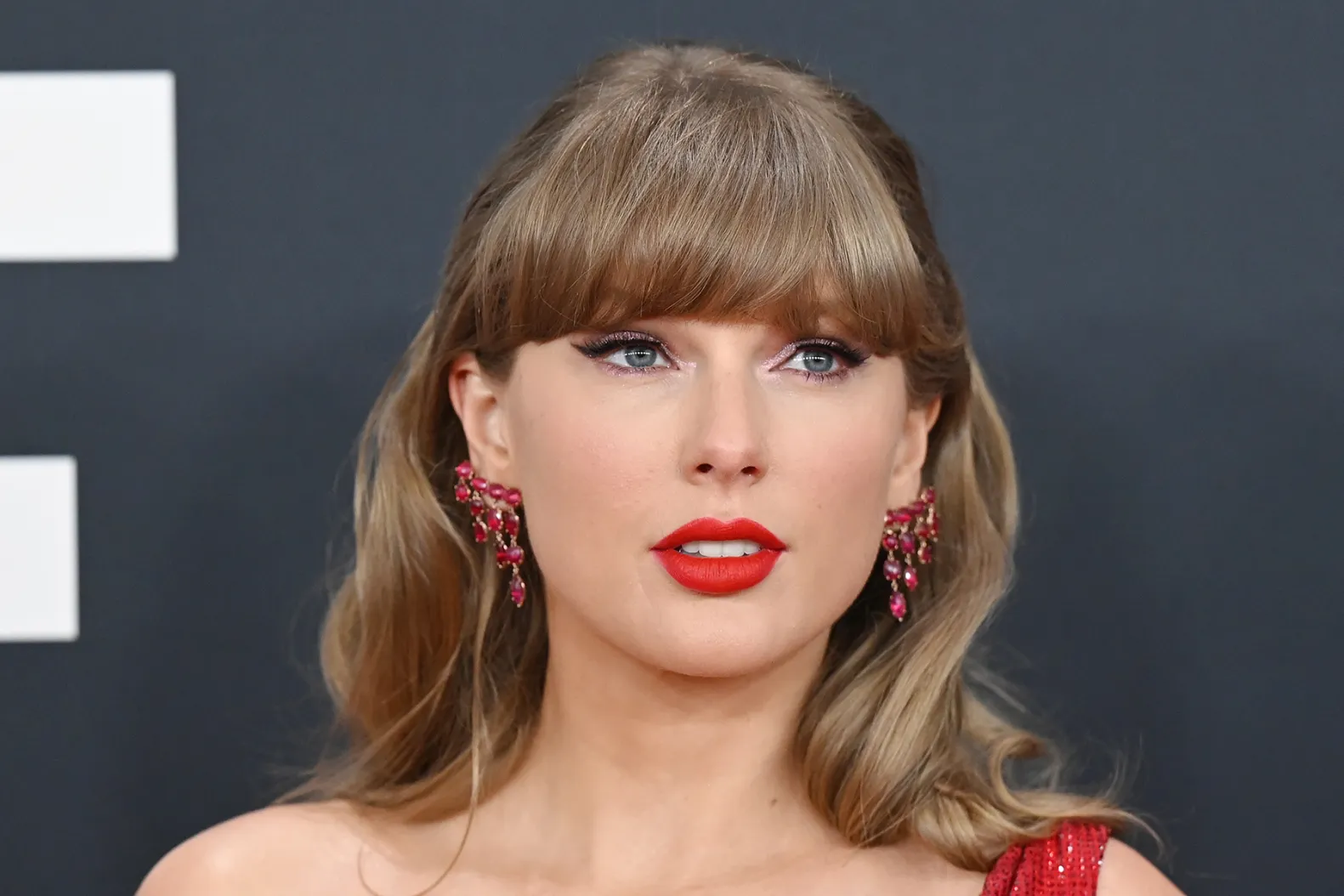
Celebrity timelines are disappearing—quietly, quickly, and deliberately. Old tweets vanish overnight. Instagram grids are wiped clean. TikTok archives are emptied without explanation. In an era where nothing was supposed to be erasable, celebrities are scrubbing their digital footprints more aggressively than ever, and the speed of these rebrands signals something deeper than simple image control.
This isn’t nostalgia cleanup. It’s survival strategy.
Platforms like X and Instagram have turned archives into liabilities. What once felt authentic—unfiltered jokes, casual opinions, messy self-expression—now exists permanently, searchable and context-free. As online discourse grows less forgiving, celebrities understand that their past selves can be weaponized against their present ones.
Rebrands now happen overnight because attention moves faster than accountability cycles. A deleted feed creates a visual reset. It signals a new chapter without requiring an explanation. Silence does the work. Fans wake up, notice the wipe, and instinctively assume growth, reinvention, or strategy. In many cases, they’re right.
We’ve seen this pattern repeat with figures like Taylor Swift, who has famously cleared her social media before major career shifts, and Ariana Grande, whose digital presence has evolved dramatically as her public identity matured. More recently, younger stars raised online are editing themselves retroactively—removing content created before fame made every post permanent.
What’s changed is the cultural memory of the internet. Audiences no longer treat old posts as historical artifacts; they treat them as current character evidence. Context collapses. Humor ages poorly. Values shift. Celebrities are responding by limiting what can be reinterpreted.
On TikTok, where parasocial closeness is currency, deletion is especially striking. TikTok encourages intimacy and immediacy, but that same closeness creates vulnerability. Deleting old videos allows celebrities to control tone, distance, and narrative—deciding how much access the public gets now, not five versions of themselves ago.
There’s also a branding layer. Celebrities are no longer just personalities; they’re media companies. Endorsements, partnerships, and contracts depend on perceived alignment. A single resurfaced post can threaten millions in brand value. Digital hygiene has become part of professional maintenance, not vanity.
Critics often interpret deletions as evasive or inauthentic. But that criticism assumes people are obligated to remain frozen in past versions of themselves. In reality, celebrities are modeling something many everyday users already do: curating boundaries. The difference is scale.
Deleting an online self doesn’t erase history—it reframes it. It shifts focus away from archived chaos and toward controlled presence. In a culture obsessed with accountability, deletion is not denial; it’s prioritization. Celebrities are choosing which versions of themselves are still relevant.
What we’re witnessing is a new relationship with permanence. Fame used to reward accumulation—more posts, more access, more visibility. Now, restraint signals power. Minimalism reads as intention. Absence creates intrigue.
Ultimately, celebrities aren’t deleting because they’re afraid of the past. They’re deleting because they understand the present. The internet no longer forgets—but it does reward clarity. And in an age of constant surveillance, choosing what not to show has become the most strategic move of all.