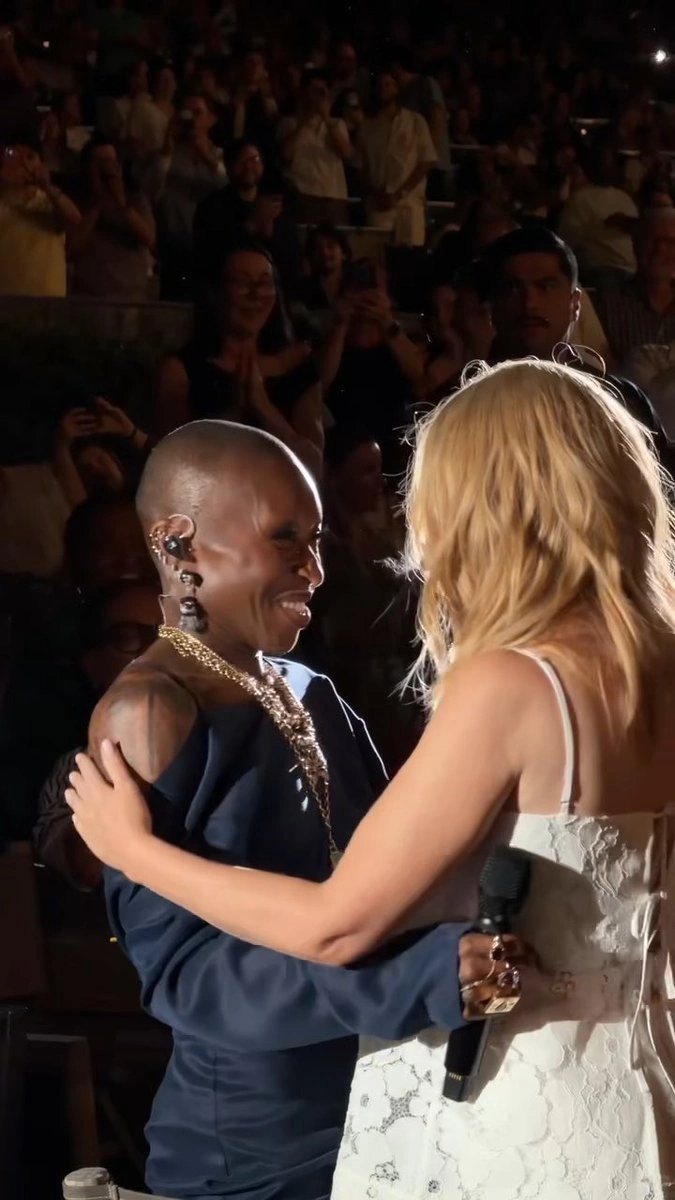
In the age of constant online commentary, silence can feel unusual. Social media encourages immediate responses, and audiences often expect public figures to address controversies as soon as they arise. Yet many celebrities choose the opposite approach. Instead of reacting instantly, they remain quiet — sometimes for days or even weeks. This silence is rarely accidental. More often, it is a deliberate strategy designed to manage both public perception and real-world consequences.
One of the main reasons celebrities stay quiet during controversy is control. Responding quickly to criticism or accusations can lead to emotional statements that later create larger problems. Public reactions posted in frustration or anger can be misinterpreted, amplified, and circulated endlessly online. By choosing silence, celebrities give themselves time to evaluate the situation and decide on the most effective response.
Silence also allows narratives to settle. When a controversy first emerges, information is often incomplete or distorted. Early reactions from fans, media outlets, and commentators may rely on speculation rather than facts. If a celebrity responds too soon, they risk addressing details that later change or become irrelevant. Waiting allows their team to gather accurate information and prepare a message that reflects the full context of the situation.
Another important factor is legal advice. Many controversies involve potential legal consequences, whether they relate to contracts, business partnerships, or personal disputes. Lawyers frequently advise clients not to comment publicly while matters are being reviewed. A statement made on social media can easily become evidence or complicate ongoing negotiations. In these situations, silence is not only strategic but necessary.
Public relations teams also play a major role in shaping how celebrities respond to controversy. These teams analyze how audiences are reacting, how media coverage is evolving, and whether the issue is gaining or losing attention. In some cases, responding immediately may intensify the situation by drawing more attention to it. Allowing time to pass can sometimes reduce public interest, especially in an online environment where trends change rapidly.
The speed of internet culture makes silence particularly powerful. Online outrage often peaks quickly and then fades as new stories emerge. When a celebrity avoids reacting to every criticism, the conversation sometimes loses momentum. Audiences move on to the next trending topic, and the original controversy becomes less visible. In this sense, silence can function as a form of de-escalation.
However, silence does not mean inaction. Behind the scenes, celebrities and their teams are often working actively to manage the situation. They may be consulting legal advisors, coordinating with publicists, or preparing future statements. Sometimes they are also reaching out privately to individuals involved in the situation. These efforts are rarely visible to the public, which can create the impression that nothing is happening.
Silence can also communicate intention. In certain situations, choosing not to respond publicly signals that a celebrity does not want to give further attention to a rumor or minor controversy. By refusing to engage, they avoid validating claims that may not be accurate or important. This approach can protect their reputation by preventing small issues from becoming major narratives.
At the same time, silence carries risks. Audiences may interpret the lack of response as avoidance or guilt. Without an official explanation, speculation can grow. Fans and critics alike may fill the gap with their own interpretations of what the silence means. Because of this, many celebrities eventually issue a statement once the initial reaction has cooled.
Timing therefore becomes critical. Responding too quickly can escalate a situation, but waiting too long may appear dismissive. The challenge for celebrities is finding the moment when a statement will clarify the situation without reigniting unnecessary attention. Experienced public relations teams carefully monitor public sentiment to determine when that moment arrives.
Modern celebrity culture also places unique pressure on public figures to share personal thoughts constantly. Audiences often expect transparency, authenticity, and emotional openness. While these qualities can strengthen connections with fans, they can also make controversy more complicated. When people feel personally connected to a celebrity, they expect explanations during difficult moments. Silence can therefore feel surprising or even frustrating.
Despite these expectations, many celebrities recognize that not every situation benefits from immediate commentary. Strategic quiet can create space for thoughtful responses, reduce impulsive communication, and prevent minor controversies from growing unnecessarily. In an environment where every word can be analyzed and repeated endlessly, restraint can be a powerful form of communication.
Ultimately, silence during controversy reflects the complex relationship between celebrities, media, and audiences. What may appear to be avoidance is often a calculated effort to manage information, protect legal interests, and control the narrative. While statements attract attention, silence can shape perception just as strongly.
In many cases, the absence of words speaks clearly. It signals caution, strategy, and awareness of how quickly public opinion can shift. For celebrities navigating the constant spotlight, knowing when to remain silent can be just as important as knowing when to speak.