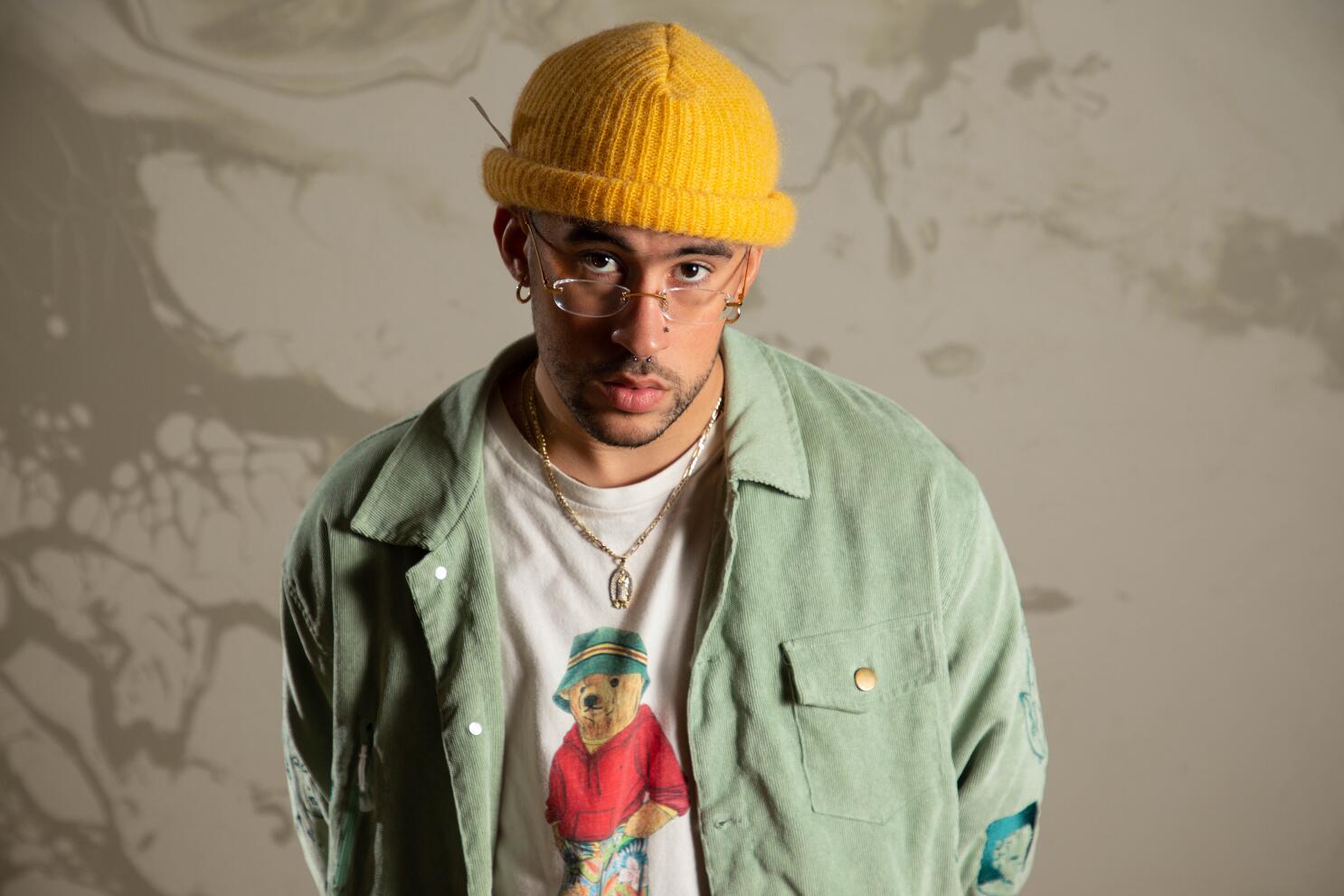
When Bad Bunny trends in 2026, it is no longer always tied to a release, a performance, or a clear public statement. Increasingly, it’s tied to something simpler—and more volatile: absence. The less he posts, the more the internet talks. Silence, in this case, doesn’t reduce attention. It amplifies it.
In a culture shaped by constant visibility, silence functions like a disruption signal. Most public figures operate within an expectation of continuous micro-communication—updates, reactions, appearances, or at least passive engagement through content. When that flow stops, even briefly, the system fills the gap on its own. And what it fills it with is speculation.
That’s why “no posts = more speculation” has become a recognizable pattern. Without new material to anchor interpretation, audiences begin constructing their own narratives. They revisit older clips, analyze timing gaps, and connect unrelated moments into evolving theories. The absence of information doesn’t pause attention—it redirects it inward.
This dynamic is especially strong for artists like Bad Bunny, whose global presence spans multiple audiences, languages, and platforms. His influence is already distributed across different cultural spaces, which means silence doesn’t create one unified response—it creates many parallel ones. Each audience segment fills the gap differently, generating overlapping interpretations that amplify visibility rather than reduce it.
What makes silence powerful in this context is contrast. Against a backdrop of constant posting, streaming, and real-time commentary, choosing not to engage feels deliberate even when it may not be. The internet tends to interpret absence as meaning, even when none is intended. That interpretive pressure turns inactivity into narrative fuel.
The result is a feedback loop. Silence generates attention, attention generates discussion, and discussion reinforces the perception that something significant must be happening behind the scenes. Even without confirmation, the conversation sustains itself through repetition and reinterpretation across platforms.
This doesn’t just apply to celebrity culture—it reflects a broader shift in how attention behaves. In an always-on environment, presence is assumed and absence becomes notable. The less frequently someone participates in the feed, the more weight their silence carries.
Ultimately, “Why Bad Bunny Going Quiet Is Loud” isn’t about a specific event—it’s about how modern visibility works. In 2026, attention doesn’t only follow what is said or shown. It also follows what is missing. And sometimes, not speaking becomes the most discussed action of all.