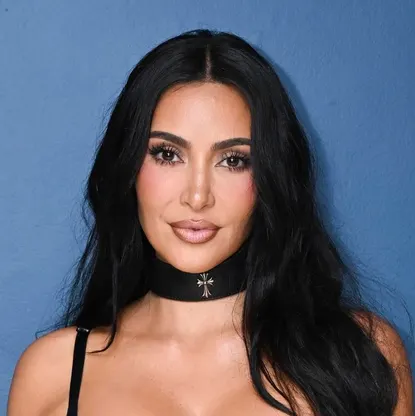
The enduring cultural magnetism of Kim Kardashian in May 2026 remains one of the most significant case studies in modern media psychology, proving that her ability to spark global debate is not a matter of luck, but a masterclass in strategic visibility. As we navigate today’s headlines, Kim continues to dominate the narrative by operating at the intersection of extreme luxury and vulnerable humanity, a duality that keeps her relevant in an era of “social media fatigue.” Whether she is revealing a new, ultra-minimalist monochromatic living room that polarizes interior designers or quietly stepping into a co-founder role for a science-based energy drink brand like UPDATE, every move is calculated to challenge existing norms. In 2026, her influence has transcended reality TV, positioning her as a “hot dictator of taste” whose personal choices—from her five-month romance with Lewis Hamilton to her public struggles with the California bar exam—serve as mirrors for broader societal anxieties about success, love, and the performance of motherhood. The “Kim Kardashian” brand succeeds because it effectively bypasses the traditional feed algorithms; her life is a decentralized news cycle that users feel compelled to “deconstruct,” turning her very womanhood into a cipher for debates on female empowerment, wealth disparity, and the ethics of the creator economy.
Furthermore, the reason “Why Everything Kim Does Becomes a Conversation” is rooted in her evolution from a socialite into a shrewd, multi-billion dollar entrepreneur who understands the mechanics of “presuasion” better than any marketing firm. In 2026, her brands like SKIMS and her latest venture into functional wellness are not just selling products; they are selling a lifestyle of “intentional discipline” that aligns with the current “Skin-First” and “Clean Girl” aesthetics. By intentionally staying low-key in high-stakes moments—such as her recent beach outings with Lewis Hamilton or her hands-on approach to product formulation—she creates a vacuum of information that the public is eager to fill with speculation. This “proximity without the feed” strategy, often executed through exclusive broadcast channels and “hidden content,” allows her to maintain an air of exclusivity while remaining ubiquitous. Even as audiences claim to be “over” celebrity culture, the Kardashian strategy thrives on this very cynicism, turning every critique into a new data point for engagement. In a world of “AI slop” and synthetic noise, Kim remains a source of authentic, albeit highly curated, human drama that demands a reaction. As we look at the 2026 media landscape, her ability to pivot from a glamorous icon to a “defeated” mother or a “genius” business mogul ensures that she is never just a topic of conversation, but the conversation itself—a permanent fixture in the digital town square who proves that in the attention economy, the most valuable currency is the ability to be perpetually debated.