Introduction: The Truth About Modern “Diet Hacks”
Everywhere you look online, there is a new “diet hack” promising fast weight loss, better energy, and instant transformation. From detox teas to low-calorie frozen meals and viral TikTok food trends, the wellness industry is overflowing with advice that sounds healthy—but often isn’t.
The problem is not just misinformation. It is the normalization of processed “health foods” that are quietly undermining your energy, metabolism, and long-term wellness goals.
This article breaks down the most common diet hacks people trust, exposes what is actually going on behind the labels, and shows you what to avoid versus what to prioritize for real, sustainable wellness.
The Illusion of “Healthy” Diet Hacks
Modern diet culture has created a dangerous illusion: if something is labeled “low fat,” “sugar free,” or “keto,” it must be healthy.
In reality, many of these products are ultra-processed, chemically engineered, and designed to trigger cravings rather than satisfy hunger.
Here are the most common misleading diet hacks:
- Low-calorie packaged snacks
- Artificial sugar replacements
- Detox teas and cleansing drinks
- Meal replacement shakes marketed as “complete nutrition”
- Fat-free processed foods loaded with sugar
These products often look like shortcuts to health, but they usually work against your body’s natural balance.
Diet Hack #1: “Low Fat” Foods Are Not Your Friend
For decades, “low fat” was marketed as the ultimate weight-loss solution. However, when manufacturers remove fat, they often replace it with sugar, starch, and additives to maintain flavor.
This leads to:
- Increased cravings
- Blood sugar spikes
- Reduced satiety (you feel hungry faster)
- Overeating later in the day
Instead of supporting fat loss, many low-fat products actually make it harder to control appetite.
Better Approach:
Focus on whole foods with natural fats such as eggs, nuts, olive oil, and lean proteins. These support hormone balance and longer-lasting energy.
Diet Hack #2: Detox Teas Are Mostly Marketing
Detox teas are one of the most aggressive wellness marketing trends online. They claim to “flush toxins” and promote rapid weight loss.
The truth is simple: your liver and kidneys already detox your body naturally.
Most detox teas work by acting as diuretics or laxatives, which leads to temporary water loss—not fat loss.
Risks include:
- Dehydration
- Electrolyte imbalance
- Digestive issues
- Energy crashes
Better Approach:
Support your body’s natural detox systems with hydration, fiber-rich foods, and consistent sleep patterns.
Diet Hack #3: Protein Bars Aren’t Always Healthy
Protein bars are marketed as fitness-friendly snacks, but many are closer to candy bars than real nutrition products. They often contain:
- Artificial sweeteners
- Sugar alcohols
- Processed protein isolates
- Fillers and preservatives
While convenient, they can still trigger sugar cravings and digestive discomfort.
Better Approach:
Choose cleaner supplements or whole-food protein sources.
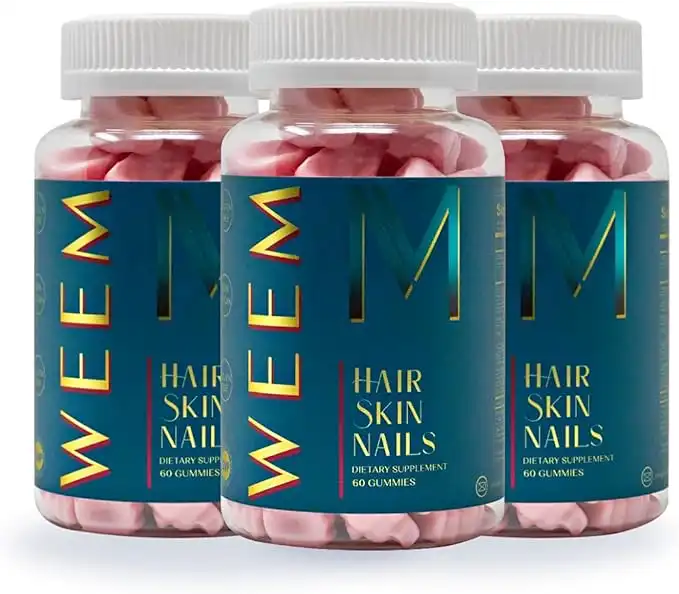
Featured Wellness Alternative Product
If you are looking for a more balanced approach to wellness support and lifestyle improvement, this featured option is commonly used as part of a modern health routine:
WEEM Hair Skin and Nails Gummies
Instead of relying on highly processed “diet hacks,” focus on consistent wellness habits supported by reliable tools and products that fit into a long-term lifestyle rather than a short-term fix.
Diet Hack #4: Meal Replacement Shakes Are Not Real Meals
Meal replacement shakes are marketed as complete nutrition solutions. While they can be useful occasionally, relying on them daily can create nutritional gaps.
Common issues include:
- Lack of fiber
- Artificial ingredients
- Over-reliance on synthetic vitamins
- Reduced chewing satisfaction (which affects satiety signals)
Over time, this can disrupt natural eating habits.
Better Approach:
Use whole-food meals as your foundation and reserve shakes for convenience only.
Diet Hack #5: “Sugar-Free” Does Not Mean Healthy
Sugar-free products often replace sugar with artificial sweeteners like aspartame, sucralose, or sugar alcohols.
These may:
- Confuse hunger signals
- Increase cravings for sweet foods
- Cause bloating or digestive issues in some individuals
The brain still responds to sweet taste, which can reinforce sugar dependency patterns.
Better Approach:
Reduce sweetness gradually instead of replacing sugar with chemical alternatives.
Diet Hack #6: Frozen Diet Meals Are Highly Processed
Frozen “diet meals” are convenient, but many are heavily processed to extend shelf life and enhance flavor.
They often contain:
- High sodium levels
- Preservatives
- Low-quality oils
- Limited fresh nutrients
While they may fit calorie goals, they do not always support optimal health.
Better Approach:
Prepare simple home-cooked meals using whole ingredients whenever possible.
The Hidden Problem: Marketing vs Reality
The biggest issue with modern diet hacks is not individual ingredients—it is the marketing system behind them.
Food companies often use terms like:
- “Natural”
- “Clean”
- “Keto-friendly”
- “High protein”
- “Fat burning”
These labels create a health illusion while the actual ingredient list tells a different story.
Reading labels carefully is one of the most powerful wellness habits you can develop.
What You SHOULD Focus On Instead
Instead of chasing diet hacks, focus on sustainable wellness principles:
1. Whole Foods First
Eat foods with minimal processing.
2. Protein Consistency
Maintain steady protein intake for energy and satiety.
3. Fiber-Rich Diet
Support digestion and gut health.
4. Hydration
Water plays a critical role in metabolism and energy.
5. Sleep Quality
Poor sleep directly affects hunger hormones.
Why Quick Fix Diet Hacks Fail Long-Term
Most diet hacks fail because they are not designed for sustainability. They rely on restriction, artificial manipulation, or temporary water loss.
The human body adapts quickly, which is why short-term diets often lead to rebound weight gain or fatigue once stopped.
Long-term wellness comes from consistency, not shortcuts.
The Psychology Behind Diet Trends
Diet trends go viral because they promise control in an uncontrolled world. People want fast results, minimal effort, and visible transformation.
However, real health is not instant. It is built through small, repeated habits that support your body over time.
Understanding this psychology helps you avoid falling into marketing traps.
Final Thoughts: Choose Real Wellness Over Marketing Trends
Not every “diet hack” is dangerous, but many are unnecessary and misleading. The goal is not to reject all modern wellness products—it is to learn how to choose wisely.
Avoid anything that:
- Promises rapid transformation
- Relies heavily on artificial ingredients
- Replaces real food completely
- Sounds too good to be true
Focus instead on real nourishment, consistency, and sustainable habits.
When you shift your mindset from quick fixes to long-term wellness, everything changes—not just your diet, but your energy, mood, and lifestyle.
Conclusion
The wellness industry is full of noise, but clarity comes from simplicity. Real health is not found in a bottle, a tea, or a trending diet hack. It is built daily through balanced eating, mindful choices, and awareness of what truly fuels your body.
Choose wisely, read labels carefully, and prioritize long-term wellness over short-term trends.