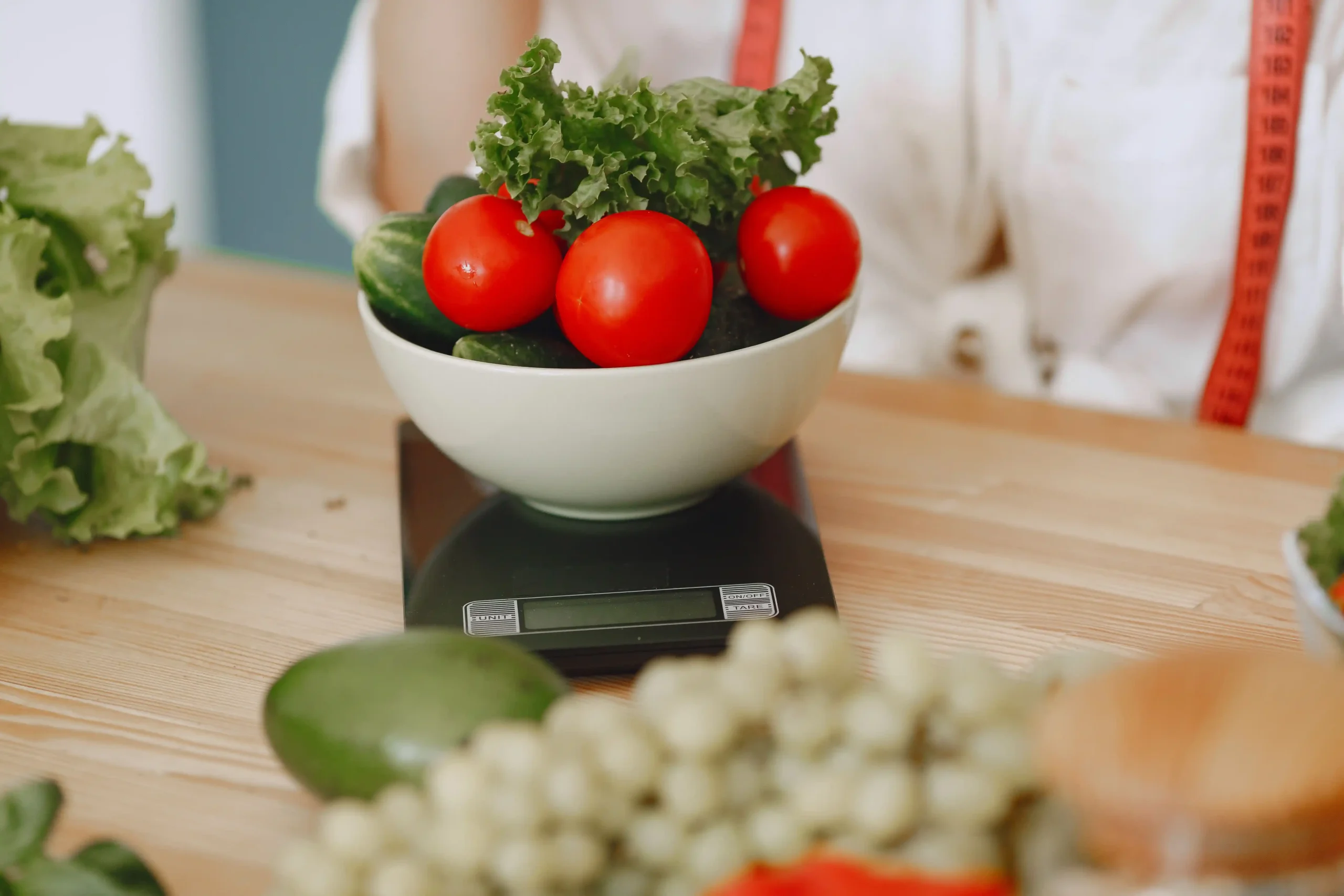
Eating healthier does not always require a strict diet, complicated meal plan, or a complete lifestyle makeover. Sometimes, better wellness starts with something much simpler: taking a closer look at what you eat every day and what you keep in your pantry. The foods and drinks that are always within reach can have a significant influence on your eating habits, energy, weight management goals, and overall wellness.
With grocery store shelves filled with products labeled “natural,” “low-fat,” “sugar-free,” “high-protein,” and “healthy,” knowing what is actually worth buying can be confusing. Some products can be helpful additions to a balanced diet, while others may contain more added sugar, sodium, refined carbohydrates, or highly processed ingredients than you realize.
That is why learning a few practical diet hacks for better wellness can make healthy eating easier. Instead of following extreme food rules, you can focus on making smarter everyday choices, replacing less nutritious products, and creating a pantry that supports your health goals.
What Does a Healthy Diet Really Look Like?
A healthy diet is not about eating perfectly or eliminating every food you enjoy. It is about creating an overall eating pattern that provides your body with the nutrients and energy it needs while leaving room for flexibility.
A balanced diet generally includes a variety of vegetables, fruits, whole grains, protein-rich foods, healthy fats, and other nutrient-dense foods. The exact combination can vary depending on your lifestyle, preferences, activity level, and individual nutritional needs.
One of the best healthy eating tips is to focus on what you can add rather than only what you should remove. Adding more vegetables to meals, choosing whole grains more often, including protein with meals, and keeping nutritious snacks available can gradually improve the quality of your diet.
Healthy eating also does not mean that desserts, snacks, or favorite comfort foods are automatically off-limits. The goal is balance. When most of your everyday choices support wellness, there can still be room for foods you enjoy.
Diet Hack #1: Read the Label Instead of the Marketing
One of the simplest healthy diet hacks is learning to look beyond the front of the package. Food companies use attractive words and claims to make products stand out, but the front label does not always tell the complete nutritional story.
A product may be marketed as “light,” “natural,” or “made with whole grains,” but that does not automatically mean it is the best option for your everyday diet. Turn the package around and check the nutrition facts and ingredient list.
Pay attention to serving size, added sugar, sodium, fiber, protein, and the ingredients used in the product. Comparing two similar products can often reveal which option better fits your wellness goals.
This does not mean you need to avoid every packaged food. Many convenient foods can be part of a healthy eating pattern. The important thing is understanding what you are actually purchasing rather than relying entirely on marketing language.
Diet Hack #2: Look for Hidden Sources of Added Sugar
Added sugar is one of the most useful things to check when doing a pantry makeover. You may expect sugar in cookies, candy, and desserts, but it can also appear in breakfast cereals, granola bars, sauces, flavored drinks, condiments, coffee products, and other foods.
Consuming foods with added sugar occasionally is not necessarily a problem. The bigger concern is when several products containing added sugar become part of your everyday routine.
A simple diet hack is to compare similar products and choose options with less added sugar when possible. You can also reduce how much sugar you add yourself. For example, gradually using less sweetener in coffee or choosing plain foods and adding natural flavor from fruit, spices, or other ingredients can help.
The goal is not to make your diet completely sugar-free. It is to become more aware of where added sugar is coming from and how often you consume it.
Diet Hack #3: Keep Protein-Rich Foods Within Reach
Protein can be an important part of a balanced diet because it contributes to muscle maintenance and helps make meals and snacks more satisfying. Including protein throughout the day can also make it easier to build meals that keep you satisfied between eating occasions.
Depending on your preferences, protein-rich foods can include eggs, fish, poultry, lean meats, yogurt, cottage cheese, beans, lentils, tofu, nuts, and seeds.
A useful wellness diet tip is to think about protein when planning breakfast, lunch, dinner, and snacks rather than trying to add it only after a workout.
For example, adding eggs to breakfast, beans to a salad, chicken or fish to lunch, or yogurt and nuts to a snack can make meals more balanced.
The amount of protein a person needs can vary based on factors such as age, body size, activity level, and individual goals. If you have specific nutritional needs, working with a qualified healthcare or nutrition professional can help you determine what is appropriate for you.
Diet Hack #4: Replace Highly Processed Snacks With Better Options
You do not necessarily have to remove every packaged snack from your kitchen. Instead, consider which snacks you eat most often and whether there are simple alternatives that provide more nutritional value.
Highly processed snacks can be convenient, but some are high in added sugar, sodium, or refined carbohydrates while providing relatively little protein or fiber. Eating these foods frequently may make it harder to maintain a balanced eating pattern.
Try making simple healthy food swaps instead of eliminating snacks altogether. Fresh fruit, nuts, seeds, yogurt, whole-grain foods, or other nutrient-dense options can provide convenient alternatives.
You can also keep your favorite treats. The goal is to create a pantry where nutritious options are easy to find and highly processed snacks are not the only convenient choices available.
Diet Hack #5: Don’t Confuse Low-Fat With Healthy
For years, “low-fat” products were promoted as healthier choices. However, the amount of fat alone does not determine whether a food is nutritious.
Some low-fat products can contain added sugar or other ingredients used to improve flavor and texture. Meanwhile, foods containing naturally occurring fats, such as nuts, seeds, avocados, and certain fish, can provide valuable nutrients as part of a balanced diet.
Instead of automatically choosing the product with the lowest fat content, look at the entire nutritional profile. Consider the ingredients, serving size, protein, fiber, added sugar, and overall role the food plays in your diet.
This is one reason reading the entire nutrition label is more useful than relying on a single claim printed on the front of a package.
Diet Hack #6: Make Your Pantry Work for You
Your food environment can influence your eating habits more than you might expect. When nutritious foods are convenient and visible, you are more likely to choose them when you are hungry.
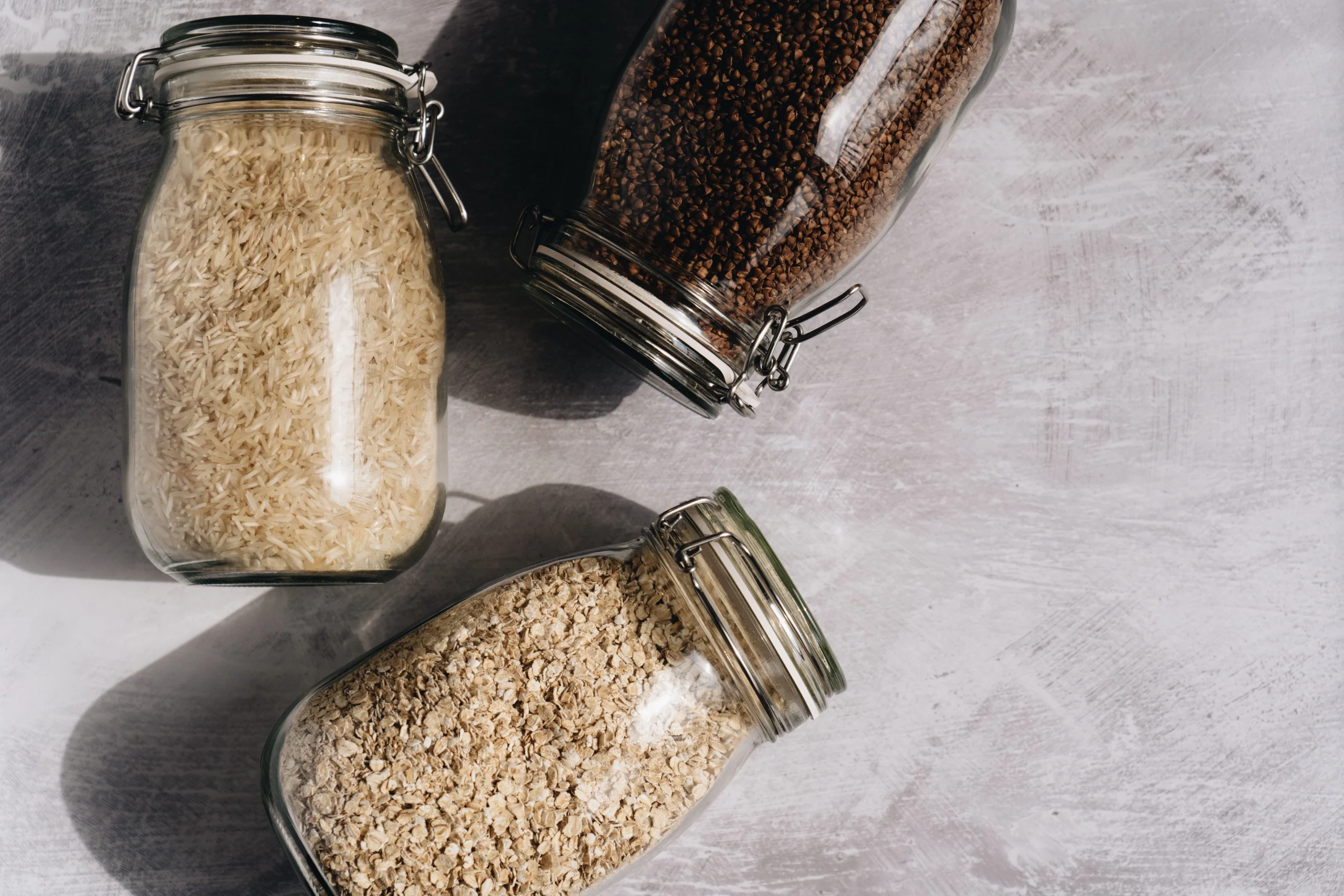
A wellness-focused pantry does not need to be expensive. Start with practical foods that you actually enjoy eating. Oats, whole grains, beans, lentils, nuts, seeds, canned fish, and other shelf-stable ingredients can provide the foundation for quick meals and snacks.
You can also organize your kitchen so healthier options are easier to reach. Keep frequently used ingredients where you can see them, and avoid keeping large quantities of foods you tend to eat mindlessly.
This approach takes some of the pressure away from willpower. Instead of constantly trying to resist temptation, you are creating an environment that makes healthier eating more convenient.
Foods to Toss or Replace From Your Pantry
A pantry cleanup can be a useful way to identify products that no longer support your current wellness goals. Start by checking expiration dates and getting rid of anything that is expired, spoiled, or no longer safe to consume.
Next, look at products you regularly eat and ask whether they are helping you build healthier eating habits. You may find that certain sugary drinks, highly processed snacks, heavily sweetened cereals, or products with excessive sodium are foods you would rather consume less often.
You do not need to throw out every food that is considered “unhealthy.” Instead, focus on products that you consume frequently and could reasonably replace with better alternatives.
For example, if you regularly reach for a sugary snack after dinner, consider keeping a more balanced option available. If you drink sweetened beverages throughout the day, gradually replacing some of them with water or unsweetened alternatives may be a realistic change.
The purpose of a pantry makeover is not to create fear around food. It is to make your everyday choices easier.
Choose Better Dessert Options Without Giving Up Treats
Healthy eating does not mean you have to stop enjoying dessert. In fact, making room for foods you enjoy can make your overall eating pattern easier to maintain.
The key is to think about ingredients, portions, and frequency. A dessert can be part of a balanced lifestyle when it fits into your overall eating habits.
If you enjoy creating desserts at home, you can experiment with different ingredients and toppings to make them more interesting without relying entirely on heavily processed additions. Fruit, nuts, seeds, cocoa-based ingredients, and other flavorful options can add variety and texture.
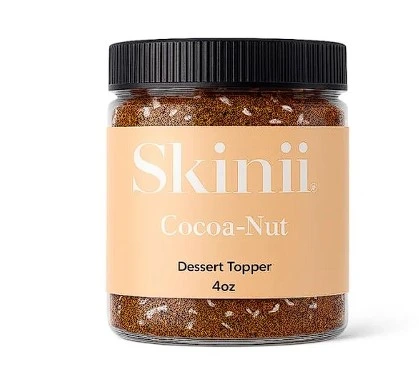
For example, the Sğinii® Cocoa-Nut – Dessert Topper (4oz) can be used as a dessert topping when you want to add extra flavor and texture to your favorite sweet creations.
The important point is that a wellness-focused diet does not have to eliminate enjoyment. Finding ways to enjoy food mindfully can be more sustainable than following strict rules that make you feel deprived.
Diet Mistakes That Can Make Healthy Eating Harder
One common diet mistake is trying to change everything at once. When people become motivated to improve their wellness, they may completely change their diet, remove favorite foods, start exercising every day, and follow a long list of new rules.
This approach can be difficult to maintain.
Instead, choose a few realistic changes and build from there. You might start by improving breakfast, drinking more water, adding vegetables to one meal each day, or replacing one processed snack.
Another common mistake is focusing too heavily on calories while ignoring food quality. Calories can be relevant to weight management, but the nutritional value of food matters too. A balanced approach considers both the quantity and quality of what you eat.
Skipping meals can also backfire for some people by leaving them extremely hungry later in the day. Eating regular, balanced meals can make it easier to manage hunger and make thoughtful food choices.
Healthy Food Swaps That Are Easy to Maintain
Healthy food swaps do not have to be dramatic. Small changes can add up when they become part of your regular routine.
You might swap sugary drinks for water or unsweetened beverages more often. You could choose whole-grain options instead of refined grains when practical. You might add fruit to breakfast rather than relying entirely on a packaged sweet snack.
Another useful swap is changing the way you prepare food. Instead of always relying on fried foods, experiment with baking, roasting, grilling, steaming, or other cooking methods.
The best healthy food swaps are the ones that still satisfy you. If an alternative feels completely unsatisfying, you are less likely to continue choosing it. Look for realistic replacements that match your taste preferences and lifestyle.
Don’t Let “Cheat Days” Control Your Diet
The idea of a “cheat day” can sometimes create an unhealthy all-or-nothing mindset. Instead of thinking that you are either following your diet perfectly or completely breaking it, consider your eating habits over the course of a week or month.
One meal or dessert does not define your overall diet.
If you eat something indulgent, there is no need to punish yourself by skipping meals or dramatically restricting food afterward. Simply return to your normal eating routine at the next meal.
This flexible approach can make healthy eating feel more realistic and reduce the pressure to be perfect.
Focus on Long-Term Wellness, Not Quick Fixes
There are countless diet hacks online promising fast weight loss, instant energy, or dramatic transformations. Some may sound appealing, but sustainable wellness usually comes from habits you can continue for months and years.
Instead of looking for the fastest diet, focus on creating a lifestyle that includes balanced meals, regular physical activity, adequate sleep, hydration, and reasonable portions.
Your goals may also change over time. You might initially focus on weight management and later become more interested in strength, energy, endurance, or healthy aging. A flexible eating pattern can adapt to those changes.
The most effective diet is often one that fits your real life rather than one that requires you to completely change who you are.
How to Create a Wellness-Friendly Pantry
A simple pantry makeover can begin with three questions: What do I eat most often? What foods make healthy eating easier? What products do I want to consume less frequently?
From there, gradually replace foods that no longer fit your goals. Stock convenient ingredients that can become quick meals, keep satisfying snacks available, and avoid buying large quantities of foods simply because they are on sale.
You can also plan your grocery shopping before entering the store. Making a basic list based on meals and snacks for the week can reduce impulse purchases and help you spend more intentionally.
Your pantry does not have to look perfect. It simply needs to support the habits you want to build.
Final Thoughts: Simple Diet Hacks Can Make a Big Difference
Improving your diet does not require extreme restrictions or a perfect meal plan. Some of the most effective diet hacks for better wellness are simple changes that make healthy choices easier every day.
Start by reading nutrition labels instead of relying on marketing claims. Pay attention to added sugar and highly processed foods. Include protein-rich and nutrient-dense foods in your meals. Make practical healthy food swaps and organize your pantry so better choices are convenient.
Most importantly, remember that wellness is about consistency rather than perfection. You do not have to completely eliminate your favorite foods or follow a restrictive diet to eat better. A balanced approach allows you to enjoy food while being more intentional about what you eat most often.
Your pantry is a good place to start. Keep foods that support your goals, replace products that no longer serve you, and make nutritious choices easy to reach. Over time, these small decisions can become lasting healthy eating habits that support a stronger, more balanced approach to everyday wellness.