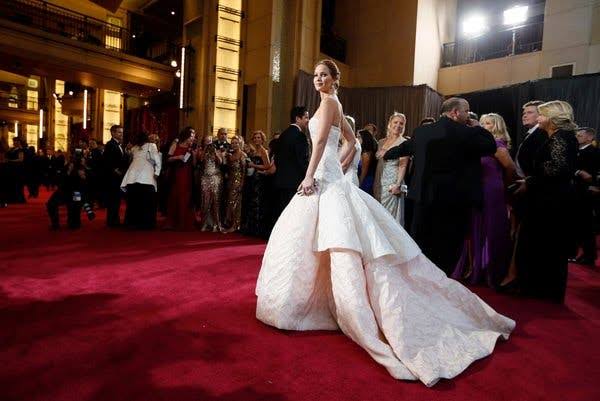
The red carpet has always been one of Hollywood’s favorite stages, but in 2026, it is increasingly becoming the beginning of the story rather than the end of it. A celebrity can arrive, pose for photographers, answer a handful of questions and disappear from the carpet in a matter of minutes. But the images remain online. The interview clips continue circulating. Fans dissect what was said. Social media turns a small interaction into a major conversation. A new project gets another wave of attention. Sometimes, a single facial expression or offhand comment becomes more memorable than the event itself.
That cycle is particularly visible this week as Hollywood and the music industry move from one major event to another. The 2026 MTV Video Music Awards took place September 27, bringing another wave of celebrity arrivals, fashion coverage, performances and social-media reactions. Coverage of the VMAs immediately expanded beyond the ceremony itself, with publications breaking down the red carpet looks, performances and individual celebrity moments.
That is the modern celebrity cycle: the event happens, and then the internet decides what the event actually means.
For years, a red carpet appearance was largely about visibility. A star attended a premiere, awards show or fashion event, posed for photographers and gave interviews that would appear later in entertainment programs or magazines. Now, the same appearance can generate dozens of pieces of content before the celebrity has even reached the venue.
There are the professional photographs. There are behind-the-scenes videos. There are fan recordings. There are livestream clips. There are interview snippets. There are reaction posts. There are fashion breakdowns. There are memes. There are headlines about what a celebrity said, who they stood beside, who they hugged, who they appeared to avoid and what happened once the cameras stopped officially rolling.
The red carpet has become a content generator.
And that is why celebrity news increasingly feels like it has no ending.
A major example from the past few days is Scarlett Johansson and Colin Jost’s appearance at the opening night of the New York Film Festival. The couple made their first joint red-carpet appearance in more than a year at a screening connected to Johansson’s forthcoming film Paper Tiger. The event itself was noteworthy because of their relatively rare joint public appearances, but coverage quickly expanded into photographs, fashion details and commentary about the couple’s appearance together.
The important part is what happens after that photograph is taken.
Fans do not simply see the picture and move on. They compare outfits. They discuss the relationship. They repost the images. Entertainment publications write follow-up stories. Social accounts turn the moment into short-form content. Search interest can continue after the event itself is finished.
The same thing happens with movie premieres.
A celebrity might be promoting a film, but the public conversation can become less about the official plot and more about the people involved. An interview answer can become a headline. A funny exchange between co-stars can become a viral clip. A reaction from another celebrity can become a separate story. A fashion choice can generate its own news cycle.
The premiere is therefore no longer a single event.
It is a series of events distributed across multiple platforms.
This is especially important during the fall entertainment calendar, when Hollywood is moving through a crowded period of premieres, festivals, award-season conversations and promotional campaigns. Actors are not simply appearing at one event and waiting for audiences to discover their work. They are participating in an ongoing publicity ecosystem that can continue for weeks.
The promotional tour itself becomes part of the entertainment.
That can be seen in the current celebrity social-media cycle. Recent entertainment coverage has followed stars such as Anne Hathaway, Dakota Johnson and Josh Hartnett as they promote Verity, which is scheduled for release in early October. The coverage is not limited to traditional advertising. Celebrity social posts, fashion appearances and public events are becoming part of the conversation around the project.
That is a crucial change.
Hollywood has always understood that stars sell movies and television shows. What has changed is the amount of content that can be created around that promotional process.
A celebrity no longer has to give one interview to one entertainment program.
The same interview can become a short clip on social media, a headline on an entertainment website, a reaction video from fans, a quote graphic and a discussion on another platform.
One answer can become twenty pieces of content.
And if the answer is particularly unexpected, funny, awkward or revealing, it can become the dominant story of the day.
That is why celebrities increasingly have to think about the entire environment surrounding an appearance.
The red carpet outfit matters. The interview matters. The body language matters. The co-stars matter. The photographs matter. The social-media posts afterward matter.
Everything can become part of the narrative.
The 2026 VMAs offered a particularly clear example because the event itself is designed around celebrity spectacle. The red carpet has historically been part fashion show, part publicity opportunity and part entertainment. This year’s coverage immediately focused on the biggest names, their looks and the unexpected moments surrounding the event.
But the conversation did not stop when the ceremony ended.
Performances continued circulating online. Celebrity looks became separate stories. Individual moments were clipped and reposted. Fans began discussing which appearances stood out and which celebrities generated the most attention.
That creates a strange reversal.
The celebrity attends an event to promote something or participate in a major cultural moment.
Then the internet creates an entirely new event around the celebrity’s attendance.
The same pattern has become increasingly important for fashion.
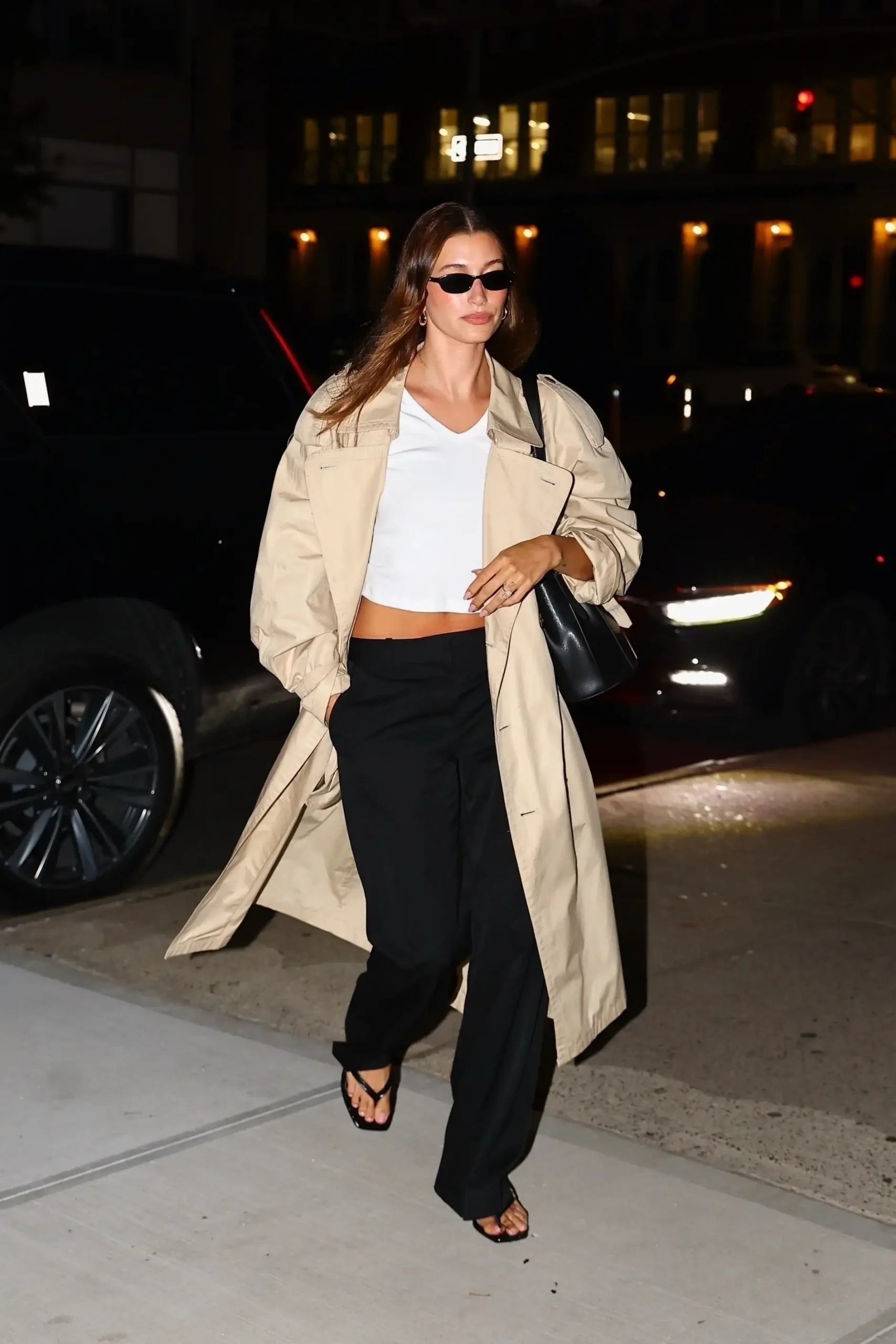
A celebrity can wear a designer outfit to a premiere or awards show, and within minutes, fashion publications can identify the designer, discuss the styling, compare the look with previous appearances and track the response online. Social media then gives fans an opportunity to participate in the discussion.
The red carpet becomes interactive.
That interaction is one reason celebrity fashion has become so important to entertainment coverage. A look is no longer simply something a celebrity wears. It can become a cultural reference point.
Sometimes the conversation is overwhelmingly positive. Sometimes it is divided. Sometimes the most discussed element is something nobody expected people to notice.
That unpredictability keeps the cycle alive.
The same is true for interviews.
In the traditional entertainment model, interviews were primarily promotional. Actors were expected to discuss their projects, directors talked about their films and musicians promoted their latest releases.
Today, audiences are often more interested in personality.
They want to see how celebrities interact with one another. They want jokes, candid reactions and unexpected stories. They want moments that feel less polished than a standard promotional statement.
That does not mean traditional interviews have disappeared. It means the most valuable part of an interview may be the moment that feels spontaneous.
A single sentence can become the headline.
A joke can become a meme.
A reaction can become a TikTok.
A story about another celebrity can create an entirely separate news cycle.
This is why the celebrity cycle has become so difficult to predict.
The publicity team may plan the appearance.
The audience decides what becomes news.
That distinction is increasingly important.
Hollywood can control when a trailer is released, when a premiere takes place and when a celebrity appears on a talk show. It cannot completely control which moment audiences choose to share.
And audiences have become extremely selective.
They may ignore the carefully prepared statement and focus on a five-second exchange between co-stars.
They may ignore the official campaign and become fascinated by a photograph taken outside the venue.
They may skip an entire interview but watch a thirty-second clip because someone posted it with a compelling caption.
This creates an environment where celebrity visibility is both easier and harder to maintain.
It is easier because there are more platforms available than ever before.
But it is harder because every celebrity is competing for the same attention.
The result is a constant race for the next conversation.
That is one reason upcoming projects matter so much.
A celebrity who has just appeared on a red carpet may have another movie coming soon. Another celebrity may be preparing a television premiere. A musician may be releasing a new song. An actor may be entering awards-season territory. A fashion appearance may connect directly to a brand campaign.
The public appearance is therefore part of a larger sequence.
The red carpet introduces the celebrity.
The interview gives the audience a little more personality.
The social-media posts extend the moment.
The project provides the reason for the appearance.
The audience reaction determines whether the conversation continues.
And then another event arrives.
That final step is what keeps Hollywood moving.
There is always another premiere.
Another awards show.
Another festival.
Another fashion week.
Another trailer.
Another celebrity post.
Another interview.
Another unexpected interaction.
The entertainment calendar does not give audiences much time to stay focused on one thing.
This is particularly obvious in September, when the industry moves from the end of summer into a packed fall schedule. Awards conversations are beginning to shift toward the next cycle, television is entering another wave of premieres and movies are entering the fall festival and theatrical-release period.
That means celebrities are constantly appearing in different contexts.
One week, they may be attending an awards event.
The next, they may be promoting a movie.
Then they may appear at a fashion event.
Then they may be photographed at a festival.
Each appearance can create a different version of the same celebrity.
The red carpet version.
The interview version.
The social-media version.
The fan version.
The professional version.
The candid version.
And sometimes those versions collide.
That is where the most interesting celebrity stories often begin.
A carefully styled red carpet moment can be followed by a completely casual social post. A serious interview can be followed by a funny behind-the-scenes clip. A glamorous premiere can be followed by fans discussing a tiny interaction between two cast members.
The contrast is part of the appeal.
Audiences increasingly want celebrities to feel accessible while still remaining famous.
They want the glamour, but they also want personality.
They want the polished photographs, but they also want the behind-the-scenes video.
They want the official movie trailer, but they also want to see how the cast behaves when the cameras are not focused directly on the film.
That is an enormous shift in celebrity culture.
The celebrity is no longer simply the product being promoted.
The celebrity’s personality is part of the product.
That is why social media has become such an important extension of the red carpet.
A celebrity can effectively continue the event from home.
They can post photographs from the night. Share a behind-the-scenes video. Thank fans. Post a joke. Repost another celebrity’s content. Share a glimpse of an outfit. Tease an upcoming project.
The audience follows the story wherever it moves.
And sometimes the celebrity creates a second story entirely.
The result is a feedback loop.
The red carpet creates images.
The images create reactions.
The reactions create stories.
The stories create more reactions.
The celebrity responds.
That response creates another story.
Then another event arrives and the cycle starts again.
This does not mean every celebrity moment becomes a major cultural event. Most do not. The majority disappear quickly beneath the enormous volume of entertainment content published every day.
But that is exactly why the moments that survive are so valuable.
A memorable interaction can separate one celebrity from hundreds of others appearing at the same event.
A distinctive outfit can dominate fashion coverage.
A funny interview can introduce a performer to audiences who were not previously interested in their project.
A genuine social-media post can create a stronger connection with fans than a traditional advertisement.
And an unexpected moment can give an upcoming movie or television series an entirely new layer of visibility.
For Hollywood, that visibility can matter.
For audiences, it makes celebrity culture feel like a conversation rather than a broadcast.
We are no longer simply being told what celebrities are doing.
We are watching, reacting, reposting and adding our own interpretations.
That is why the red carpet is not really over when the celebrities leave.
In many cases, that is when the most interesting part begins.
The photographs still have to circulate.
The interviews still have to be clipped.
The social posts still have to appear.
The fans still have to react.
The entertainment sites still have to decide which moments deserve another headline.
And the celebrity still has another project waiting around the corner.
The modern Hollywood celebrity cycle is therefore less like a single event and more like a chain reaction.
One appearance leads to another.
One interview leads to another story.
One photograph leads to another conversation.
One project leads to another premiere.
And by the time audiences are finished discussing one celebrity moment, another one is already waiting.
That is the real reason the red carpet never truly ends.
The cameras may stop flashing.
The celebrity may get into the car and go home.
The event may officially be finished.
But online, the night is still unfolding.
→ ViceInsider.com: The Red Carpet Is Over, But The Celebrity Cycle Isn’t
References
→ Harper’s Bazaar: All the Celebrity Red-Carpet Looks at the 2026 VMAs
→ Lainey Gossip: Celebrity Social Media — September 22, 2026
→ AOL: The 10 Best Dressed Celebrities at the VMAs 2026
→ AOL: Lisa’s VMAs Performance of “SaWaDiKa”
→ Elle: Tom Holland’s Reaction When Zendaya Arrived at the Spider-Man Premiere
→ Vogue: Who Won Awards Season on Social Media?
→ Deadline: Spider-Man: Brand New Day Los Angeles Premiere Red Carpet Photos