
Walk through almost any grocery store and you will find products promising to help you eat better. Packaging covered in words like “natural,” “organic,” “high protein,” “low fat,” “plant-based,” and “made with real ingredients” can make a product seem like an obvious choice. But there is a problem with relying too heavily on the front of the package: a product can look healthy without necessarily being the best choice for your everyday diet.
This is where the idea of the “health halo” comes into play. A health halo happens when one positive feature of a food makes us assume the entire product is healthier than it actually is. A granola bar may contain oats, but that does not automatically mean it is low in sugar. A smoothie may contain fruit, but it can still deliver a substantial amount of sugar depending on the ingredients and serving size. A snack labeled “natural” can still be highly processed.
That does not mean these foods are automatically bad or that you need to eliminate them from your diet. Instead, it means consumers should look beyond marketing claims and learn how to evaluate what they are actually buying.
If your goal is better wellness, weight management, improved energy, or simply a more balanced diet, here are some of the “healthy” foods and products that deserve a second look.
The Problem With the “Healthy” Label
Food companies know that consumers want healthier options. As a result, packaging has become increasingly focused on wellness. Words such as “clean,” “natural,” “light,” “fit,” and “wholesome” can immediately influence how we perceive a product.
The problem is that these words do not always tell the complete story.
A food can be marketed around one desirable characteristic while containing other ingredients that may not fit your personal nutrition goals. For example, a cereal might advertise whole grains prominently on the front while also containing significant amounts of added sugar. A low-fat snack may compensate for reduced fat with additional sugar or other ingredients to maintain its flavor and texture.
This is why the nutrition facts panel and ingredient list deserve more attention than the marketing language on the front of the package.
Granola and Granola Bars May Not Be as Innocent as They Look
Granola has developed a reputation as a wholesome breakfast or snack. Oats, nuts, seeds, and dried fruit can certainly be part of a nutritious diet. However, some commercial granolas can also contain substantial amounts of added sugar, syrups, chocolate, sweetened dried fruit, and other calorie-dense ingredients.
The same issue can apply to granola bars. A bar may be marketed as an energy-boosting snack while containing ingredients that make it more similar to a sweet treat than a balanced snack.
That does not mean you have to give up granola completely. Instead, compare labels and look at serving sizes, added sugars, fiber, protein, and the overall ingredient list.
A granola product with oats, nuts, seeds, and minimal added sugar can be very different nutritionally from one loaded with syrups and sweet coatings.
Flavored Yogurt Can Hide Added Sugar
Yogurt can be an excellent source of protein and other nutrients, depending on the variety. However, flavored yogurts can contain significantly more sugar than consumers expect.
Fruit-flavored yogurt can sound like a nutritious combination, especially when the packaging features strawberries, blueberries, peaches, or other fruit. But the product may contain added sugars alongside the naturally occurring sugars from the dairy and fruit ingredients.
Plain Greek yogurt is one option for people who want greater control over sweetness. You can add fresh fruit, nuts, seeds, or a small amount of another sweetener according to your preferences.
The important lesson is not that flavored yogurt is “bad.” It is that the word “fruit” on the package does not automatically tell you how much actual fruit or added sugar is inside.
Smoothies Can Become Sugar Bombs
Smoothies are another food that has a strong health reputation. After all, blending fruits and vegetables together sounds like an easy way to improve your diet.
The problem comes when smoothies become heavily dependent on fruit juice, sweetened yogurt, syrups, large portions of fruit, nut butters, or other calorie-dense additions.
A smoothie made primarily from vegetables, whole fruit, a protein source, and an unsweetened liquid can be very different from a large restaurant smoothie containing juice, sweeteners, and multiple high-calorie ingredients.
Portion size matters, too. Drinking a smoothie can make it surprisingly easy to consume a large amount of food quickly.
Instead of automatically assuming every smoothie is healthy, look at what is actually going into the blender.
“Low-Fat” Does Not Always Mean Better
For years, low-fat products were promoted as the healthier alternative to their full-fat counterparts. But reducing fat does not automatically make a food healthier.
When fat is removed, manufacturers may use other ingredients to maintain flavor and texture. Depending on the product, this can include added sugars or other ingredients.
Fat itself is not something that needs to be eliminated from a balanced diet. Foods such as nuts, seeds, avocados, olive oil, and fatty fish provide different types of dietary fats that can fit into a healthy eating pattern.
Instead of automatically choosing a product because it says “low fat,” compare the entire nutrition label.
Protein Snacks Can Still Be Highly Processed
The word “protein” has become one of the strongest marketing tools in the fitness and wellness industry. Protein bars, cookies, chips, cereals, shakes, and other snacks are everywhere.
Protein is important for maintaining and building muscle, particularly when combined with resistance training. However, a product being high in protein does not automatically make it a perfect everyday food.
Some protein snacks can also be high in calories, saturated fat, sodium, sugar alcohols, or other ingredients that may not work well for everyone.
Think of protein products as convenient tools rather than automatically superior foods. If a protein bar is useful when you are traveling or rushing between commitments, it can have a place in your diet. But whole-food protein sources such as eggs, fish, poultry, Greek yogurt, beans, and lean meats can also play an important role.
Dried Fruit Deserves a Closer Look
Fruit is widely recognized as a nutritious food, but dried fruit requires a little more attention because removing water makes the fruit much smaller and more concentrated.
It can be easy to eat a large amount of dried fruit without realizing how much fruit you have actually consumed. Some dried fruit products also contain added sugars, coatings, or other ingredients.
That does not mean dried fruit needs to disappear from your pantry. It can be convenient, portable, and enjoyable. The key is paying attention to the ingredient list and portion size.
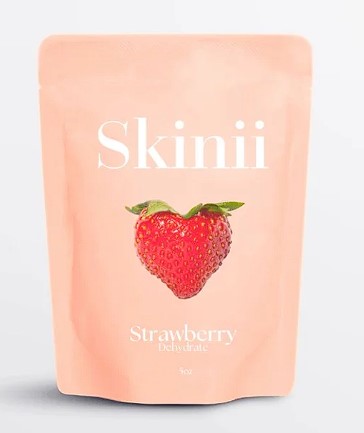
For example, Skinii Dehydrated Strawberries can be considered when looking for a convenient fruit-based snack, but as with any packaged food, consumers should still check the product label and serving information to understand exactly what they are purchasing.
“Natural” Is Not a Free Pass
One of the most misleading assumptions consumers can make is that natural automatically means healthy.
The word “natural” can create an immediate perception that a product is clean, minimally processed, or nutritionally superior. But a natural ingredient can still contribute calories, sugar, sodium, or other nutritional considerations.
Instead of focusing exclusively on whether something is labeled natural, look at the actual ingredients and nutrition facts.
The same principle applies to terms such as “made with real ingredients.” A product can contain a real ingredient and still contain plenty of other ingredients that you may not want to consume frequently.
Plant-Based Does Not Automatically Mean Nutritious
Plant-based eating has become increasingly popular, and for good reason. Many nutrient-rich foods come from plants, including vegetables, fruits, legumes, whole grains, nuts, and seeds.
However, “plant-based” does not automatically mean a product is minimally processed or nutritionally balanced.
Plant-based cookies, chips, desserts, burgers, nuggets, and frozen meals can still be highly processed. Some may also contain significant amounts of sodium, saturated fat, or added sugars.
A plant-based product can absolutely fit into a healthy diet. The important distinction is between choosing a food because it happens to be plant-based and choosing it because its overall nutritional profile works for you.
“Sugar-Free” Can Be Misleading Too
Sugar-free products can seem like an easy solution for anyone trying to reduce sugar. But removing sugar does not necessarily make a product healthy.
Sugar-free products may contain sugar alcohols or alternative sweeteners. Some people tolerate these ingredients well, while others may experience digestive discomfort.
There is also a psychological issue. Seeing “sugar-free” on a package can make people feel that they can eat unlimited amounts.
But calories, portion size, saturated fat, sodium, and overall dietary quality still matter.
The goal should not simply be to find foods with one particular ingredient removed. It should be to develop an overall eating pattern that supports your individual goals.
Healthy-Sounding Cereals Can Still Be High in Sugar
Breakfast cereals provide another perfect example of the health halo.
Words like “whole grain,” “fiber,” and “heart healthy” can make a cereal sound like a smart breakfast choice. But consumers should still check the nutrition facts panel and ingredient list.
Some cereals contain significant amounts of added sugar, particularly varieties marketed toward children or those featuring sweet flavors.
A better approach is to compare cereals based on fiber, protein, added sugar, serving size, and ingredients rather than choosing based solely on the claims printed on the front of the box.
The Biggest Mistake Is Believing One Food Determines Your Health
There is an important distinction between questioning food marketing and becoming afraid of food.
You do not need to label every granola bar, flavored yogurt, protein snack, or dried fruit product as “bad.” Nutrition is not that simple.
A healthy diet is built around patterns rather than individual foods. Eating one sugary snack does not ruin your health, just as eating one salad does not automatically make your diet healthy.
The bigger issue is what you regularly consume.
If most of your diet consists of nutrient-dense foods such as vegetables, fruits, lean proteins, whole grains, legumes, nuts, and other minimally processed foods, there is generally room for convenience foods and treats.
The goal is balance rather than perfection.
How to Stop Getting Fooled by Food Marketing
The easiest way to avoid the health halo is to turn the package around.
Instead of immediately believing the front of the package, check the serving size first. Then look at added sugar, sodium, protein, fiber, saturated fat, and total calories when relevant to your goals.
Next, read the ingredient list. Ingredients are listed by weight, so the first several ingredients can tell you a lot about what makes up the product.
Finally, consider whether the product actually meets your needs.
A food can be perfectly acceptable but still not be the right choice for you. Someone training for muscle growth may prioritize protein. Someone trying to manage their calorie intake may focus more heavily on portion size and calorie density. Someone trying to reduce sodium may need to pay closer attention to packaged foods.
There is no single “healthy food” list that works perfectly for everyone.
The Bottom Line: Read Beyond the Front of the Package
The wellness industry has made healthy eating feel more complicated than it needs to be. Every week there seems to be a new superfood, diet product, protein snack, detox drink, or miracle ingredient promising better health.
But you do not need to fall for every wellness trend.
The smartest approach is to become a more informed shopper. Look beyond words such as “natural,” “low fat,” “plant-based,” “protein,” and “sugar-free.” Check the ingredients. Look at serving sizes. Consider the nutritional value. Think about how the food fits into your overall diet.
Most importantly, remember that a healthy-looking package does not automatically make a product a healthy choice for your lifestyle.
The next time you reach for something because the packaging says “wholesome,” “natural,” or “better for you,” take a few seconds to turn it around. The real story may be hiding on the back of the package.