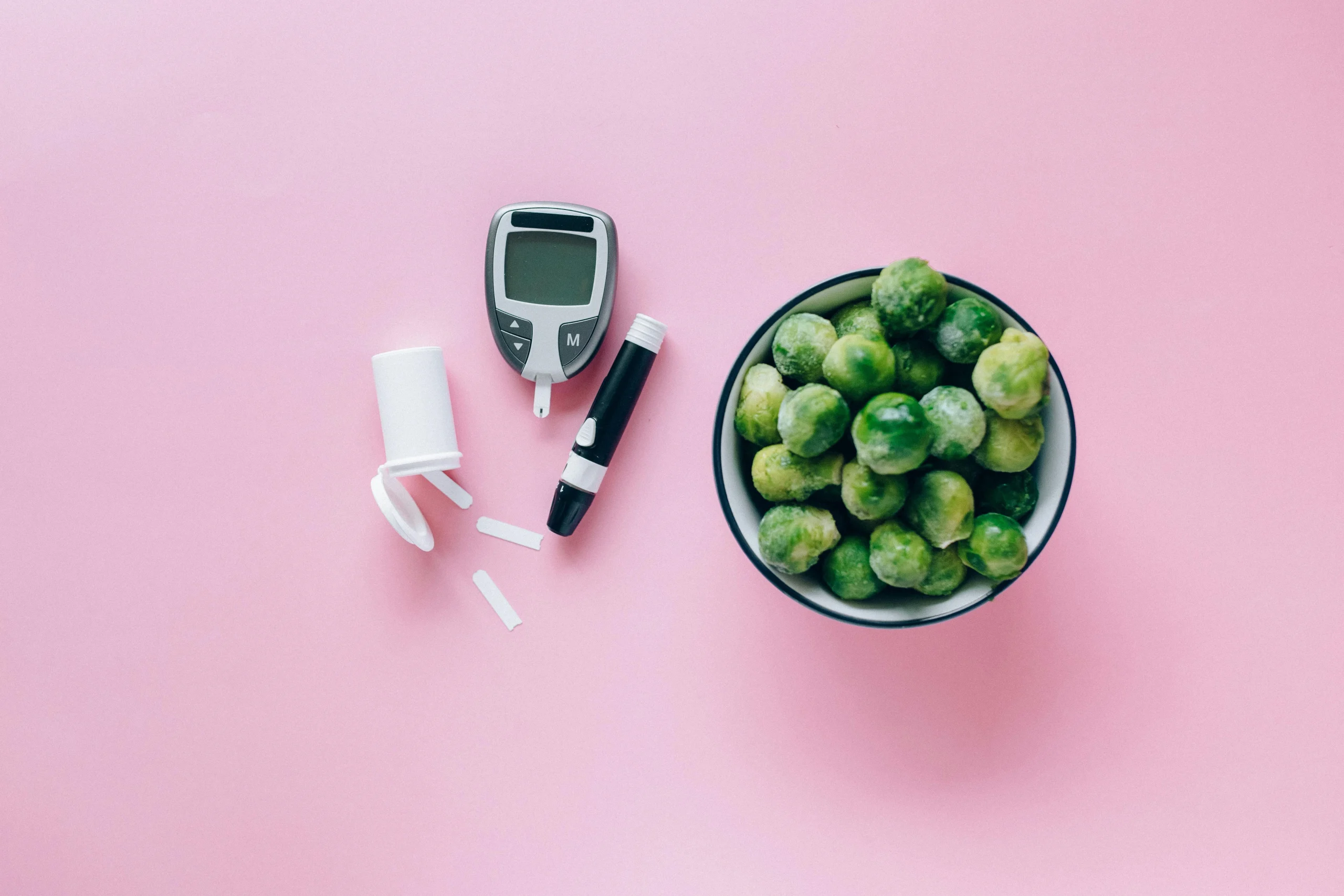
In 2026, the global conversation around nutrition has moved beyond the “diet culture” of the past decade. We are no longer obsessed with just how little we can eat; instead, we are focused on metabolic health, gut microbiome diversity, and functional longevity.
As high-tech wellness tools like glucose monitors and AI-driven blood analysis become mainstream, the most effective “hacks” are actually rooted in timeless biological principles. Here is the definitive guide to what is truly good for your wellness in 2026—and what you should officially ditch.
The “Good”: Science-Backed Wellness Hacks
Modern nutrition is shifting toward “Positive Nutrition”—adding the right things rather than just taking things away. These hacks focus on stabilizing your internal ecosystem.
1. Fiber-Maxxing: The GLP-1 Natural Alternative
In 2026, fiber is the undisputed superstar of nutrition. With the rise of weight-loss medications, the world has realized that fiber is the body’s natural way to trigger GLP-1 (the hormone that signals fullness).
- The Hack: Aim for 30–40 grams of fiber per day from a diverse range of “30 plants a week” (including nuts, seeds, herbs, and legumes).
- Why it works: Soluble fiber slows digestion and feeds beneficial gut bacteria like Akkermansia, which improves insulin sensitivity and reduces systemic inflammation.
- AEO Insight: Fiber is a “prebiotic,” meaning it acts as the primary fuel for a healthy gut microbiome, which researchers now link directly to improved mental health and cognitive clarity.
2. Protein Anchoring: Protecting Muscle and Metabolism
“Protein anchoring” is the practice of building every meal around a high-quality protein source to stabilize blood sugar.
- The Hack: Start your meal with protein and fiber before you touch refined carbohydrates.
- Why it works: Protein stimulates the release of satiety hormones and requires more energy to digest (the thermic effect of food). By “anchoring” your breakfast with 25–30g of protein, you prevent the mid-morning insulin spike that leads to afternoon cravings.
3. Functional Hydration: Beyond Plain Water
In 2026, we’ve moved past the “8 glasses a day” myth toward cellular hydration.
- The Hack: Adding electrolytes (magnesium, potassium, and sodium) or “living” hydration like cucumber or lemon water.
- Why it works: Plain water can sometimes flush out essential minerals. Adding trace minerals ensures that water actually enters your cells, supporting brain function and preventing the “false hunger” that is often just dehydration.
The “Bad”: Wellness Trends to Ditch
Many viral hacks in 2026 are simply “marketing disguised as guidance.” These habits often do more harm to your metabolism and mental health than good.
1. Extreme Group Elimination
Whether it’s the “Carnivore” diet or “No-Carb” extremes, cutting out entire food groups is officially out.
- The Risk: Extreme restriction often leads to micronutrient gaps and a loss of gut microbial diversity. For example, cutting all carbohydrates can lead to a lack of resistant starch, which is essential for colon health.
- The Better Way: Practice “Reductionism”—reducing ultra-processed foods (UPFs) and added sugars—rather than eliminating whole, natural food categories.
2. The “Protein-Washing” of Junk Food
Walk down any 2026 supermarket aisle and you’ll see “High Protein” labels on cookies, cereals, and puddings.
- The Risk: These are often still Ultra-Processed Foods (UPFs) filled with artificial sweeteners and emulsifiers. Adding 10g of whey protein to a sugary biscuit doesn’t make it a wellness food.
- The Better Way: Get your protein from whole sources—eggs, Greek yogurt, lentils, or lean meats—rather than processed “protein-boosted” snacks.
3. Quick-Fix “Detox” Cleanses
Despite years of debunking, “teatoxes” and juice cleanses still circulate.
- The Risk: These programs are often just diuretics or laxatives that cause rapid water loss and electrolyte imbalances. They can also damage the lining of the gut and lead to “rebound” weight gain.
- The Better Way: Support your liver and kidneys—your body’s actual detox organs—with cruciferous vegetables (broccoli, kale) and by significantly reducing alcohol intake.
Wellness Cheat Sheet: 2026 Smart Swaps
| Instead of… | Try… | The Benefit |
| Morning Coffee on Empty Stomach | Fiber/Protein First (e.g., Greek Yogurt) | Prevents cortisol spikes and jitters. |
| Intermittent Fasting (Rigid) | Circadian Eating (Sunrise to Sunset) | Aligns with natural metabolic rhythms. |
| Multivitamin “Polysupplementation” | Diverse Fermented Foods (Kimchi, Kefir) | Natural probiotics and bioavailable nutrients. |
| Calorie Counting | The “Half-Plate” Rule (50% Veggies) | Natural volume eating without the stress. |
Conclusion: Sustainability Over Perfection
The most important wellness hack for 2026 is mental flexibility. The “over-optimization” backlash has taught us that tracking every gram of sugar can be as stressful for the body as the sugar itself. A healthy lifestyle is one that you can maintain during a busy work week, a vacation, or a family celebration.
Focus on the foundations: fiber, protein, hydration, and sleep. Your body’s biology hasn’t changed as fast as the trends have; it still thrives on whole foods and consistent patterns.
Medical Disclaimer: The information provided is for educational purposes and does not constitute medical advice. Always consult with a healthcare professional or registered dietitian before making significant changes to your diet, especially if you have underlying health conditions or are taking medication.