Celebrity culture has thrived on access. Fans once craved every post, every story, every behind-the-scenes moment. But now, visibility itself is becoming a liability. Overexposure—constant updates, personal confessions, and omnipresent social media activity—is starting to backfire, both for celebrities and their audiences.
The saturation is palpable. Platforms like Instagram and X flood feeds with curated glimpses of celebrity life. While this access once built connection, the sheer volume now breeds fatigue. Audiences no longer celebrate every revelation; they scroll past, disengage, or even criticize overexposure.
Overexposure can dilute impact. Moments that once felt exclusive or special now compete for attention in an endless stream. A single post that might have created buzz five years ago barely registers today. Fans become desensitized, making future announcements less effective and, in some cases, generating backlash.
There’s also a reputational risk. Constant visibility leaves little room for privacy or error. Every slip, outdated opinion, or controversial comment can be captured, screenshot, and amplified. The more a celebrity shares, the greater the chance that past content resurfaces in ways that contradict current branding. Deletion no longer guarantees erasure; overexposure guarantees archival evidence.
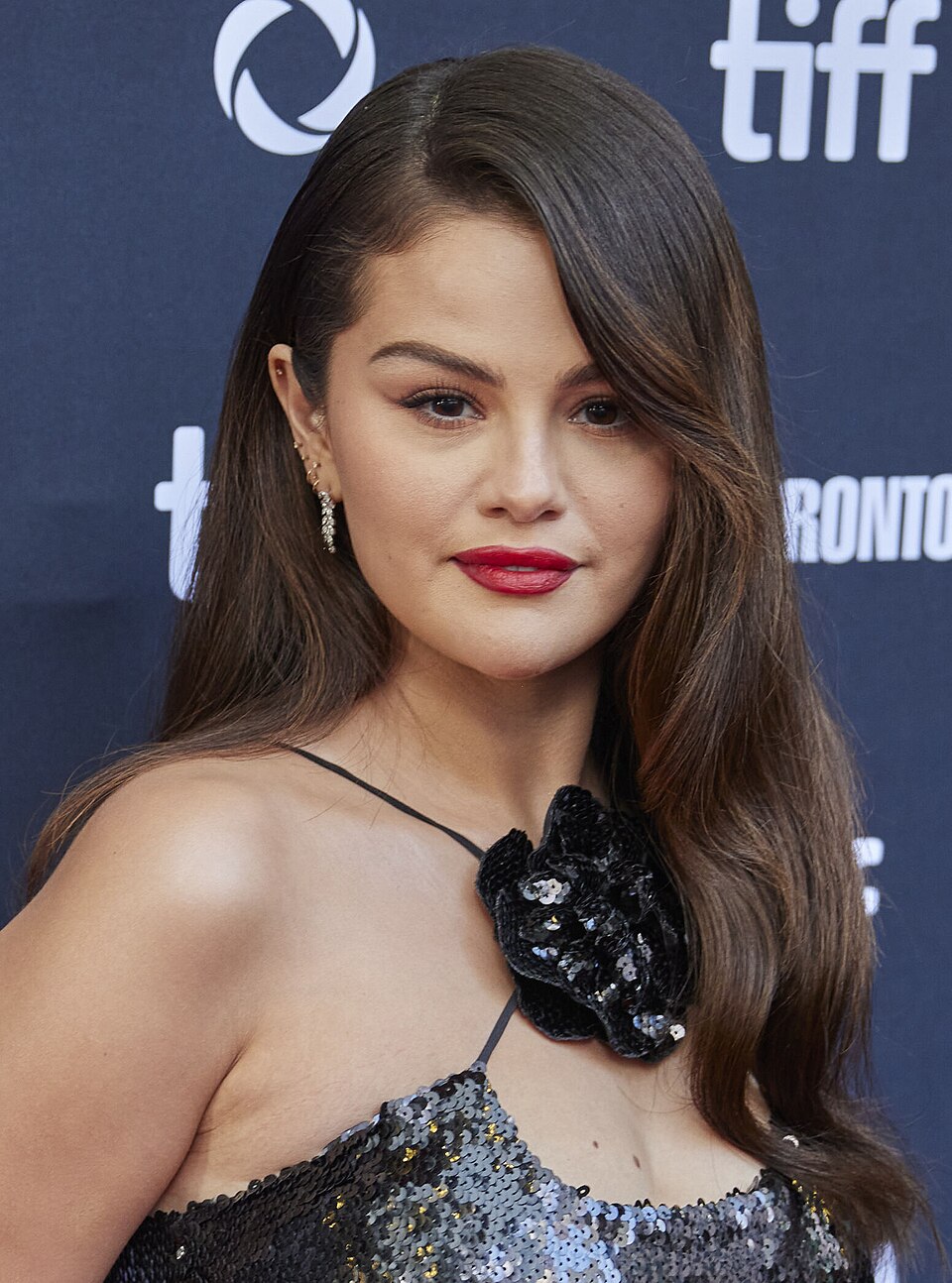
Some celebrities are responding strategically. Figures like Selena Gomez, Harry Styles, and Zendaya have curated more selective online presences, emphasizing quality over quantity. They post less frequently but with more intention, creating anticipation rather than saturation. The subtle approach feels fresh and generates more engagement than constant visibility.
Fans, meanwhile, are recalibrating expectations. The parasocial intimacy once demanded from audiences is being moderated. Engagement becomes selective, commentary less reactive, and the attention economy more deliberate. Silence or absence is now read as sophistication, while constant oversharing can seem desperate or performative.
The lesson is clear: in an era of infinite content, restraint has power. Visibility is no longer inherently valuable—impact, context, and timing matter more. Oversharing risks alienation, while selective communication fosters engagement, loyalty, and credibility.
Celebrity culture isn’t abandoning access—but it is learning the value of boundaries. Oversharing is losing its cachet. In the attention economy, less is increasingly more.
Caption: