
Some careers don’t fade—they pause. In today’s entertainment landscape, absence has become part of the strategy. A celebrity stepping out of the spotlight no longer signals decline; it often creates anticipation. When they return, the reaction can feel larger than anything they did before they left.
Attention today moves quickly, but it doesn’t always last. Constant visibility can blur into background noise, where even major names struggle to hold sustained interest. Disappearing disrupts that cycle. It resets perception, allowing space for curiosity to rebuild without constant saturation.
Public figures such as Adele and Ke Huy Quan illustrate how powerful that return moment can be. In both cases, time away from the public eye created a sense of narrative weight that made their reappearance feel less like a continuation and more like a second chapter.
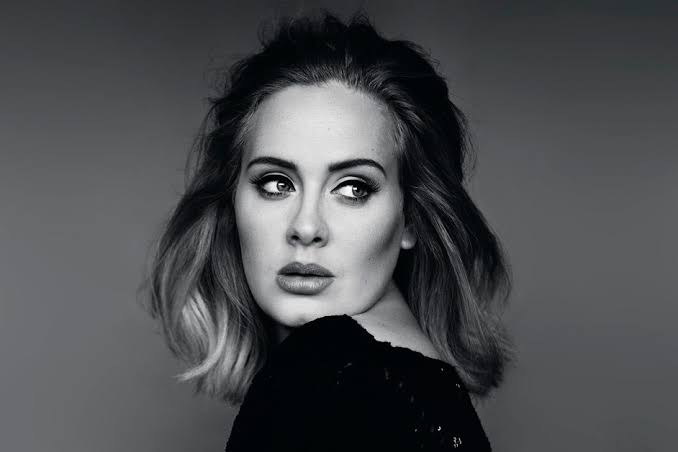

Modern media ecosystems amplify this effect. Streaming platforms, social media, and global entertainment coverage turn a single comeback into multiple storylines—career revival, personal transformation, industry impact, and audience reaction all unfold at once. The return becomes an event rather than just a release.
Another reason comebacks land so strongly is emotional context. Audiences don’t just respond to the work itself—they respond to the idea of growth, distance, and change. When someone reappears after a long absence, there is an unspoken comparison between who they were and who they have become.
Strategic absence also creates space for reinvention. Without constant public pressure, artists can shift direction, rebuild creative identity, or step into entirely different roles. When they return, the contrast itself becomes part of the appeal.
At the same time, not every disappearance is intentional. Careers naturally fluctuate, and periods away from the spotlight can be shaped by personal, professional, or creative reasons. What matters most in the comeback narrative is how the return is framed and received.
In many cases, the most effective returns are not the loudest—they are the most meaningful. A well-timed project, a carefully chosen role, or a surprising reinvention often carries more impact than continuous visibility ever could.
Celebrity culture has always been built on attention, but modern attention behaves differently. It spikes, fades, and resets quickly. In that environment, absence becomes a tool, and return becomes a moment of cultural concentration.
That is why comebacks resonate so strongly now. They are not just about fame returning—they are about narrative returning. A story paused, then picked up again, with everyone watching to see what changed.