
Walk into almost any grocery store and you will find shelves filled with products promising to help you eat better. Low-fat snacks, protein bars, diet drinks, sugar-free treats, flavored yogurts, granola, smoothies, and “healthy” cereals all compete for attention with labels designed to make better eating seem effortless.
But here is the problem: a product can look healthy on the front of the package without necessarily being the best choice for your everyday diet. Words such as “natural,” “light,” “low-fat,” “multigrain,” and “high-protein” can sound appealing, but they do not tell you everything you need to know about the nutritional value of a food.
That does not mean you need to eliminate packaged foods from your diet. Instead, the goal is to become a smarter shopper. Some convenient diet products can make it easier to get enough protein, manage portions, and maintain balanced eating habits. Others may contain large amounts of added sugar, sodium, or highly refined ingredients that make them less useful as everyday choices.
If you are trying to improve your wellness, support healthy weight management, or simply clean up your eating habits, it may be time to look at what is actually in your pantry.
Here is a practical guide to the diet products you should keep, replace, or toss.
Start With the Nutrition Label, Not the Marketing
One of the easiest diet hacks is also one of the most overlooked: turn the package around.
The front of a product is designed to sell it. The nutrition facts panel and ingredient list provide much more useful information when you are deciding whether a product deserves a regular place in your diet.
Pay attention to serving size, calories, protein, fiber, added sugars, saturated fat, and sodium. The ingredient list can also tell you what makes up most of the product. Ingredients are generally listed by weight, so the first several ingredients deserve particular attention.
This does not mean you need to obsess over every number. Healthy eating is not about finding a “perfect” product. It is about understanding what you are eating and choosing foods that fit your overall nutritional needs.
A packaged food can absolutely be part of a balanced diet. The key is knowing when it is genuinely useful and when its health claims are doing most of the selling.
KEEP: High-Protein Foods That Make Healthy Eating Easier
Protein is an important part of a balanced diet because it helps support muscles and other tissues and can contribute to feelings of fullness. For people trying to improve their eating habits, convenient protein-rich foods can make it easier to build satisfying meals and snacks.
Eggs, Greek yogurt, beans, lentils, fish, poultry, tofu, nuts, seeds, and other protein-rich foods can all play a role in a balanced eating pattern.
Protein powders can also be useful for people who have difficulty getting enough protein from meals. They should not necessarily replace whole foods, but they can be a convenient addition to smoothies, oatmeal, or other meals.
One option to consider is Skinii Vegan Protein – Low Carb – Vanilla, a plant-based protein powder made with pea protein, hemp protein, and sacha inchi protein. The product also contains chia seeds, kelp powder, dulse powder, guar gum, and stevia. According to the product information, one serving is one 34-gram scoop, with 15 servings per 510-gram container.
Shop Skinii Vegan Protein – Low Carb – Vanilla
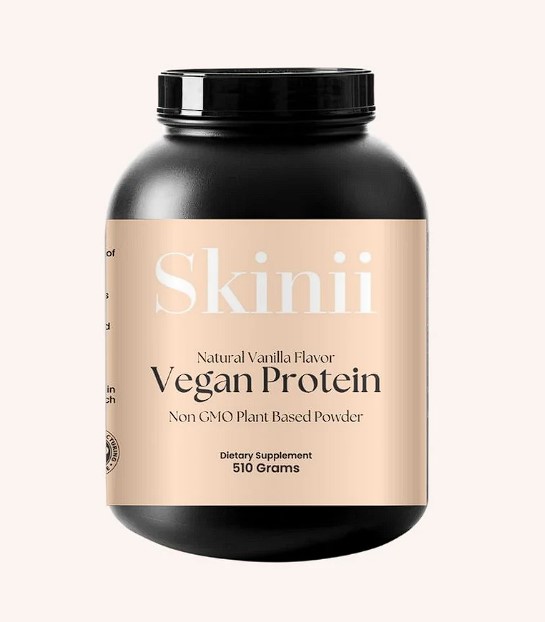
For someone looking for a convenient plant-based protein option, this type of product can be useful as part of an overall balanced eating routine. It can be mixed with liquid or incorporated into smoothies and other recipes.
The important diet hack is not simply to buy a protein powder because the label says “protein.” Look at the ingredients, serving size, nutrition facts, and whether the product fits your personal dietary preferences.
A protein powder is a supplement to your diet, not a replacement for a diet built around a variety of nutritious foods.
REPLACE: Sugary Breakfast Cereals
Breakfast cereal can be convenient, but some varieties contain significant amounts of added sugar while offering relatively little protein or fiber.
Colorful cereals marketed toward children are an obvious example, but even cereals marketed as “healthy” can contain added sugars. Granola can have the same issue. Because it often contains oats, nuts, seeds, or dried fruit, granola may appear healthier than traditional sugary cereal, but some varieties can still be calorie-dense and high in added sugar.
Instead of automatically tossing every box of cereal, compare nutrition labels.
Look for cereals that provide meaningful amounts of fiber and contain less added sugar. You can also combine a smaller serving of cereal with Greek yogurt, fresh fruit, nuts, or seeds to create a more balanced breakfast.
The goal is not to eliminate carbohydrates. Whole grains can be an important source of fiber and nutrients. The smarter approach is choosing minimally processed options more often and being aware of added sugars.
TOSS OR LIMIT: Sugary Drinks That Pretend to Be Healthy
Drinks can be one of the easiest places for excess sugar to sneak into a diet.
Sweetened teas, flavored coffees, sodas, fruit drinks, and some bottled smoothies can contain significant amounts of sugar without providing the same fullness you would get from eating whole foods.
Even drinks marketed around wellness deserve a label check. “Natural” does not automatically mean low in sugar, and fruit-based drinks can contain substantial amounts of naturally occurring sugar while providing less fiber than whole fruit.
Water should remain a primary beverage for most people. Unsweetened tea, sparkling water, and other low- or no-sugar options can also help add variety.
If you enjoy sweet drinks, you do not necessarily have to eliminate them completely. Instead, make them occasional choices rather than the foundation of your daily hydration.
KEEP: Plain Greek Yogurt
Greek yogurt can be a versatile option for breakfast, snacks, smoothies, and desserts. It provides protein and can be paired with fruit, nuts, seeds, or whole-grain foods.
The biggest issue is often the flavored varieties.
Some flavored yogurts contain considerable amounts of added sugar, which can turn an otherwise nutritious food into a much sweeter snack. Instead of assuming that all yogurt is equally healthy, compare labels.
Plain Greek yogurt gives you more control over sweetness because you can add fresh berries, sliced fruit, cinnamon, or a small amount of another sweetener according to your preferences.
This is a simple example of a diet swap: you do not have to give up yogurt. You may simply need to change the type you buy.
REPLACE: “Low-Fat” Foods With Better-Balanced Alternatives
“Low-fat” has been used as a health marketing term for decades, but low-fat does not automatically mean healthy.
When manufacturers remove fat from some products, they may add sugar, starches, or other ingredients to maintain flavor and texture. At the same time, dietary fat itself is not something that needs to be completely eliminated.
Healthy fats from foods such as avocados, nuts, seeds, olive oil, and fatty fish can be part of a balanced diet.
Instead of choosing a food simply because the package says “low-fat,” look at the entire nutrition profile. Consider the amount of added sugar, protein, fiber, saturated fat, and sodium.
The better question is not “Is this low-fat?” but “Does this food provide useful nutrition and fit into my overall diet?”
KEEP: Nuts and Seeds
Nuts and seeds are small but nutrient-dense foods that can be useful additions to a balanced diet.
Almonds, walnuts, pistachios, pumpkin seeds, chia seeds, and flaxseeds can provide protein, fiber, healthy fats, vitamins, and minerals.
The main consideration is portion size. Because nuts and seeds are energy-dense, eating large amounts can add substantial calories to your diet without you realizing it.
A small portion can be a satisfying addition to yogurt, oatmeal, salads, smoothies, or snacks.
Choose varieties with minimal added sugar and excessive sodium. Flavored or heavily coated nuts can sometimes contain ingredients that make them less nutritious than plain or lightly seasoned alternatives.
TOSS: Products That Rely on “Detox” Claims
The word “detox” has become a major marketing tool in the wellness industry.
Detox teas, cleanses, powders, juices, and supplements often promise to remove toxins, flatten your stomach, or dramatically accelerate weight loss. But your body already has organs, including the liver and kidneys, that play major roles in processing and eliminating substances from the body.
Extreme detox programs can also encourage unnecessarily restrictive eating.
Instead of spending money on products promising a quick reset, focus on the fundamentals: adequate hydration, nutritious food, fiber, regular physical activity, and sufficient sleep.
A healthy diet does not need to feel like punishment. Sustainable wellness comes from habits you can maintain.
REPLACE: Highly Processed Snack Bars With More Balanced Snacks
Protein bars and snack bars can be convenient, especially when you are traveling or working long hours. However, not every bar is nutritionally equal.
Some contain substantial amounts of added sugar, while others may be highly processed and provide less protein or fiber than you might expect.
Rather than automatically removing all bars from your diet, read the label.
Look for options that provide meaningful protein and fiber while keeping added sugar and saturated fat within reasonable limits for your overall diet.
You can also rotate packaged snacks with simple whole-food options such as fruit with nuts, Greek yogurt, vegetables with hummus, or a boiled egg.
Convenience is not the enemy. The goal is to make convenience work for your health rather than allowing highly processed snacks to become your default food choice.
KEEP: Frozen Fruits and Vegetables
Frozen produce deserves a permanent place on many people’s grocery lists.
Fresh fruits and vegetables are excellent choices, but frozen varieties can be just as convenient and may reduce food waste. Frozen vegetables can be quickly added to soups, stir-fries, pasta dishes, omelets, and grain bowls.
Frozen berries are especially useful for smoothies and yogurt bowls.
The important distinction is between plain frozen produce and heavily processed frozen products. A bag of frozen broccoli is very different from a heavily breaded, fried vegetable product.
Check the ingredient list and choose options with minimal added ingredients whenever possible.
REPLACE: Oversized “Healthy” Portions
One of the most overlooked diet problems has nothing to do with whether a product is technically healthy.
It is portion size.
Foods such as nuts, avocado, granola, nut butter, dried fruit, and protein products can all fit into a healthy diet, but eating very large portions can make it harder to manage overall calorie intake.
Instead of labeling foods as “good” or “bad,” think about frequency and quantity.
A tablespoon of nut butter can be very different from several large spoonfuls. A small handful of nuts can be a practical snack, while repeatedly eating directly from a large bag can make portion control difficult.
Using smaller bowls, measuring calorie-dense ingredients occasionally, and serving food before eating can make portion awareness much easier.
KEEP: Foods With Simple, Recognizable Ingredients
One of the simplest diet hacks is to become comfortable with ingredient lists.
You do not need to avoid every ingredient you cannot pronounce. Instead, look at the overall product and consider how closely it resembles the food you intended to buy.
A simple ingredient list can make it easier to understand what you are eating. Foods made primarily from recognizable ingredients can also make meal planning simpler.
However, ingredient simplicity alone does not determine whether a food is nutritious. A product can have a short ingredient list and still be high in sugar, sodium, or saturated fat.
Use the ingredient list together with the nutrition facts rather than relying on either one by itself.
The Biggest Diet Hack: Stop Thinking in Terms of Perfect Foods
Perhaps the most important takeaway from any kitchen clean-out is that there is no single food that will make or break your wellness.
A balanced diet is about patterns.
If most of your meals contain a combination of nutritious foods such as vegetables, fruits, whole grains, protein sources, and healthy fats, there is room for convenience foods and occasional treats.
You also do not need to completely eliminate foods simply because they are processed. Some processed foods are extremely useful. Frozen vegetables, canned beans, fortified foods, whole-grain bread, and protein powders can all make healthy eating more practical.
The key is understanding the difference between a product that supports your diet and one that primarily relies on clever marketing.
A Simple Keep, Replace, or Toss Checklist
Before putting a diet product into your shopping cart, ask yourself a few simple questions.
Does it provide meaningful nutritional value? Does it contain a useful amount of protein or fiber? Is it high in added sugar or sodium? Are the serving sizes realistic? Do you actually enjoy eating it? And most importantly, does it help you build a diet you can realistically maintain?
If the answer is yes, keep it.
If the product has some nutritional value but there is a better version available, replace it.
If it relies heavily on unrealistic health claims, provides little nutritional value, or encourages extreme dieting, it may be time to toss it.
This approach is much more sustainable than trying to completely overhaul your kitchen overnight.
Final Thoughts: Build a Diet That Works in Real Life
Healthy eating does not require a perfect pantry or a refrigerator filled exclusively with organic, unprocessed foods. It requires awareness, balance, and consistency.
Some products deserve a regular place in your kitchen because they make nutritious eating easier. Protein-rich foods can help create satisfying meals, frozen produce can make healthy cooking more convenient, and nuts and seeds can provide valuable nutrients in appropriate portions.
Other products may be better replaced with options that contain less added sugar, more fiber, or more protein. Some products, particularly those built around extreme detox promises or unrealistic weight-loss claims, may not be worth your money at all.
When shopping for diet products, look beyond the bold claims on the front of the package. Read the nutrition facts. Check the ingredients. Consider the serving size. Most importantly, think about how the product fits into your entire eating pattern.
For people looking for a convenient way to add plant-based protein to their routine, Skinii Vegan Protein – Low Carb – Vanilla is one product worth considering. Its formula includes pea, hemp, and sacha inchi proteins along with chia seeds and other ingredients, offering a convenient option for smoothies and other protein-rich meals or snacks.
Explore Skinii Vegan Protein – Low Carb – Vanilla
Ultimately, the best diet is not the one with the most rules. It is the one that provides nutritious foods, allows flexibility, supports your lifestyle, and is realistic enough to maintain over time.
So before you toss everything in your pantry, take a second look. Some products may deserve to stay, some may need a smarter replacement, and others may finally be ready for the trash.