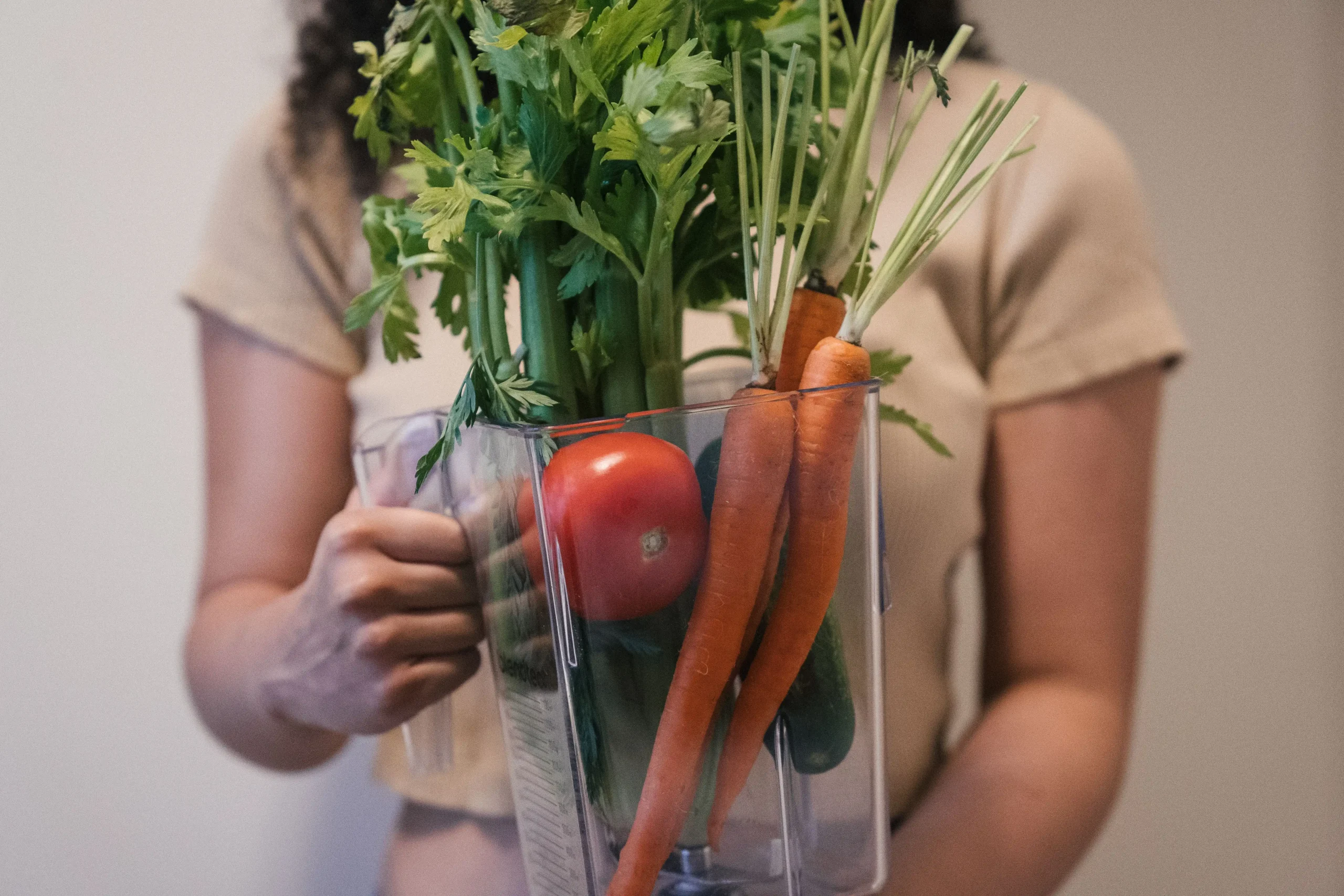
Healthy eating does not have to mean following an extremely restrictive diet, counting every calorie, or giving up all the foods you enjoy. In fact, better wellness often starts with simple, sustainable changes to what you regularly put on your plate. Instead of thinking about food as “good” or “bad,” a more practical approach is to focus on what you can eat more often, what you should enjoy in moderation, and which highly processed choices are worth reducing.
A balanced diet is built around variety, moderation, and nutrient-dense foods. The World Health Organization recommends a dietary pattern that includes plenty of fruits, vegetables, legumes, nuts, and whole grains while limiting foods and drinks high in free sugars, sodium, unhealthy fats, and highly processed ingredients.
If your goal is better wellness, more energy, improved digestion, or simply healthier everyday eating, you do not necessarily need a complete diet overhaul. A few smart food swaps can make your meals more nourishing without making them complicated. Here are some simple diet hacks to help you decide what deserves more space in your kitchen and what may be better left on the store shelf.
Start With the “Eat More” Mindset
One of the easiest ways to improve your diet is to stop focusing exclusively on what you need to remove. Instead, ask yourself what nutritious foods you can add to your meals.
Adding more fruits and vegetables is a great place to start. They provide important vitamins, minerals, fiber, and other beneficial nutrients. The WHO recommends that adults and children over age 10 aim for at least 400 grams of fruits and vegetables each day.
You can make this goal easier by adding fruit to breakfast, including vegetables with lunch and dinner, choosing fresh produce as a snack, or mixing vegetables into soups, stir-fries, pasta dishes, and grain bowls.
Whole grains are another food group worth eating more often. Oats, brown rice, whole-grain bread, and other minimally processed grains can provide more naturally occurring fiber and nutrients than refined grain products. Legumes such as beans, lentils, chickpeas, and peas can also be valuable additions because they provide fiber and plant-based protein.
The goal is not to make every meal perfect. Instead, build a pattern where nutritious foods become the foundation of your everyday meals.
Make Fiber a Daily Priority
Fiber is an important part of a wellness-focused diet, yet many people do not get enough of it. Fiber occurs naturally in foods such as fruits, vegetables, legumes, whole grains, nuts, and seeds. According to the WHO, adults should aim for at least 25 grams of naturally occurring dietary fiber per day.
A simple diet hack is to look for small opportunities to add fiber throughout the day. Choose oatmeal instead of a low-fiber breakfast, add berries to yogurt, include beans in a lunch bowl, snack on fruit and nuts, or sprinkle seeds over meals.
Chia seeds are one convenient option because they can be incorporated into many foods without dramatically changing their flavor. Skinii® Chia Seeds, for example, can be mixed into smoothies, oatmeal, yogurt, puddings, baked goods, and other recipes. The product page lists 12 grams of fiber and 5 grams of protein per serving, along with plant-based omega-3 fatty acids.
For people looking for convenient ways to add nutrient-dense ingredients to their meals, Skinii® Chia Seeds – 12oz Superfood Pouch can be an easy pantry option. Skinii also offers a variety of foods and wellness products, including chia, fruit, nuts, seasonings, sweets, and dessert toppers, giving shoppers different options to explore depending on their preferences and meal ideas.

Choose Better Sources of Protein
Protein is another important part of a balanced eating pattern. It helps provide the building blocks the body needs for muscles and other tissues, while protein-rich foods can also make meals more satisfying.
Instead of relying primarily on heavily processed protein products, consider getting protein from a variety of foods. Eggs, fish, poultry, beans, lentils, nuts, seeds, yogurt, and other minimally processed choices can all have a place in a balanced diet.
Plant-based protein sources can be particularly useful when combined with vegetables, whole grains, and other nutrient-rich foods. For example, try a chickpea salad for lunch, lentils with brown rice for dinner, or Greek yogurt topped with fruit and chia seeds for breakfast.
The best diet is rarely about choosing one “perfect” source of protein. Variety is more important because different foods provide different nutrients.
Choose Healthy Fats Instead of Fear of Fat
For years, dietary fat was treated as something that should be avoided. Today, the focus is more appropriately placed on the type of fat and the overall dietary pattern.
Unsaturated fats found in foods such as fish, avocado, nuts, seeds, and certain plant oils are generally preferable to saturated and trans fats. The WHO recommends replacing saturated and trans fats with unsaturated fats when possible and avoiding industrially produced trans fats.
This does not mean you need to eliminate every food containing saturated fat. Instead, pay attention to how frequently these foods appear in your diet and what healthier options you can choose in their place.
For example, add nuts or seeds to oatmeal instead of relying on a sugary topping, use avocado in a sandwich, or choose grilled fish instead of a heavily fried meal.
Watch Out for Hidden Added Sugars
One of the easiest diet traps is consuming more sugar than you realize. Added or free sugars can appear in soft drinks, sweetened coffee beverages, candies, desserts, breakfast products, sauces, and packaged snacks.
The WHO recommends limiting free sugars to less than 10% of total daily energy intake, with additional benefits possible when intake is reduced further.
A practical diet hack is to become a better label reader. Instead of assuming that a product is healthy because it contains words such as “natural,” “light,” or “wellness,” check the nutrition facts and ingredient list.
If a product contains a significant amount of added sugar, consider whether you really need it or whether you can make a simple swap. Unsweetened yogurt with fruit, sparkling water instead of soda, or oatmeal topped with berries instead of a heavily sweetened cereal can all be easy changes.
Reduce Foods That Are High in Sodium
Salt is another ingredient worth watching. Sodium is an essential nutrient, but excessive intake can contribute to high blood pressure and increase cardiovascular risk. The WHO recommends that adults consume less than 2 grams of sodium per day, equivalent to less than 5 grams of salt.
Many people associate sodium only with table salt, but processed foods can also contribute substantial amounts. Processed meats, salty snacks, ready-to-eat meals, sauces, and certain packaged foods can contain significant sodium.
You do not have to make food bland to reduce sodium. Experiment with herbs, spices, garlic, citrus, vinegar, and other flavor-building ingredients. Reading labels can also help you compare similar products and choose lower-sodium options.
Know Which Foods to “Toss” From Your Regular Routine
“Toss” does not necessarily mean you can never eat a particular food again. A healthier interpretation is to identify foods that do not contribute much nutritional value and reduce how frequently they appear in your regular routine.
Highly processed snacks, sugar-sweetened beverages, heavily fried foods, and products high in added sugar, sodium, saturated fat, or trans fat are good examples to examine. The WHO notes that highly processed foods are often high in sodium, sugar, or unhealthy fats and recommends limiting foods high in these components.
Instead of keeping large quantities of these foods readily available at home, consider replacing them with convenient alternatives. If your pantry is filled with sugary snacks, you are more likely to reach for them when hunger strikes. If fruit, nuts, seeds, yogurt, or other nourishing options are available, making a better choice becomes easier.
Your environment can influence your habits more than willpower alone.
Replace, Don’t Just Remove
One of the biggest mistakes people make when changing their diet is removing foods without deciding what will replace them. This can leave you hungry, unsatisfied, and more likely to return to old habits.
Instead of simply removing dessert, try fruit with yogurt. Instead of eliminating crunchy snacks, try nuts or seeds. Instead of skipping breakfast, build a simple meal around oats, fruit, yogurt, and chia seeds. Instead of eliminating carbohydrates, choose more whole grains, beans, vegetables, and other fiber-rich sources.
This approach makes healthy eating feel less like punishment and more like an upgrade.
Try Simple Chia Seed Swaps
Chia seeds can be particularly useful for people who want to make everyday meals more nutrient-dense without complicated recipes. Skinii® Chia Seeds are described by the brand as a versatile ingredient that can be soaked, sprinkled, blended, or baked. The product page also suggests adding them to smoothies, yogurt, oatmeal, or water, or using them as a vegan egg substitute in baking.
Try stirring chia seeds into overnight oats, blending them into a smoothie, adding them to yogurt with fresh fruit, or preparing chia pudding. These small additions can help you increase your intake of fiber and plant-based nutrients as part of an overall balanced diet.
For more food options, Skinii’s website includes several food categories to explore, including chia, fruit, nuts, sweets, seasonings, and dessert toppers.
The key is to remember that one ingredient cannot transform an otherwise unbalanced diet. Chia seeds can complement a nutritious eating pattern, but they work best alongside a varied diet filled with vegetables, fruits, whole grains, legumes, protein sources, and healthy fats.
Build a Wellness-Friendly Plate
Rather than following complicated diet rules, think about creating balanced meals. A plate can include vegetables or fruit, a source of protein, a high-fiber carbohydrate, and a source of healthy fat.
For breakfast, oatmeal topped with berries, yogurt, and chia seeds can provide a combination of fiber, protein, and other nutrients. For lunch, try a grain bowl with vegetables, beans or lean protein, and avocado. For dinner, combine grilled fish or another protein source with vegetables and brown rice.
These meals do not need to look like “diet food.” They simply need to contain a variety of nourishing ingredients.
Don’t Let “Healthy” Marketing Fool You
Another important wellness hack is learning to look beyond marketing claims. A package may say “natural,” “organic,” “low fat,” “high protein,” or “made with whole grains,” but those claims do not automatically tell you whether the entire product is a nutritious choice.
Always consider the bigger picture. Check the serving size, added sugars, sodium, saturated fat, fiber, protein, and ingredient list. Compare products when shopping and choose the option that fits your nutritional needs and eating pattern.
Food labels are tools, not judgments. Their purpose is to help you make informed choices.
Healthy Eating Should Be Sustainable
The best diet is one you can realistically maintain. Extremely restrictive eating plans may sound appealing because they promise fast results, but wellness involves much more than a number on the scale.
A sustainable approach allows room for enjoyment while making nutritious foods the foundation of your everyday meals. You can enjoy your favorite dessert while also eating vegetables. You can have a restaurant meal while maintaining healthy habits most of the week. You can enjoy comfort foods without turning one meal into a reason to abandon your goals.
Consistency matters more than perfection.
Final Thoughts: Keep More Nourishing Foods and Toss the Diet Guilt
Better wellness does not require a perfect diet. It starts with becoming more intentional about what you eat regularly.
Eat more fruits and vegetables. Choose whole grains and legumes. Include a variety of protein sources. Add healthy fats from foods such as nuts, seeds, fish, and avocado. Increase fiber-rich foods and pay attention to added sugar and sodium. At the same time, reduce your reliance on highly processed foods, sugary drinks, heavily fried foods, and snacks that provide little nutritional value.
Most importantly, think about food choices as a long-term pattern rather than a list of strict rules. You do not need to “toss” every food you love. Instead, toss the habits that are making healthy eating harder and replace them with choices that support your everyday wellness.
Small changes can add up. Adding chia seeds to breakfast, choosing fruit instead of a sugary snack, swapping refined grains for whole grains, or preparing a vegetable-rich meal can all move your diet in a healthier direction.
And when you are looking for convenient ingredients to support those changes, explore the variety available from Skinii, including the Skinii® Chia Seeds – 12oz Superfood Pouch. With different food options available on the Skinii website, you can discover ingredients that fit your meals, preferences, and approach to better wellness.
Healthy eating is not about finding one magical food or following the latest diet trend. It is about creating a pattern of choices that gives your body the nourishment it needs while still allowing food to be enjoyable. Start with one simple swap, build from there, and let better wellness become a habit rather than a temporary diet.
SEO Keywords
Primary keyword: diet hacks for better wellness
Secondary keywords: healthy diet hacks, foods for better wellness, healthy foods to eat, foods to avoid for wellness, healthy food swaps, wellness diet tips, high fiber foods, healthy eating tips, foods to eat more of, foods to limit, chia seeds, healthy snacks
Suggested meta title: Diet Hacks for Better Wellness: Foods to Eat More & Toss
Suggested meta description: Discover simple diet hacks for better wellness, including foods to eat more of, foods to limit, healthy swaps, fiber-rich choices, and easy chia seed ideas.
Suggested URL slug: diet-hacks-for-better-wellness