You’re doing everything right. Your shopping cart is a testament to your good intentions, filled with foods brandishing wellness buzzwords like “all-natural,” “low-fat,” “plant-based,” and “whole-grain.” You’re choosing the veggie chips over potato chips, the instant oatmeal over sugary cereal, and the bottled green smoothie for a quick dose of nutrients.
So why do you still feel stuck? Why is your energy slumping mid-afternoon, why does your stomach feel bloated, and why isn’t the scale budging?
Welcome to the confusing world of the “health halo.” It’s a clever marketing phenomenon where a food’s packaging and reputation make you believe it’s far healthier than it actually is. These foods are the ultimate saboteurs; they hijack your best efforts, leaving you frustrated and wondering what you’re doing wrong. The truth is, you’re not doing anything wrong—you’re just being tricked by sneaky ingredients and brilliant marketing.
It’s time to turn on the lights and expose these culprits. Let’s uncover nine of the most common “healthy” foods that could be secretly sabotaging your wellness journey, and learn the simple, powerful swaps to get you back on track.
9 Health Food Saboteurs Hiding in Your Pantry
Saboteur #1: Flavored Instant Oatmeal Packets
- The Healthy Disguise: It’s oatmeal! What could be healthier? The box boasts about it being a “good source of fiber” and “heart-healthy,” promising a wholesome, convenient start to your day.
- The Sneaky Sabotage: Flip that little packet over. A single serving of maple and brown sugar oatmeal can contain 12-15 grams of refined sugar. The oats themselves are often highly processed to cook faster, causing them to have a higher glycemic index than their slow-cooked counterparts. This means they spike your blood sugar, leading to a “sugar crash” and cravings long before lunchtime.
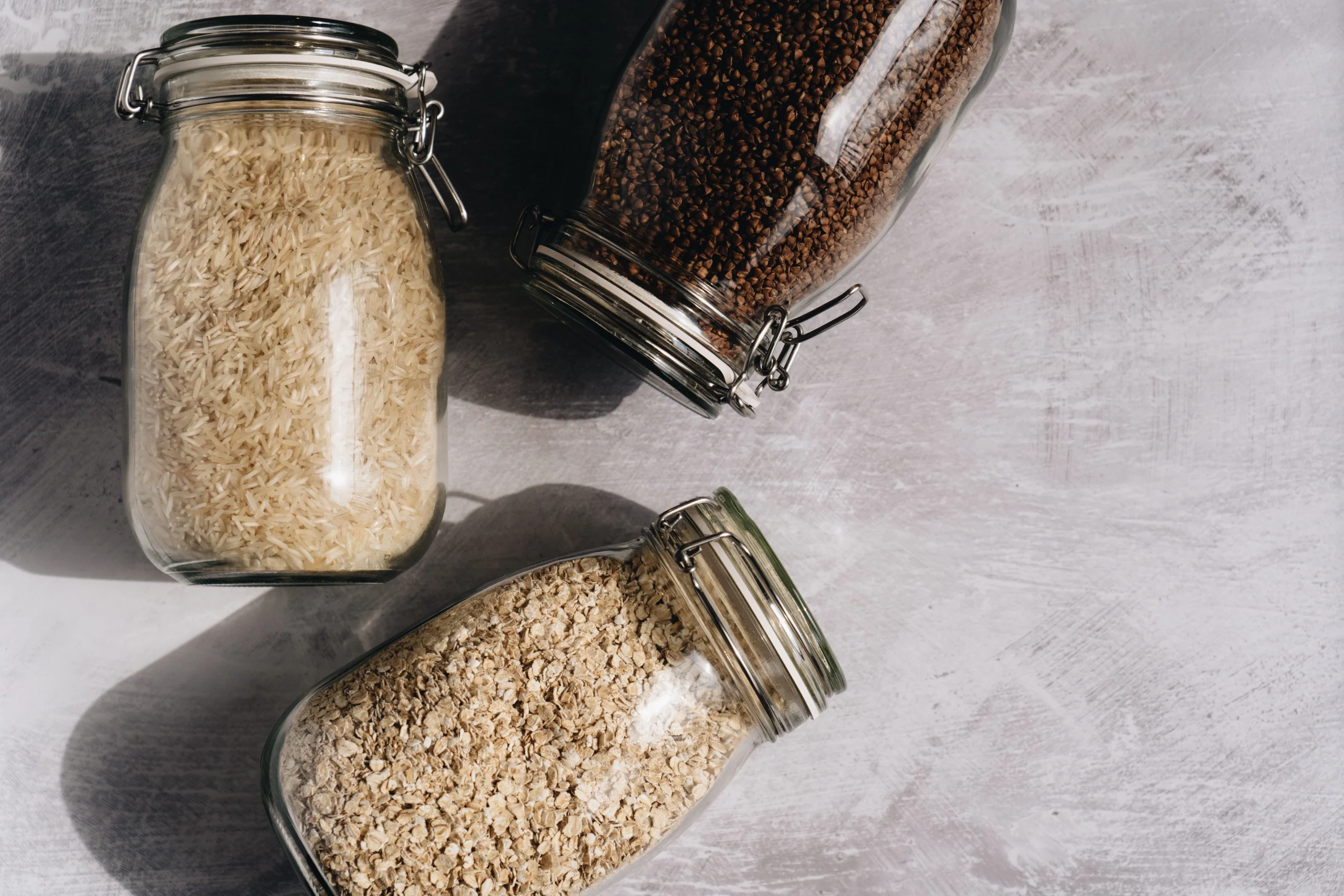
- The Smarter Swap: Use plain rolled or steel-cut oats. Yes, they take a few minutes longer, but they provide slow-releasing energy that keeps you full for hours. Swirl in a spoonful of almond butter for protein and healthy fats, and top with fresh berries and a dash of cinnamon for natural sweetness and flavor.
Saboteur #2: Most Commercial Granola
- The Healthy Disguise: Marketed as the quintessential health food, granola evokes images of hikers and mountaintops. It’s made with oats, nuts, and seeds—all good things!
- The Sneaky Sabotage: Most store-bought granola is more like a dessert than a breakfast. A small serving can be shockingly high in calories and sugar (often from multiple sources like cane sugar, honey, and corn syrup) and is typically baked with inflammatory industrial oils. It’s incredibly easy to overeat, turning your “healthy” yogurt bowl into a sugar bomb.
- The Smarter Swap: Make your own! It’s incredibly easy to toss rolled oats, nuts, seeds, and coconut flakes with a little melted coconut oil and a touch of maple syrup and bake until golden. Or, for a quicker option, create a “raw” granola by simply mixing these ingredients together and using them as a topping.
Saboteur #3: Bottled Green Smoothies
- The Healthy Disguise: It’s a bottle of pure, green goodness. It saves you the time of chopping and blending and promises multiple servings of fruits and vegetables.
- The Sneaky Sabotage: While the first ingredient might be kale or spinach, the next few are often apple juice, banana puree, and other fruit concentrates. This makes the drink incredibly high in sugar—sometimes as much as a can of soda—without any of the fiber from the whole fruits and vegetables. It’s a recipe for a massive insulin spike and a subsequent energy dive.
- The Smarter Swap: Blend your own smoothie. It takes five minutes and gives you complete control. A winning formula: a handful of spinach, half an avocado or a scoop of protein powder for healthy fat/protein, a handful of frozen berries (lower in sugar), and unsweetened almond milk or water. You get all the nutrients and the vital fiber.
Saboteur #4: Low-Fat and Fat-Free Salad Dressing
- The Healthy Disguise: For decades, “low-fat” was synonymous with “healthy.” You’re choosing this dressing to keep your vibrant salad light and guilt-free.
- The Sneaky Sabotage: When companies remove fat, they have to add something back for flavor and texture. That “something” is almost always sugar, salt, and a host of chemical emulsifiers and artificial flavorings. Even worse, your body needs healthy fats to absorb the fat-soluble vitamins (A, D, E, K) present in your salad greens. This “healthy” dressing actually robs you of nutrients!
- The Smarter Swap: A simple homemade vinaigrette. Whisk together 3 parts extra virgin olive oil with 1 part apple cider vinegar or lemon juice. Add a pinch of salt and pepper. It’s delicious, packed with anti-inflammatory healthy fats, and helps you absorb more nutrients from your salad.
Saboteur #5: Rice Cakes
- The Healthy Disguise: The ultimate low-calorie, fat-free diet food. It’s light, crunchy, and seems like a completely harmless vehicle for toppings.
- The Sneaky Sabotage: Rice cakes are essentially puffed, refined carbohydrates with almost zero nutritional value—no fiber, no protein, no healthy fats. They have a very high glycemic index, meaning they spike your blood sugar almost as fast as pure glucose. They provide no satiety, leaving you hungry and reaching for more snacks just a short while later.
- The Smarter Swap: Choose a sturdier, more nutritious cracker made from whole grains and seeds (look for brands with short ingredient lists). Even better, opt for slices of apple or cucumber as a crunchy base for your toppings.
Saboteur #6: Commercial Trail Mix
- The Healthy Disguise: Nuts and dried fruit—what could be wrong? It’s the go-to snack for a “natural” energy boost.
- The Sneaky Sabotage: Most pre-packaged trail mixes are unbalanced. They are often loaded with candy pieces (like M&Ms), yogurt-covered raisins (which are just sugar-coated raisins), and nuts roasted in unhealthy oils and coated in salt. The dried fruit is often sweetened with extra sugar and preserved with sulfites. It’s a calorie-dense handful of inflammation.
- The Smarter Swap: Create your own “BYO” trail mix. Go to the bulk bins and mix raw, unsalted nuts (almonds, walnuts) and seeds (pumpkin, sunflower) with a small amount of unsweetened dried fruit (like raisins or apricots). For a treat, add a few 70% dark chocolate chips.
Saboteur #7: Most Protein Bars
- The Healthy Disguise: It’s a bar packed with protein! Perfect for post-workout recovery or a meal on the go.
- The Sneaky Sabotage: Many popular protein bars are just candy bars with a sprinkle of low-quality protein. They are often held together with corn syrup and can contain as much sugar as a Snickers. They might provide a protein boost, but it comes at the cost of a sugar rush and a long list of artificial ingredients.
- The Smarter Swap: Read labels obsessively. Look for bars with short ingredient lists made from whole foods like nuts, egg whites, and dates. Or, for a quick protein fix, simply have a hard-boiled egg, a handful of almonds, or a small container of plain Greek yogurt.
Saboteur #8: Agave Nectar
- The Healthy Disguise: It’s a “natural” sweetener from a plant, often marketed as a diabetic-friendly, healthier alternative to sugar because it’s low-glycemic.
- The Sneaky Sabotage: While agave doesn’t spike blood sugar in the same way as regular sugar, its dark secret is its incredibly high fructose content—even higher than high-fructose corn syrup. Large amounts of fructose can only be metabolized by the liver, and overloading it can contribute to non-alcoholic fatty liver disease and metabolic dysfunction.
- The Smarter Swap: Use sweetness sparingly. When you do need it, opt for a small amount of pure maple syrup or raw local honey, which have a more balanced sugar profile and contain some trace minerals and antioxidants.
Saboteur #9: Highly Processed Plant-Based “Meats”
- The Healthy Disguise: It’s plant-based! This must be a win for your health and the planet.
- The Sneaky Sabotage: While reducing meat intake can be healthy, swapping a steak for a hyper-processed patty made of soy protein isolate, industrial seed oils, and a long list of thickeners, binders, and artificial flavors isn’t the answer. These products can be incredibly high in sodium and unhealthy fats, making them a poor substitute for real, whole foods.
- The Smarter Swap: Eat plants that look like plants. If you want a plant-based burger, try one made from whole ingredients like black beans, mushrooms, and quinoa. Base your plant-forward meals on lentils, chickpeas, tofu, tempeh, and, of course, a wide variety of vegetables.
Conclusion: Stop the Sabotage, Start Upgrading
Your journey toward wellness shouldn’t feel like a battle against your own best intentions. By learning to see past the “health halo” and identify these sneaky saboteurs, you can take back control. True health isn’t about buying products with the loudest health claims; it’s about choosing real, whole foods that truly nourish you.
Start small. Pick one saboteur from this list that’s a regular in your kitchen and make the smarter swap this week. Feel the difference—in your energy, your digestion, and your peace of mind.