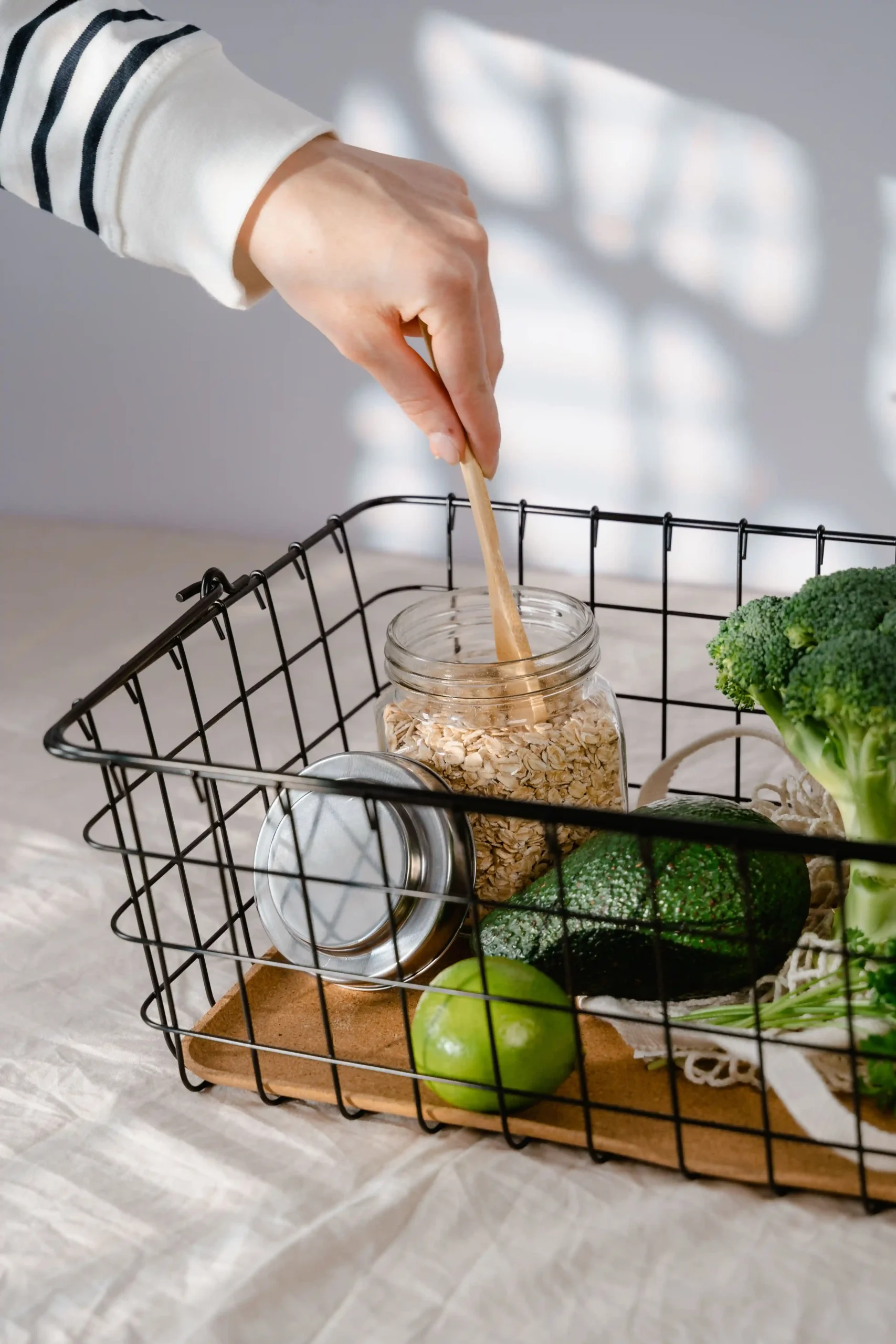
Eating healthier does not always require following a complicated diet or completely changing everything in your kitchen. Sometimes, the biggest improvement comes from taking a closer look at what you already eat, drink, buy, and do every day. The foods that seem harmless, the wellness products that promise quick results, and the habits that have become part of your routine may all deserve a second look.
The modern wellness world is full of products labeled healthy, natural, clean, low-fat, high-protein, sugar-free, detoxifying, or weight-friendly. Some can have a useful place in a balanced lifestyle, while others may offer more marketing than meaningful nutritional value. Learning how to separate genuinely useful choices from unnecessary products can make healthy eating much less complicated.
A healthy diet is not about finding one perfect food or eliminating every indulgence. According to the World Health Organization, a healthy diet is built around adequacy, balance, moderation, and diversity. A varied eating pattern that includes vegetables, fruits, whole grains, legumes, nuts, and other nutritious foods can support overall health, while foods high in free sugars, unhealthy fats, and sodium are generally best limited.
That makes a diet clean-up less about restriction and more about becoming intentional. Instead of asking, “What diet should I follow?” a better question may be, “What choices are actually helping my wellness, and which ones are worth rethinking?”
What Does It Mean to Clean Up Your Diet?
Cleaning up your diet does not necessarily mean going on a detox, cutting out carbohydrates, or surviving on salads. It means creating a healthier eating pattern by paying attention to food quality, portion sizes, added sugars, sodium, highly processed foods, and the overall variety of your meals.
One of the easiest ways to start is to look at what appears repeatedly in your kitchen. If sugary drinks, highly processed snacks, sweetened breakfast foods, or heavily packaged convenience meals make up a large part of your routine, replacing some of them with more nutrient-dense options can make your diet more balanced.
The goal is not perfection. A healthy eating pattern needs to be realistic enough to maintain over time.
Start With the Foods You Eat Most Often
When people decide to eat healthier, they often focus on individual foods that they believe they should never eat. A more useful approach is to look at frequency.
Having dessert occasionally is very different from drinking sugary beverages every day. Eating chips at a party is different from relying on packaged snacks several times a day. Enjoying a restaurant meal is different from eating takeout for nearly every meal.
The foods that deserve the most attention are often the ones that appear repeatedly throughout your week.
The CDC recommends emphasizing nutrient-dense foods such as vegetables, fruits, protein foods, healthy fats, and whole grains while limiting highly processed foods, added sugars, sodium, and refined carbohydrates.
That does not mean every packaged food is automatically unhealthy. It means the overall pattern matters.
Take a Closer Look at Added Sugar
One of the easiest places to clean up a diet is added sugar.
Sugar can appear in obvious foods such as candy, cookies, cakes, and soft drinks, but it can also show up in foods that seem healthier. Breakfast cereals, granola, flavored yogurt, protein bars, sauces, salad dressings, nut butters, coffee drinks, and flavored beverages can contain added sugars.
The CDC notes that added sugars are commonly found in sugar-sweetened beverages, desserts, and sweet snacks, and excessive consumption can contribute to health concerns including unhealthy weight gain and increased risk of type 2 diabetes and heart disease.
This is where reading nutrition labels becomes useful. Rather than relying only on words such as “natural” or “healthy” on the front of a package, check the actual nutrition information.
A product may look like a smart choice at first glance but contain more added sugar than you expected.
Do Not Assume “Healthy” Means Healthy
Food marketing can make nutrition confusing. Words such as “natural,” “light,” “organic,” “fitness,” “detox,” “zero guilt,” and “wellness” can create a healthy impression without telling you everything you need to know about the product.
The best approach is to look beyond the marketing language.
Check the ingredients. Look at serving size. Consider added sugar and sodium. Pay attention to protein and fiber. Think about whether the food provides meaningful nutrition or is simply packaged to look like a wellness product.
This is especially important with snacks and drinks because it is easy to consume several servings without realizing it.
The CDC recommends using nutrition labels to compare packaged foods and pay attention to nutrients such as added sugars, sodium, and fats.
Rethink Highly Processed Snacks
Convenience is one of the biggest reasons processed foods become part of our daily diets. They are inexpensive, easy to store, quick to prepare, and often designed to taste extremely appealing.
The problem is not that every processed food must disappear from your kitchen. Processing exists on a spectrum, and many convenient foods can still fit into a balanced diet.
The bigger concern is relying heavily on foods that are high in calories, added sugar, sodium, or unhealthy fats while providing relatively little nutritional value.
Instead of automatically reaching for cookies, chips, pastries, or candy when you want a snack, consider alternatives that provide more nutritional value. Fruit, yogurt without added sugar, vegetables, seeds, or nuts can all be convenient choices depending on your dietary needs.
Keep Nuts on Your Wellness List
Nuts are an example of a food that can fit naturally into a balanced eating pattern. The World Health Organization includes nuts among foods that can be part of a healthy diet, while the CDC also lists nuts and seeds among useful protein and fiber-containing food choices.
They can also be convenient when you need a quick snack between meals.
For a simple product feature, the Skinii Nuts Collection currently includes the Skinii Protein Pack – Mixed Nuts, a 12-ounce product listed in the brand’s Skinii Foods section.
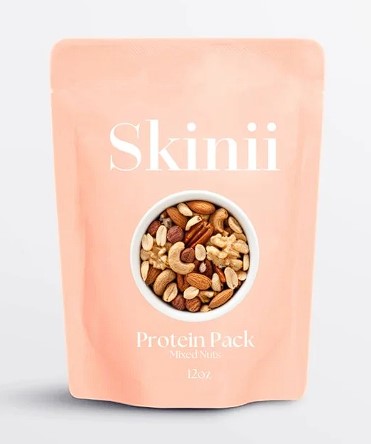
The advantage of keeping options like mixed nuts available is convenience. When a more nutritious snack is already within reach, it can be easier to avoid automatically grabbing a highly processed alternative.
As with any food, portion size matters. Nuts are nutrient-dense and relatively calorie-dense, so enjoying an appropriate portion can be more practical than eating directly from a large package.
Rethink Sugary Drinks
One of the simplest diet hacks is also one of the easiest to overlook: rethink what you drink.
A person may carefully consider their meals while drinking soda, sweetened coffee, energy drinks, sweet tea, or other sugary beverages throughout the day. Because liquids can be consumed quickly, it can be easy to overlook how much added sugar is coming from drinks.
The CDC identifies sugary beverages as one of the major sources of added sugar in the diet.
Water is an obvious everyday choice, but unsweetened tea and coffee can also fit into many healthy eating patterns. If you enjoy flavored beverages, gradually reducing the sweetness can make the transition easier.
You do not necessarily have to eliminate every sweet drink forever. The goal is to avoid making high-sugar beverages an automatic part of every meal.
Be Careful With “Detox” Culture
The wellness industry frequently promotes detoxes and cleanses as a way to reset the body after eating poorly. This can make healthy eating seem like something that needs to be periodically repaired.
A better approach is to focus on your everyday habits.
Your body already has systems responsible for processing and eliminating waste. Instead of repeatedly relying on restrictive cleanses, focus on consistent nutrition, adequate hydration, physical activity, sleep, and a varied diet.
If a product promises dramatic results from a short-term cleanse while requiring extreme food restriction, it is worth asking whether the product is solving a real nutritional problem or simply selling a temporary solution.
Rethink Extreme Diet Rules
Another wellness habit worth reconsidering is the belief that a healthy diet has to follow a strict set of rules.
No carbohydrates. No eating after a certain hour. No fruit. No fats. Only smoothies. Only protein. Completely eliminate your favorite foods.
Rules like these can make dieting feel unnecessarily complicated.
Different eating patterns may work for different people, and certain diets may be medically appropriate for specific conditions. But for general wellness, the foundation remains variety, balance, moderation, and adequate nutrition.
The WHO emphasizes that the exact composition of a healthy diet can vary according to individual characteristics, lifestyle, culture, and locally available foods.
Instead of searching for a universal “perfect diet,” consider what eating pattern you can realistically maintain.
Watch Out for Portion Distortion
Even nutritious foods can contribute more calories than intended when portions become much larger than necessary.
This does not mean you need to weigh every ingredient or obsess over every calorie. It simply means becoming more aware of how much you are eating.
Packaged foods can make this difficult because the amount in a package is not always the same as the serving size listed on the label. The CDC specifically recommends checking serving sizes when using nutrition labels.
A simple strategy is to serve snacks into a bowl or plate instead of eating directly from the package. This creates a visual boundary and makes it easier to recognize how much you have eaten.
Add More Instead of Only Taking Things Away
One of the biggest mistakes people make when cleaning up their diet is focusing entirely on what they need to remove.
Instead, think about what you can add.
Add vegetables to lunch. Add fruit to breakfast. Add beans or lentils to a meal. Add whole grains. Add protein. Add nuts or seeds to appropriate meals and snacks. Add water throughout the day.
This approach can make healthy eating feel less restrictive because you are building a more satisfying diet rather than simply removing foods.
Fiber is another nutrient worth paying attention to. The CDC identifies fruits, vegetables, whole grains, legumes, nuts, and seeds as useful sources of dietary fiber.
Rethink the “All or Nothing” Mindset
A healthy diet does not have to be perfect every day.
If you eat pizza on Friday night, that does not mean your entire week of healthy choices has been wasted. If you have dessert at a celebration, there is no reason to “start over” the next morning.
The all-or-nothing mindset can create an unhealthy cycle of restriction followed by overeating.
A more sustainable approach is to think about your diet as a pattern. One meal rarely defines your health. What you consistently eat over weeks and months matters much more.
This mindset also allows room for birthdays, holidays, restaurants, travel, and spontaneous meals with friends.
Clean Up Your Wellness Routine, Too
Diet is only one part of wellness. Your daily habits surrounding food can also affect how sustainable your lifestyle becomes.
Eating while distracted, constantly snacking because food is available, skipping meals and becoming extremely hungry later, eating quickly, or relying on food as your primary response to stress are all habits worth examining.
Mindful eating does not have to mean turning every meal into a meditation session. It can simply mean slowing down enough to notice what you are eating and whether you are still hungry.
Creating a calmer eating environment can also make meals more enjoyable.
Build a Better Grocery List
Cleaning up your diet becomes easier when your kitchen supports the habits you want.
Before grocery shopping, think about the meals you are realistically going to prepare. Choose a combination of protein sources, vegetables, fruits, whole grains, and convenient snacks that fit your lifestyle.
Then look at the foods you buy repeatedly. If something consistently sits untouched in the pantry, stop buying it simply because it is marketed as a wellness product.
Likewise, if you constantly reach for a particular unhealthy snack when you are hungry, consider keeping a more nutritious alternative nearby.
Healthy eating is often less about willpower and more about creating an environment that makes better choices easier.
The Products Worth Rethinking
When cleaning up your diet, do not automatically toss every product that does not look perfectly healthy.
Instead, examine how often you use it and what role it plays in your overall eating pattern.
A protein bar may be useful on a busy day but unnecessary when you already have a balanced meal available. A flavored yogurt may be convenient but could contain more added sugar than expected. A packaged snack may be fine occasionally but not ideal as your primary daily food.
The same principle applies to wellness supplements and specialty products. A product should complement a healthy lifestyle rather than create the illusion that it can replace nutritious food, movement, sleep, or professional care.
What to Toss and What to Keep
A kitchen clean-up can be useful when approached without extremes.
Consider limiting products that are consistently high in added sugar, sodium, or unhealthy fats, particularly when they provide little nutritional value. Check labels before automatically deciding that something belongs in the trash.
Keep convenient foods that genuinely help you maintain a balanced diet. Fresh or frozen produce, whole grains, protein-rich foods, legumes, nuts, seeds, and other nutrient-dense options can make healthy eating easier.
And keep some flexibility. A healthy kitchen does not have to be completely free of treats.
A More Sustainable Approach to Wellness
The biggest diet hack may be realizing that wellness does not require constant optimization.
You do not need a new cleanse every month, a new superfood every week, or a completely different diet every time social media introduces another trend.
Instead, focus on the basics. Eat a variety of nutritious foods. Limit excessive added sugar and highly processed foods. Watch portions. Drink plenty of water. Stay physically active. Get enough sleep. Pay attention to how your habits affect your energy and overall well-being.
The WHO describes a healthy diet through the principles of adequacy, balance, moderation, and diversity. Those principles are much more sustainable than chasing every new wellness trend.
Final Thoughts on Cleaning Up Your Diet
Cleaning up your diet is not about creating a perfect list of foods you can and cannot eat. It is about becoming more aware of what you consume and making choices that support your long-term wellness.
Start by looking at the foods and drinks you have most often. Check labels instead of relying on front-of-package marketing. Reduce excessive added sugar and highly processed foods. Add more fruits, vegetables, whole grains, legumes, protein sources, and nutrient-dense snacks such as nuts. Rethink extreme diets and quick-fix wellness products.
Most importantly, remember that healthy eating is a long-term pattern, not a temporary challenge.
The next time you clean out your pantry, do more than ask what you should toss. Ask what you should make more room for. That simple shift can turn a restrictive diet clean-up into a more realistic approach to everyday wellness.
Sources and Further Reading
World Health Organization, “Healthy Diet”
Centers for Disease Control and Prevention, “Healthy Eating Tips”
Centers for Disease Control and Prevention, “Nutrition Facts Label and Your Health”
Centers for Disease Control and Prevention, “Get the Facts: Added Sugars”